
 eng
eng
 English
PVC Edge Banding Adhesive Guide for Cabinet Production
PVC edge banding adhesive plays an important role in cabinet and furniture production. Even if the edge banding tape has the right color, thickness, and finish, poor bonding can still cause open edges, weak adhesion, glue lines, and quality complaints after production.
For cabinet manufacturers, furniture factories, and distributors, adhesive performance is not just a technical detail. It directly affects production stability, finished cabinet quality, and long-term customer satisfaction.
When sourcing PVC edge banding tape for bulk orders, buyers should also understand how adhesive compatibility, machine settings, board material, and edge banding quality work together.
What Is PVC Edge Banding Adhesive?
PVC edge banding adhesive refers to the glue system used to bond PVC edge banding tape to panel edges. It is commonly used in the production of kitchen cabinets, wardrobes, office furniture, bathroom cabinets, shelves, and commercial furniture.
In most cabinet factories, hot melt glue is widely used for edge banding production. The adhesive is heated, applied to the panel or edge banding, and then pressed together by the edge banding machine.
A good adhesive system should help achieve:
- Stable bonding strength
- Clean glue lines
- Smooth machine processing
- Better edge durability
- Reduced edge lifting
- Consistent production quality
For B2B cabinet production, adhesive performance should be evaluated together with edge banding material, panel type, and machine settings.
Why Adhesive Matters in Cabinet Edge Banding
Cabinet edge banding needs to stay bonded during cutting, trimming, polishing, packaging, transport, and daily use. If the adhesive does not work properly, several problems may appear.
Common problems include:
- Edge lifting
- Visible glue lines
- Weak bonding
- Uneven edge appearance
- Gaps between panel and edge banding
- Poor trimming results
- Customer complaints after installation
For cabinet manufacturers, these issues can increase rework, delay delivery, and affect project reputation.
That is why adhesive compatibility is an important part of cabinet edge banding selection.
Hot melt glue for edge banding is commonly used because it supports fast processing and efficient production. Different factories may use different adhesive systems depending on product positioning and machine requirements.
EVA Hot Melt Glue
EVA hot melt glue is widely used in standard cabinet and furniture production. It is practical, cost-effective, and suitable for many common edge banding applications.
It is often used for:
- Standard kitchen cabinets
- Wardrobes
- Office furniture
- Shelving
- General furniture panels
EVA is a common choice when buyers need stable production at a practical cost.
PUR Hot Melt Glue
PUR hot melt glue is often used when stronger bonding, better moisture resistance, or higher-end performance is required. It is commonly selected for premium furniture, bathroom cabinets, and projects with higher durability expectations.
PUR may be suitable for:
- Premium cabinet production
- Bathroom cabinets
- High-humidity environments
- Commercial furniture
- Projects requiring stronger bonding
Compared with EVA, PUR usually requires more careful processing and machine control.
Pre-Glued Edge Banding
Pre-glued edge banding has adhesive already applied to the back. It is more common in small-scale, repair, DIY, or manual applications.
For industrial cabinet manufacturers, pre-glued edge banding is usually not the main option for bulk production. Automated factories normally use edge banding tape with machine-applied hot-melt adhesive.
Recommend Products
-
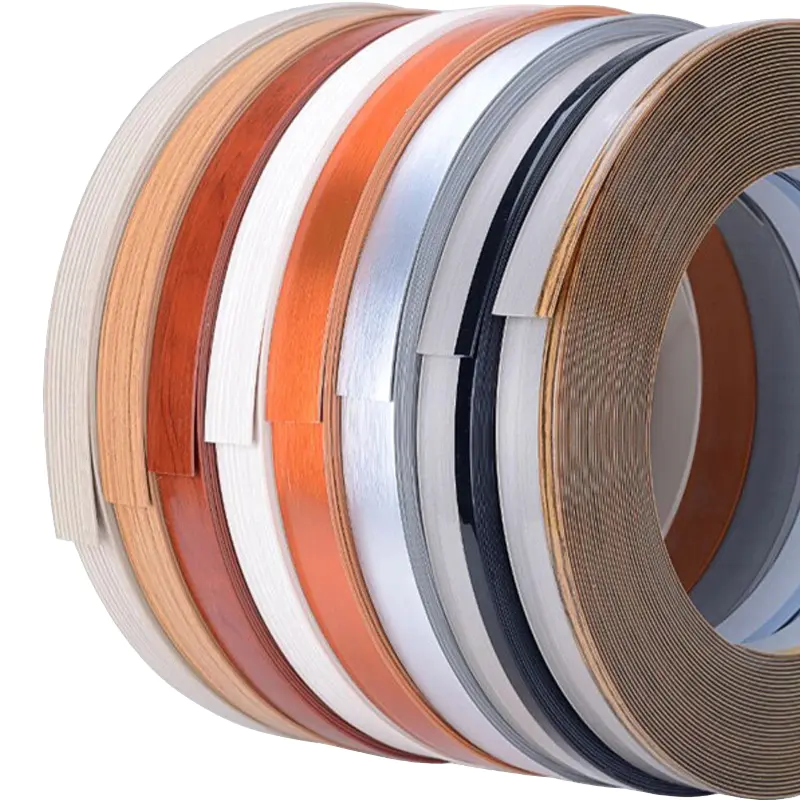
Wood Grain 3D Acrylic Edge Banding for Furniture Decoration
-
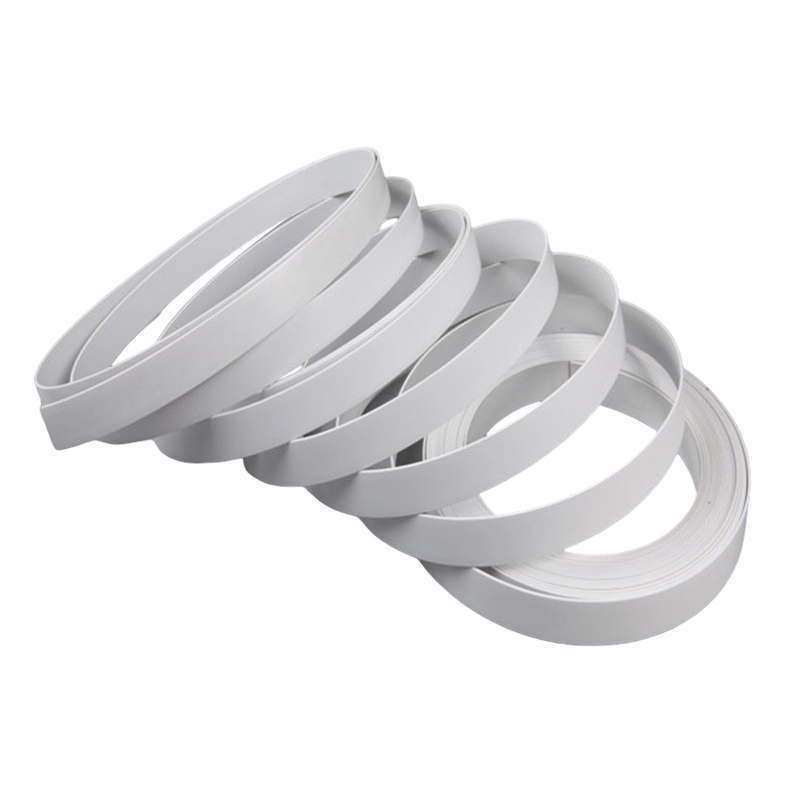
1*22mm White Soft Touch PVC Edge Banding
-
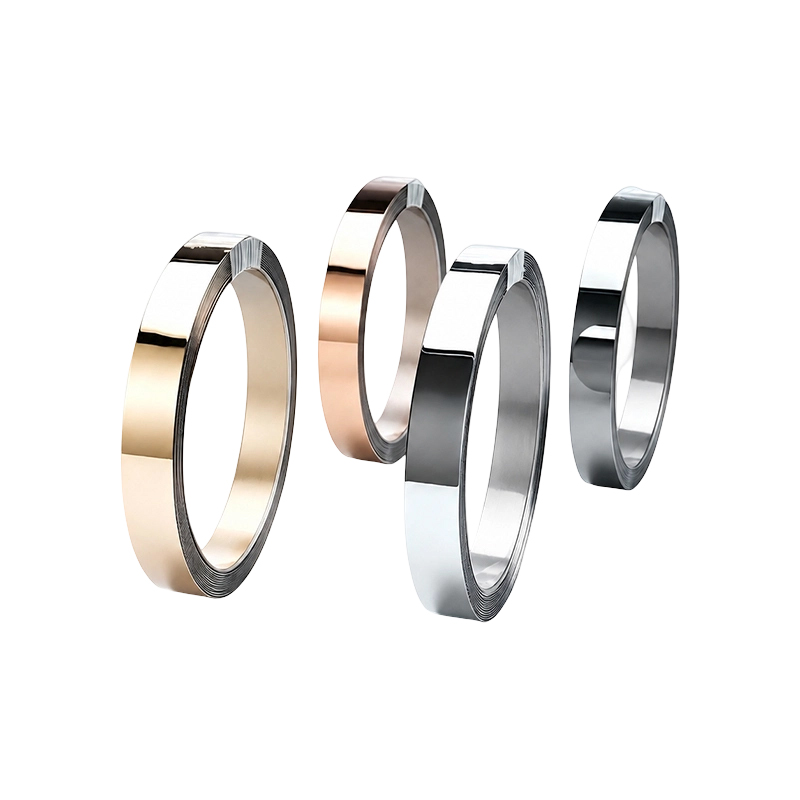
Mirror Finish Edge Banding with PET Film for Luxury Furniture and Cabinet Design
-
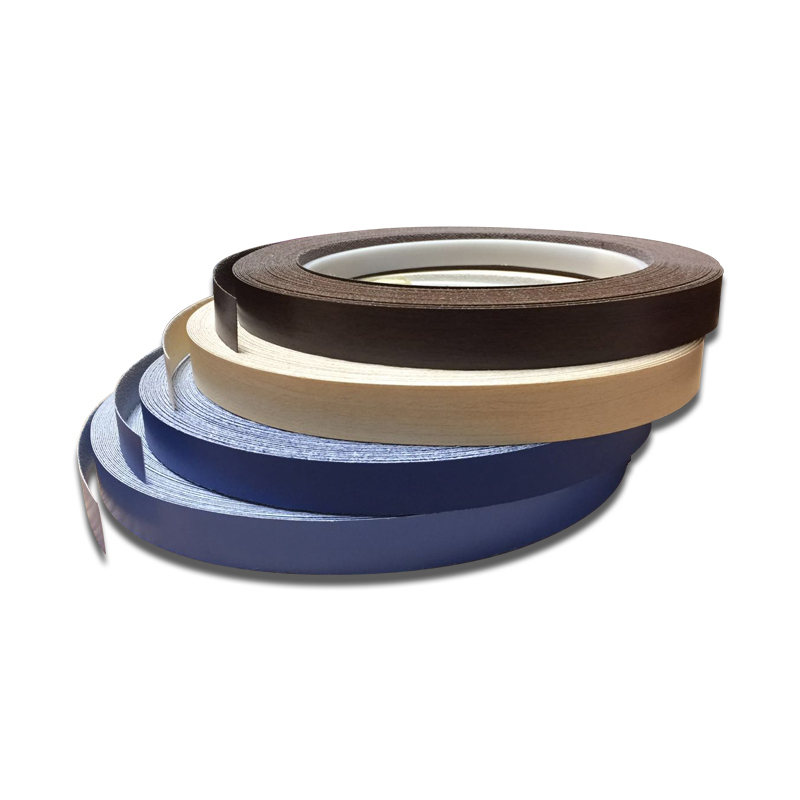
Flexible Soft Melamine Edge Banding for Curved Furniture Applications
-
Embossed Wood Texture ABS Edge Banding with Realistic Surface Effect
-
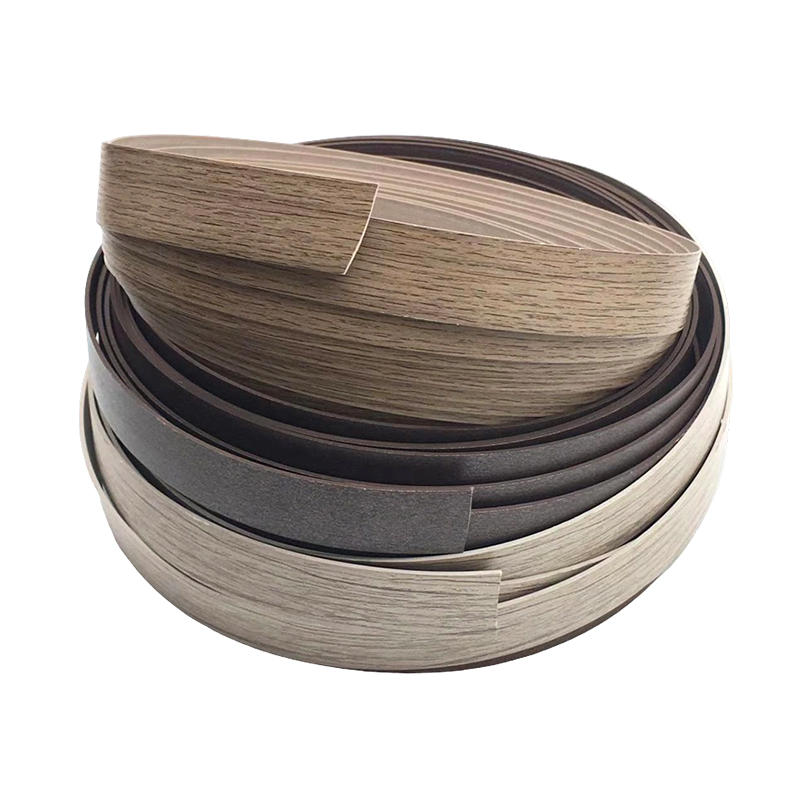
Custom Soft Touch PVC Edge Banding for Premium Furniture Brands
-
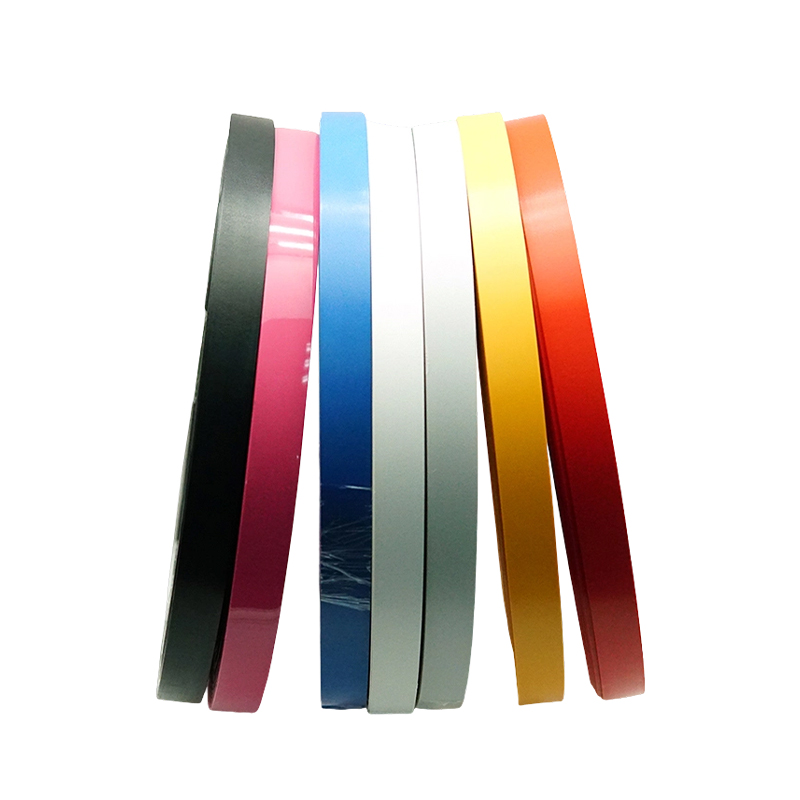
Chrome Effect Edge Banding for Modern Furniture and Decorative Panels
-
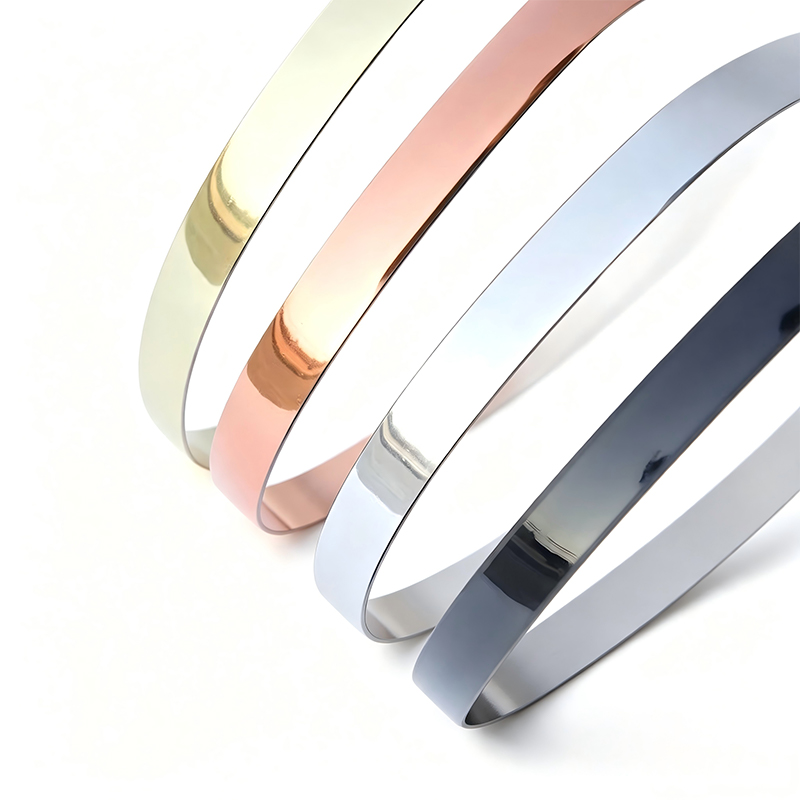
Ready-to-Use Pre-Glued Melamine Edge Banding for MDF
-
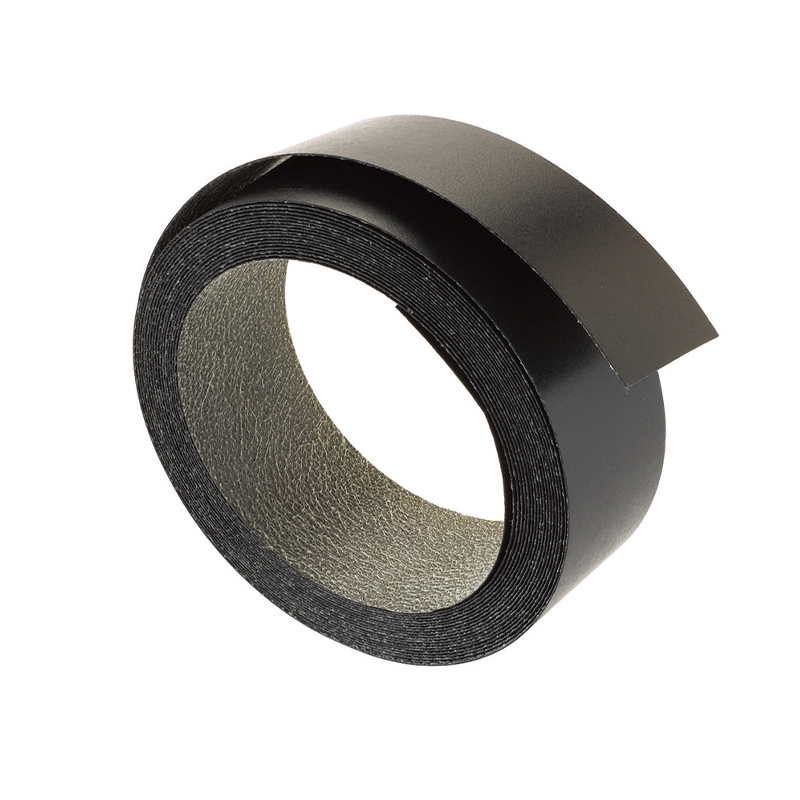
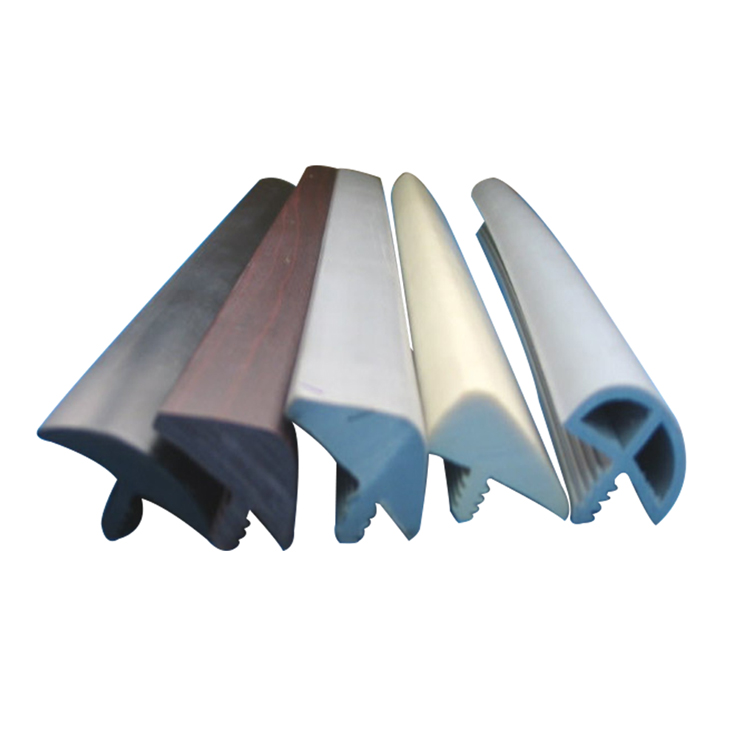
Custom PVC Extrusion Profiles for OEM Furniture Manufacturers and Industrial Applications
-
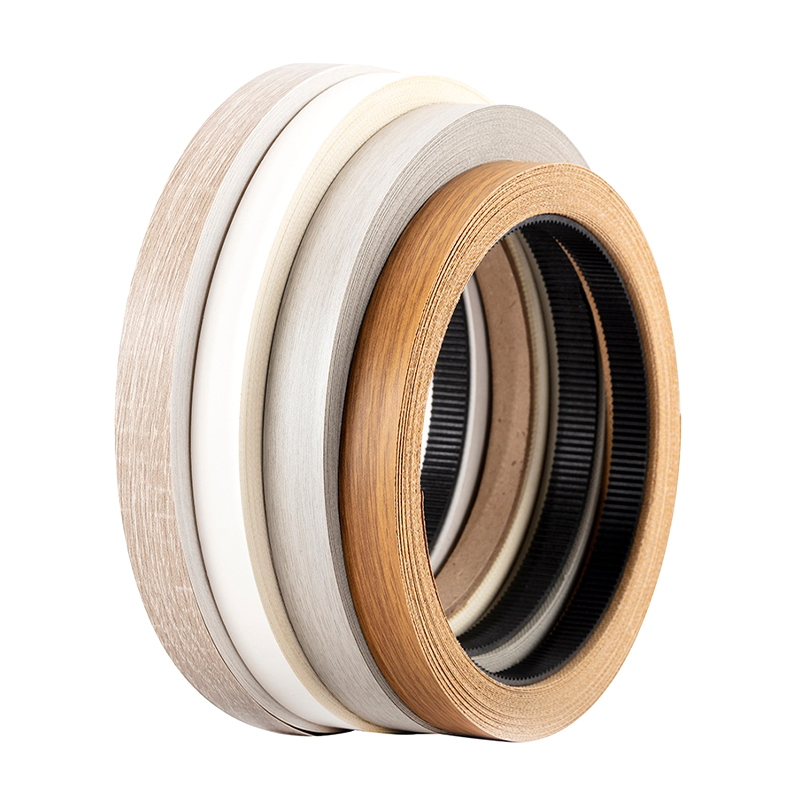
Hot Melt Adhesive Pre-Glued Melamine Edge Banding for Furniture Manufacturing
-
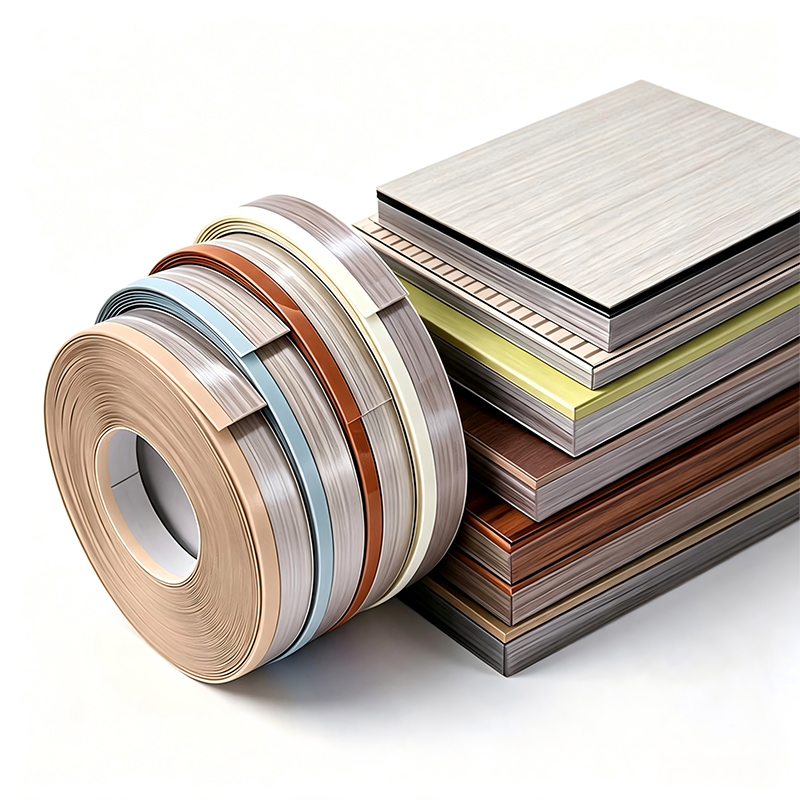
Wood Texture Acrylic Edge Banding with 3D Surface Effect
-
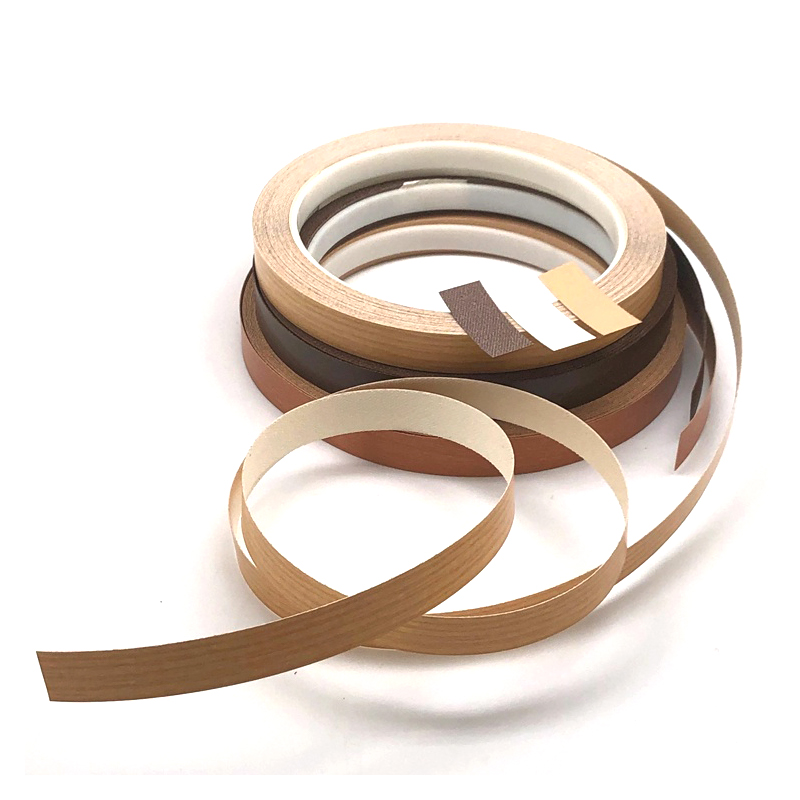
Wood Grain Pre-Glued Melamine Edge Banding for Cabinet and Panel Furniture
SUNTUNG
GROUP
Product List
Contact Info
-
 Tel.+86 150 0088 0641
 -
 Whatsapp
 -
 E-mailjoyce@suntunggroup.com
 -
 Head Office AddressB-1218, Fengpu Av. 99th, Fengxian District, Shanghai, China
Get A Free Quote
Copyright © 2026 Shanghai Suntung Industry Co., Ltd. All Rights Reserved.
