
 eng
 English
 Español
 русский
 عربى

PVC Edge Banding Made Easy: How to Choose It, Apply It, and Avoid Common Mistakes
Content
- 1 What Is PVC Edge Banding and Why Is It So Popular?
- 2 PVC Edge Banding vs. ABS, Melamine, and Wood Veneer
- 3 How to Choose the Right PVC Edge Banding Tape
- 4 How to Apply PVC Edge Banding Step by Step
- 5 Common PVC Edge Banding Problems and How to Fix Them
- 6 Tips for Storing and Caring for PVC Edge Banding
- 7 Final Thoughts on Buying and Using PVC Edge Banding
If you have ever seen a cabinet with raw, chipped, or swollen board edges, you already know why PVC edge banding matters. This thin strip of plastic seals the exposed sides of particleboard, MDF, and plywood, giving furniture a clean look and keeping moisture out. Whether you build kitchen cabinets, office desks, or wardrobes, knowing how to choose and apply PVC edge band properly can save you money and callbacks. This guide covers the practical details in plain language.
What Is PVC Edge Banding and Why Is It So Popular?
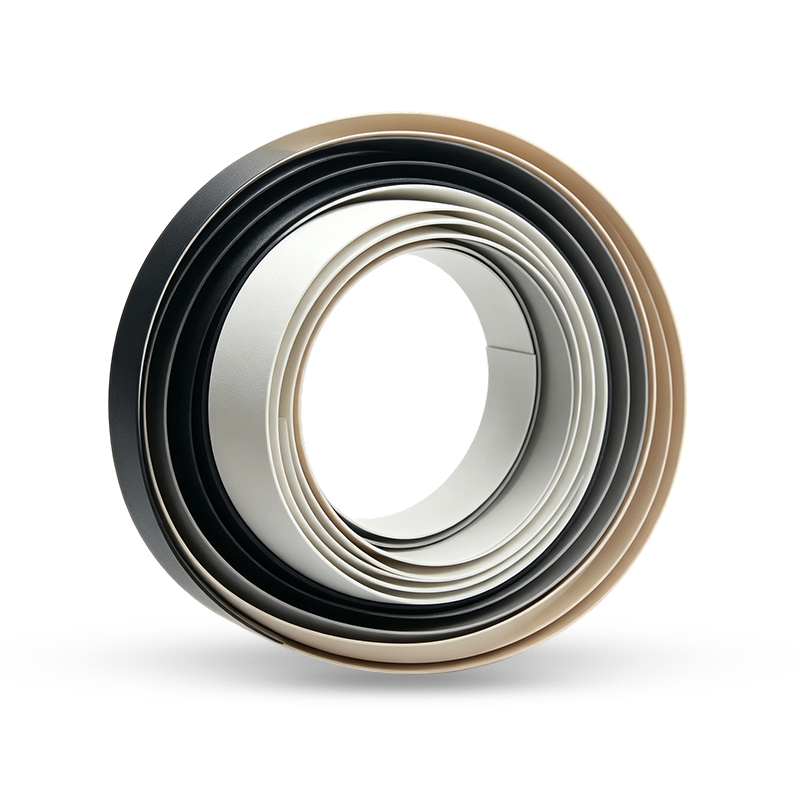
PVC edge banding, also called PVC edge tape, PVC edge trim, or PVC edgebanding strips, is made from polyvinyl chloride. It is sold in rolls and cut to length when installed. The back of the strip is usually treated or coated so hot-melt glue can grip it firmly. The front can be printed or embossed to match almost any laminate, melamine, or wood-grain panel.
It is popular for four main reasons: it costs less than most alternatives, it is flexible enough to wrap around curves, it comes in hundreds of colors and textures, and it resists impact and moisture well. For workshops that produce furniture in volume, PVC edge banding for furniture is often the default choice because it runs smoothly on automatic edge banding machines.
PVC Edge Banding vs. ABS, Melamine, and Wood Veneer
Before buying, it helps to see how PVC edge band compares with other common edge materials. The table below gives a quick overview.
| Material | Cost | Impact Resistance | Flexibility | Best Use |
| PVC | Low to medium | High | High | Cabinets, desks, general furniture |
| ABS | Medium | High | High | Projects that need chlorine-free material |
| Melamine | Low | Low | Low | Straight edges, budget DIY work |
| Wood veneer | Medium to high | Low | Medium | Real-wood look on veneered panels |
In short, PVC is the practical all-rounder. If a project has strict environmental or recycling requirements, ABS is the usual alternative, and it behaves almost the same on the machine.
How to Choose the Right PVC Edge Banding Tape
Match the Thickness to the Job
Thickness is the first decision. Thin strips look neat but offer little protection, while thick strips take bumps better but are harder to bend around tight curves. Common options are listed below.
| Thickness | Typical Application |
| 0.4 to 0.5 mm | Side panels, inner shelves, low-traffic surfaces |
| 1 mm | Cabinet doors, wardrobe panels |
| 2 mm | Desk tops, tables, front edges that take daily contact |
| 3 mm | Heavy-use counters, commercial furniture, rounded-edge looks |
Pick the Right Width
The strip should be slightly wider than the board thickness so you can trim the overhang flush. For example, 19 mm, 22 mm, and 28 mm are common widths for 16 mm, 18 mm, and 25 mm boards. A 2 to 3 mm allowance on each side is a good rule of thumb.
Check Color, Texture, and Gloss
Always match PVC edge banding strips to the panel under the lighting where the furniture will be used. Ask for a physical sample, because screen colors can be off. Texture matters as much as color: a woodgrain panel with a smooth, flat strip looks obviously mismatched, even if the shade is close.
Look at Quality Signs Before Ordering
- Consistent thickness along the entire roll, with no wavy or stretched sections
- A clean, evenly applied primer on the back so the glue bonds well
- No strong chemical smell, which can indicate low-grade raw material
- Color that stays the same from one batch to the next, so reorders match
- Strips that bend without whitening or cracking at the fold
How to Apply PVC Edge Banding Step by Step
Using an Edge Banding Machine
On a machine, the process follows a set order: the panel edge is cleaned or pre-milled, hot-melt adhesive is applied, the PVC edge band is pressed on, the ends are cut, the overhang is trimmed, and the edge is scraped and buffed. Glue temperature and feed speed are the two settings that affect results most. Many shops run EVA hot-melt glue at roughly 180 to 200°C, but always follow the adhesive maker's data sheet. Cold panels reduce bonding, so keep the workshop and the boards at a comfortable room temperature.
Applying by Hand with Pre-Glued Tape
For small jobs, pre-glued PVC edge banding tape can be applied with a household iron. Follow these steps for a clean result:
- Sand the board edge lightly and wipe away all dust
- Cut the strip about 2 cm longer than the edge
- Set the iron to medium or cotton heat with no steam, and move it slowly along the strip
- Press firmly with a block or roller right behind the iron while the glue is still warm
- Trim the excess with an edge trimmer or sharp utility knife, then lightly sand with fine paper held at a slight angle
Hand application works well for repairs and small projects, but for long runs or furniture that will see heavy use, machine-applied edges with hot-melt glue are stronger and more consistent.
Common PVC Edge Banding Problems and How to Fix Them
Most defects come from a few predictable causes. The table below helps you find the problem quickly.
| Problem | Likely Cause | Fix |
| Edge peels off | Glue too cold, dusty edge, or low pressure | Raise glue temperature, clean the edge, adjust the pressure roller |
| Visible glue line | Too much glue or poor-quality adhesive | Reduce glue amount, use color-matched or low-visibility glue |
| Chipped board corners | Dull pre-milling or trimming cutters | Replace or sharpen cutters regularly |
| Gaps at the end joint | Inaccurate end cutting | Recalibrate the end trimming unit and check the cut angle |
| Strip looks wavy or stretched | Too much tension while feeding | Reduce feed tension and let the roll relax before use |
Tips for Storing and Caring for PVC Edge Banding
Good storage keeps PVC edge band flexible and easy to run. Keep rolls in a dry space away from direct sunlight and heat sources, because high temperatures can warp the strip and strong sunlight can fade colors. Store rolls flat or upright in their original packaging, and avoid stacking heavy items on top. Before using a cold roll, let it sit at workshop temperature for a few hours so it does not crack when bending around corners.
Once the furniture is finished, cleaning is simple. Wipe the edges with a soft damp cloth and mild soap. Avoid harsh solvents such as acetone, which can dull or soften the surface of the strip. If a small section gets damaged, you can usually cut it out and replace it with a new piece of matching PVC edge trim instead of redoing the whole panel.
Final Thoughts on Buying and Using PVC Edge Banding
PVC edge banding gives you a durable, good-looking, and affordable finish for almost any panel furniture. Start by matching the thickness and width to your board and usage, check the color and texture against the panel, and test a sample on a scrap piece before running a full order. Then keep your machine settings, glue, and cutters in good condition. With these basics covered, your edges will stay tight, clean, and professional for years.
Search
Categories
Recent Posts
Recommend Products
-
Custom Pre-glued Wood Grain PVC Edge Banding for OEM Furniture Brands
-
Ready-to-Use Solid Color PVC Edge Banding for Furniture Panels
-
Custom High Gloss PVC Edge Banding with OEM Surface Development
-
Custom Wood Grain PVC Edge Banding with Color Development Service
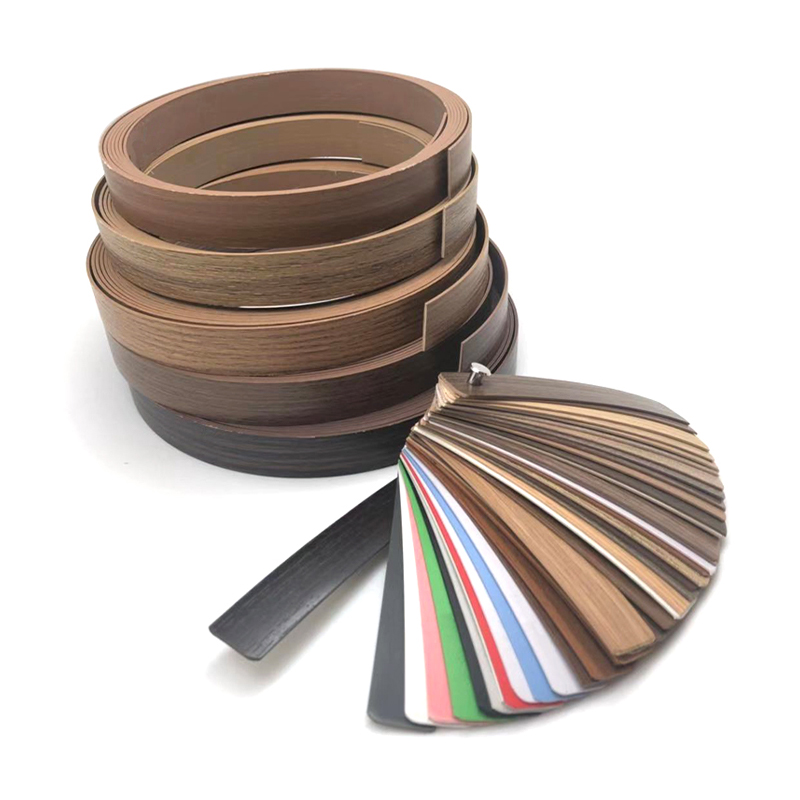
-
Custom Soft Touch PVC Edge Banding for Premium Furniture Brands
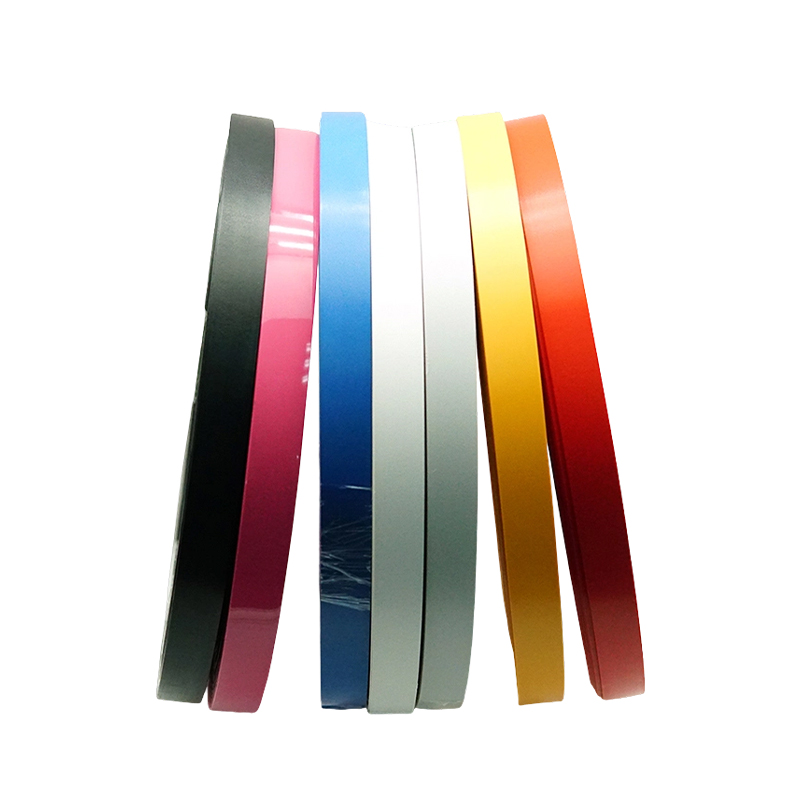
-
Pre-glued High Gloss PVC Edge Banding for Decorative Furniture Panels
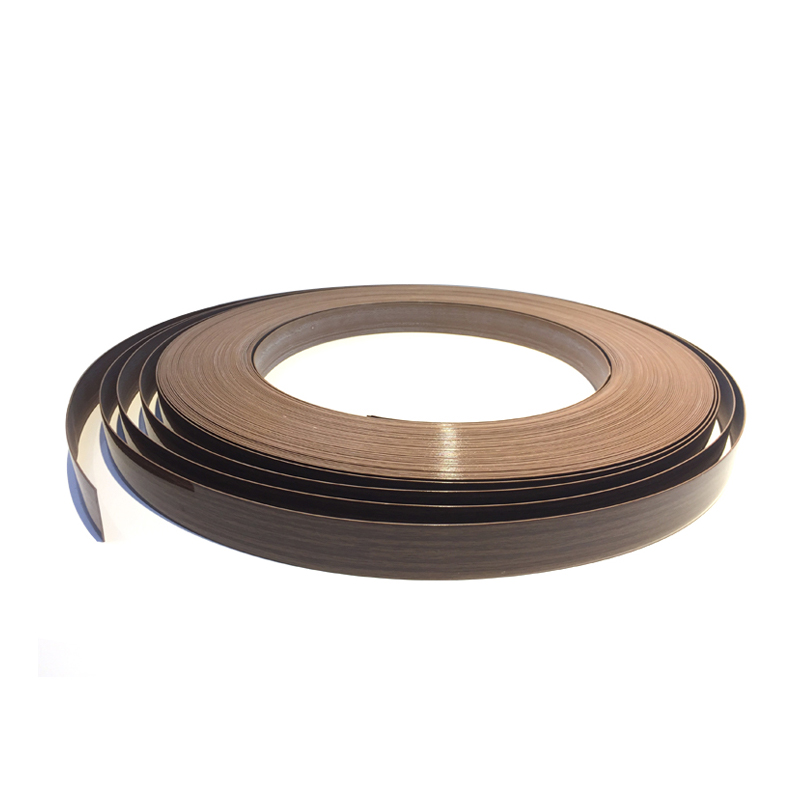
SUNTUNG
GROUP
Product List
Contact Info
-
 Tel.+86 150 0088 0641
-
 Whatsapp
-
 E-mailjoyce@suntunggroup.com
-
 Head Office AddressB-1218, Fengpu Av. 99th, Fengxian District, Shanghai, China
Get A Free Quote
Copyright © 2026 Shanghai Suntung Industry Co., Ltd. All Rights Reserved.
 Edge Banding Suppliers OEM/ODM Edge Banding Manufacturer