

 eng
 English
 Español
 русский
 عربى
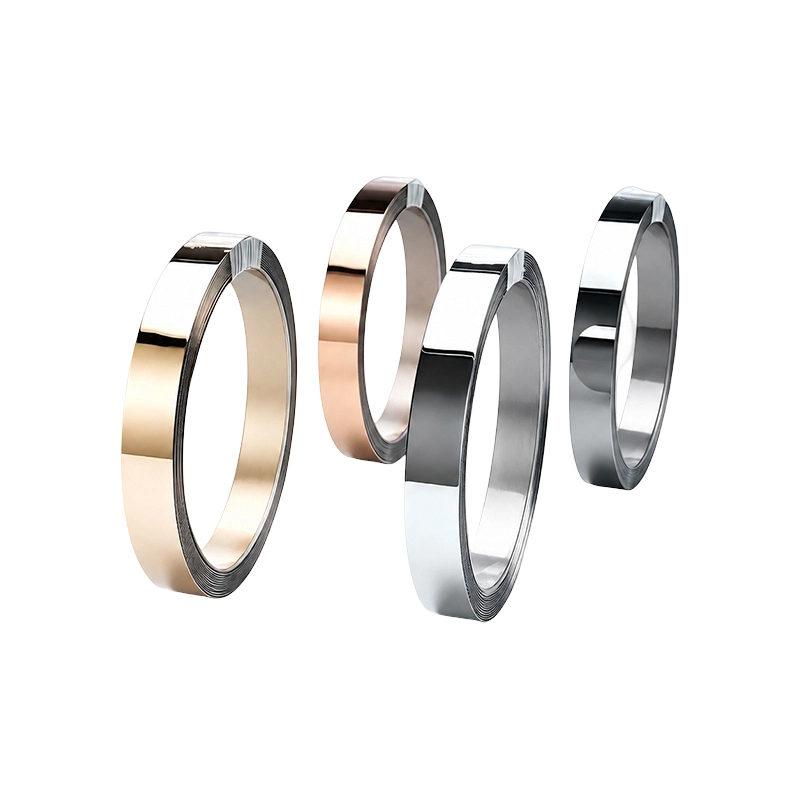
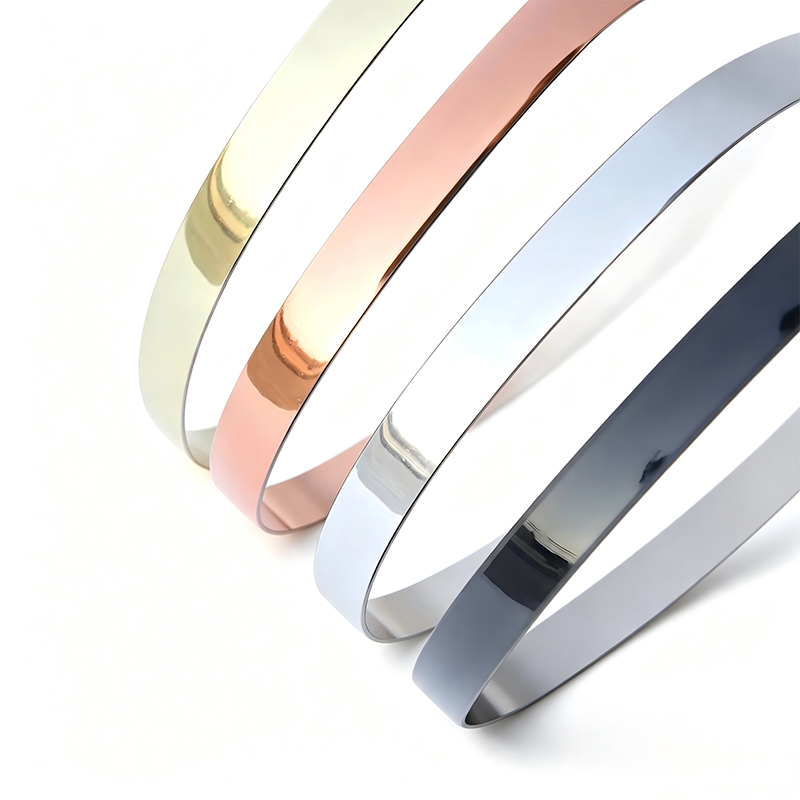
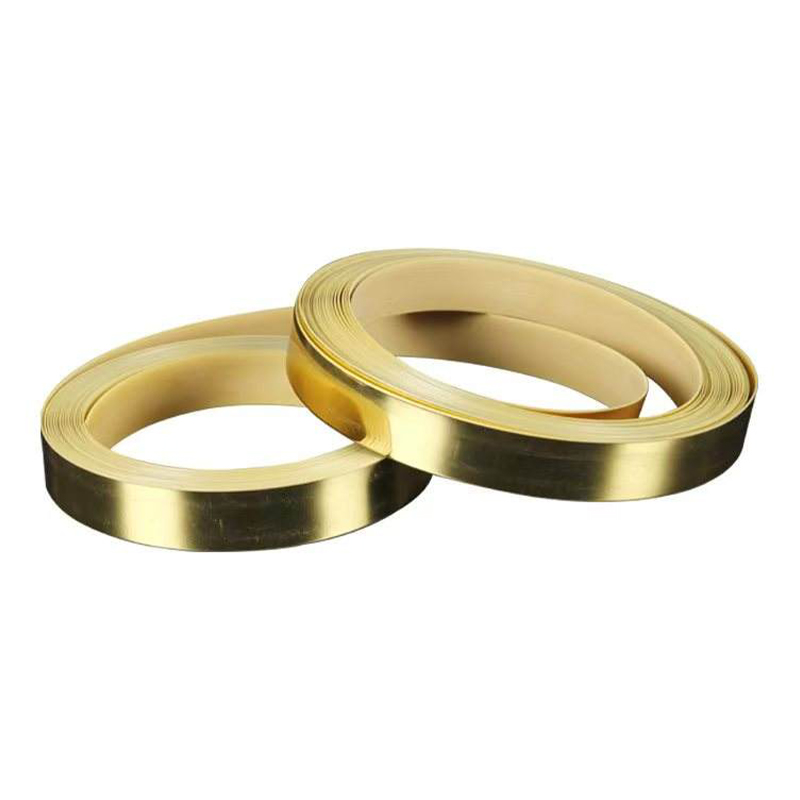



Suntung is a Mirror Effect Edge Banding with PET Film manufacturer supplying furniture factories, panel processors and distributors that build reflective surfaces into cabinets, wardrobes, counters and retail fixtures. A highly reflective PET film face is bonded to a machinable core, so a mirror-metallic edge runs on standard edge banding equipment instead of solid metal trim.
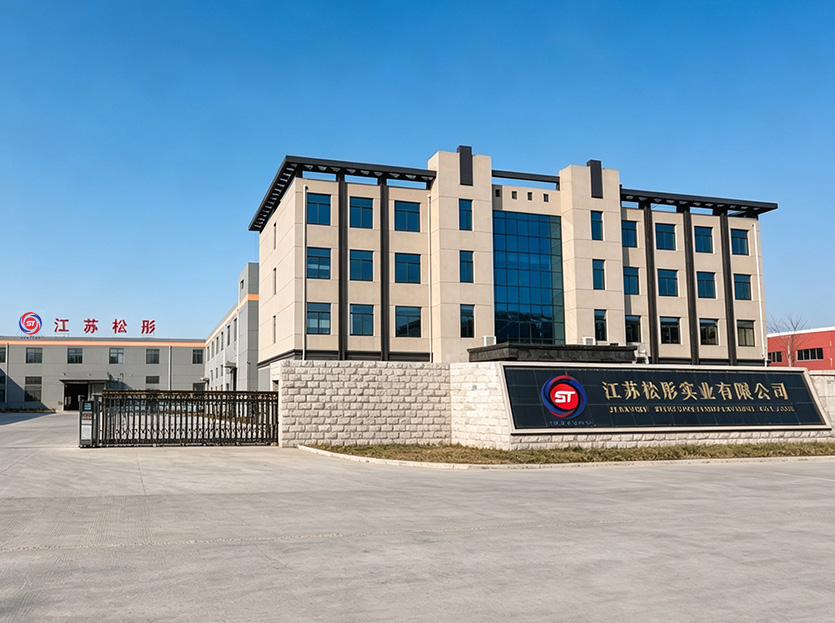
The range sits inside our Metallic Edge Banding with PET Film family, alongside Brushed Effect Edge Banding with PET Film for lower-sheen metallic surfaces. Edge banding has been our core business since 2005, produced from a 21,500 m² base in Taizhou, Jiangsu, and shipped from China to more than 90 countries.
Where Mirror PET Edge Banding Fits
Reflective banding is used where the edge is meant to read as part of the face rather than as a border. Held against a gloss PET, acrylic or lacquered panel, the film carries the reflective plane around the corner without a visible change of material.
- Wardrobes and casegoods: door and side-panel edges on high-gloss faced board, including full-height runs seen under raking light.
- Reception counters and retail fixtures: fascia and shelf edges viewed at eye level or under display lighting.
- Kitchen and bathroom fronts: fronts where a sealed, wipe-clean edge line is part of the specification.
- Accent detailing: a mirror-metallic line against matte, soft-touch or wood-grain faces.
Two conditions shape the specification. Tight radii and deep profiles need a thinner, more flexible build proven against a physical sample, and a mirror face exposes every variation in trim quality, so line setup carries as much weight as the roll itself.
How the Reflective Surface Is Built
A primer layer sits between the PET film and the core, applied automatically across the full roll width so adhesion behaviour stays constant from the first meter to the last. Even primer coverage is what keeps the band seated through trimming, scraping and buffing at production feed speeds.
Against aluminium or stainless steel edging, the PET film construction is lighter, easier to process and more cost-efficient while keeping the decorative performance. The surface is engineered for gloss retention, scratch resistance and long-lasting color stability, and our formulations resist whitening at the trimmed edge, which shows most clearly on dark and reflective faces.
Reflective film banding is not a replacement for polished metal on heavy-wear industrial edges. It is the practical choice where the metallic appearance matters, the component is furniture-grade, and the line needs to run at normal banding speed.
Range and Configuration Options
Each order is built around the panel, the machine and the accepted master sample. The table below shows the parameters we settle before production.
| Configuration area | What we produce or confirm | Effect on the finished component |
|---|---|---|
| Reflective tone | Chrome-type and bright silver metallic film, or a tone matched to an approved panel sample | Sets the metal character of the edge against the panel face |
| Gloss level | Mirror film gloss coordinated to the panel face at the sample stage | Controls how visible the joint line is under directional light |
| Thickness | Confirmed per application and machine capability | Affects rigidity, radius performance and trim clearance |
| Width | Cut to the panel thickness plus the overhang allowance used on your line | Determines flush trim quality and material waste |
| Roll length and winding | Set to machine feed, handling and export packing requirements | Fewer coil changes and less surface handling damage |
| Core and flexibility | Higher-PVC formulation balanced against film brittleness for shaped parts | Bending behaviour, cracking risk and trimming finish |
| Bonding system | Primer and adhesion behaviour matched to hot-melt adhesive and line temperature | Peel strength, sealing integrity and delamination risk |
| Color matching | Similarity of 95% or better against the approved master sample | Sets the acceptance threshold for batch approval |
Panel Matching: Gloss and Color Coordination
On a mirror surface, tone and gloss have to be judged together. A band that matches the panel color but sits at a different gloss level reads as a lighter or darker stripe as the viewer moves. We verify tone, texture, decorative finish and gloss against your approved master sample through color matching and again in production.
- Send a physical panel offcut or a banding sample; screen or printed references cannot carry gloss direction.
- For gloss PET and acrylic faces, we compare the band and panel side by side under the lighting used at final inspection.
- Where the panel face is wood-grain or matte, mirror banding is normally treated as a deliberate accent rather than a match.
High-gloss PVC and acrylic families cover the non-metallic side of the same design language; High Glossy PVC Edge Banding and 3D Acrylic Edge Banding are frequently specified on projects that use mirror PET for feature elements only.
Running Mirror PET Banding on the Line
Mirror film behaves predictably on automatic banding machines when the tooling is clean and the setup is stable. The variables that matter most are glue temperature, pressure roller condition, fresh cutter edges and the buffing stage.
Verify glue pot temperature against the adhesive data sheet, check cutter and scraper condition, and confirm the band is fed with the film face clear of the pressure shoe.
Watch the trim line for chipping and the scraper for drag marks; both show up immediately on a reflective face. Keep the buffing station light rather than aggressive.
Pre-shipment machine tests simulate production conditions to verify adhesive strength, sealing integrity and processing behaviour before a roll leaves the factory. For shaped components, we evaluate the required radius against a sample of the actual thickness rather than quoting a generic minimum.
Quality Assurance and Acceptance Evidence
Production is controlled from incoming material inspection through mixing, extrusion, calendering, printing, primer application and final packing. For reflective film, the checks that matter are surface flatness, film adhesion, gloss consistency and dimensional accuracy across the roll.
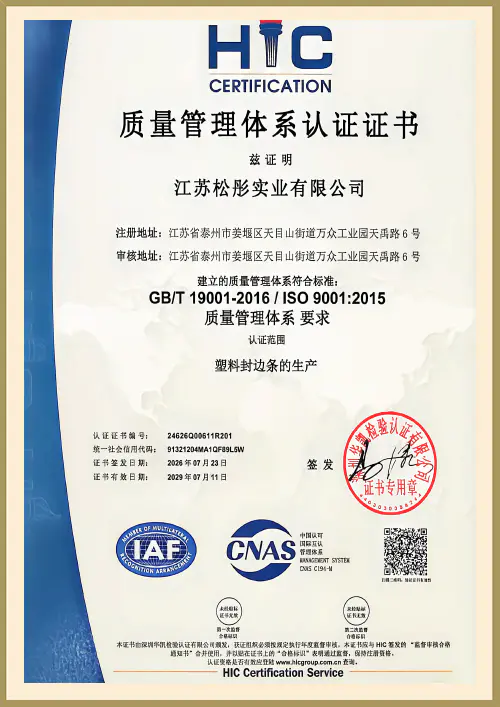
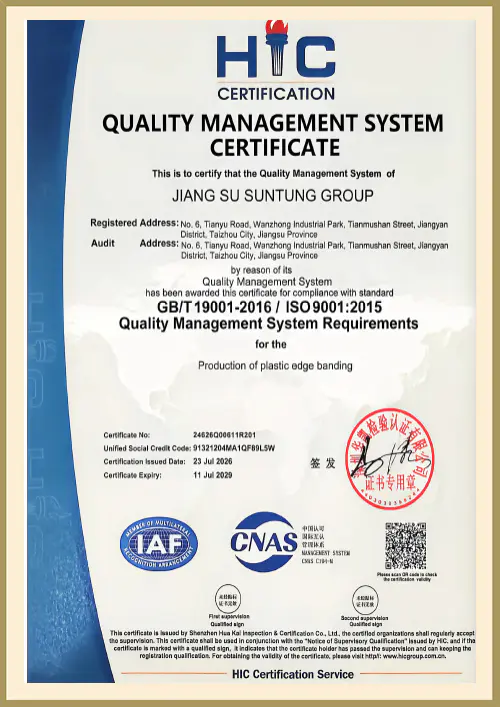
- System: ISO 9001:2015 certified manufacturing, with EU RoHS compliance documentation for the material set.
- Batch verification: color tone, gloss, width tolerance, surface condition and packaging are checked against the approved sample before release.
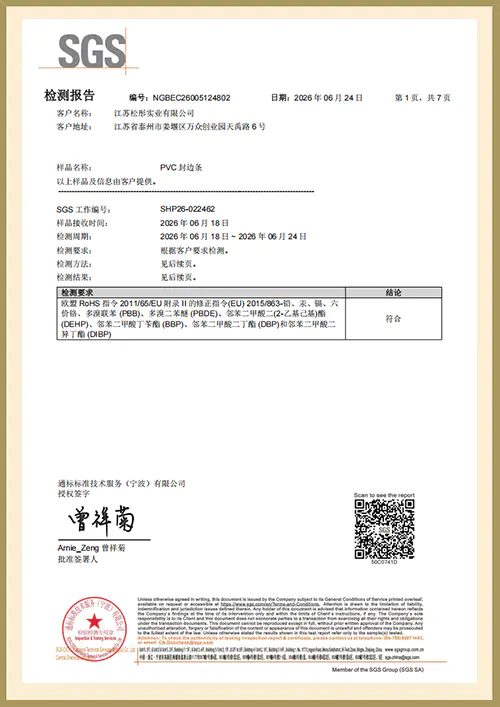
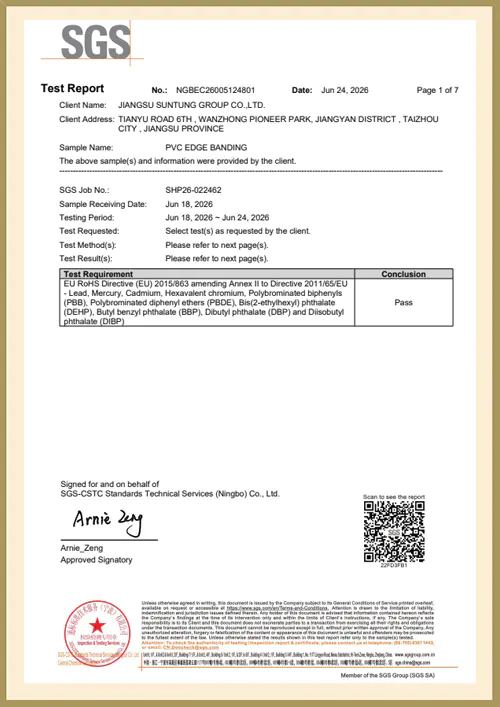
- Test reports: SGS reports and relevant compliance documents are issued with orders where the project requires them.
- Acceptance basis: agreed master sample, stated width and thickness tolerance, and the bonding performance confirmed on a trial run.
Custom Development, Capacity and Delivery Scope
Our R&D and engineering team develops mirror film banding against drawings and samples, covering film tone, gloss, width, thickness, roll length and packing format. OEM and ODM work is supported by 23 automatic lines running at a monthly output of 25 million meters, with container volumes of around 30 x 20GP per month on mainstream specifications.
Goods ship from the Port of Shanghai with an on-time delivery rate above 95%. Rolls are wound, labelled and packed to the specification agreed for the order, and mixed container loads can combine mirror PET banding with PVC, ABS, acrylic, melamine or veneer banding, profiles and adhesives from the same production group.
Information We Use to Configure Your Solution
A quotation that holds up in production starts from the working point rather than a catalogue reference. These are the inputs our engineers work from.
- Panel face: substrate, decor, gloss level and brand reference, plus a physical sample or offcut.
- Component: panel thickness, straight or shaped edges, minimum radius and visible face orientation.
- Line data: machine model, glue type and pot temperature, feed speed, and whether pre-gluing is required.
- Quantities: roll length, width, monthly draw and container loading pattern.
- Compliance: destination market, documentation package and any panel-brand approval process.
Frequently Asked Questions
Which panels does mirror effect edge banding with PET film bond to?
It is built for furniture-grade panels: MDF, particleboard and plywood faced with gloss PET, acrylic, melamine or lacquered surfaces, and it also runs on solid-color boards where a metallic accent is intended. Bond strength depends on the hot-melt adhesive and line temperature, so we confirm both against your machine before the first production order.
Can you match a specific chrome or silver tone from our panel supplier?
Yes. Send a panel offcut or an approved banding sample and we develop the film tone and gloss against it, targeting a color similarity of 95% or better. The approved master sample then becomes the reference for every subsequent batch.
What thicknesses and widths do you produce?
Widths are cut to your panel thickness plus the overhang your line uses, and thickness is set by the application and the radius the component needs. Because reflective film behaves differently at each thickness, we confirm both values on a trial sample rather than from a fixed list.
Will the mirror surface whiten or chip at the trimmed edge?
Our formulations use a higher PVC content to resist whitening after trimming, and we test bending and trimming performance to reduce cracking. On a reflective face, cutter condition and scraper pressure are the deciding factors, so we set the trial run around your tooling.
What capacity and documentation come with an order?
Production runs at 25 million meters per month across 23 automatic lines, with shipment from Shanghai. Orders are supplied with the agreed compliance package, including ISO 9001:2015 certification, RoHS documentation and SGS test reports where the project requires them.


