

 eng
 English
 Español
 русский
 عربى
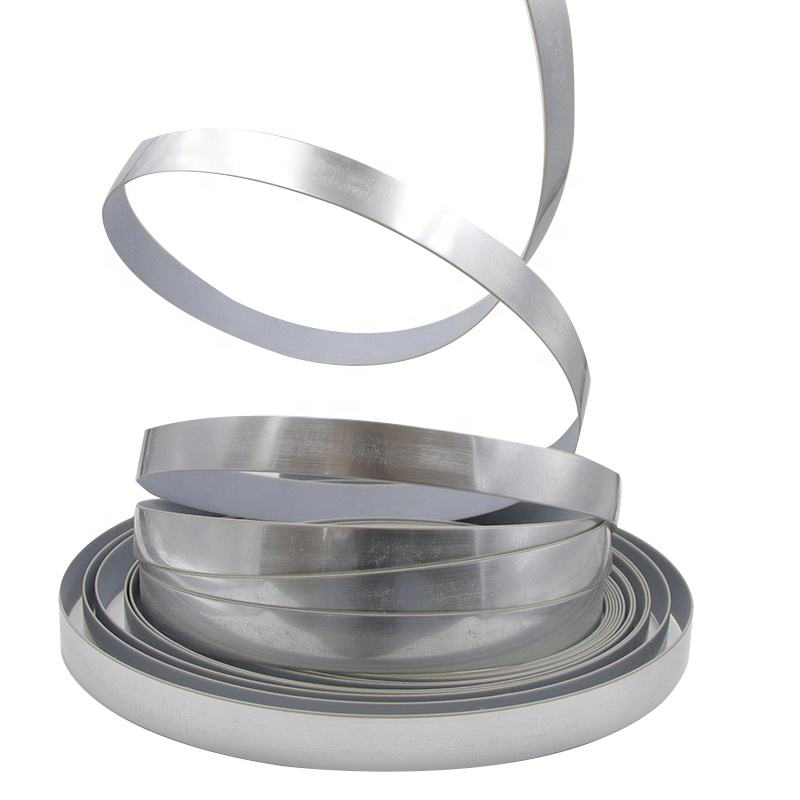
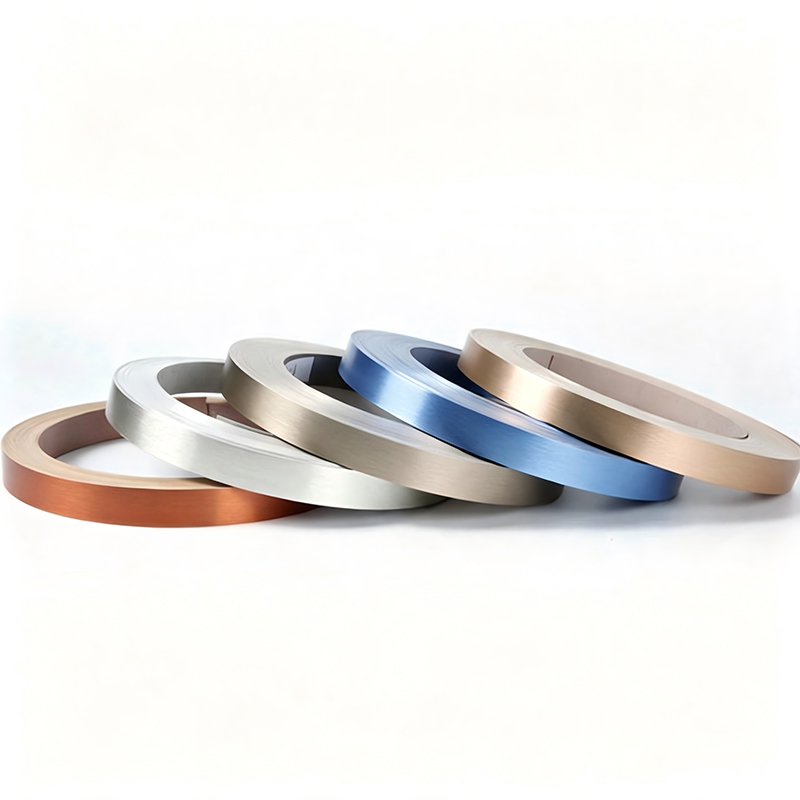
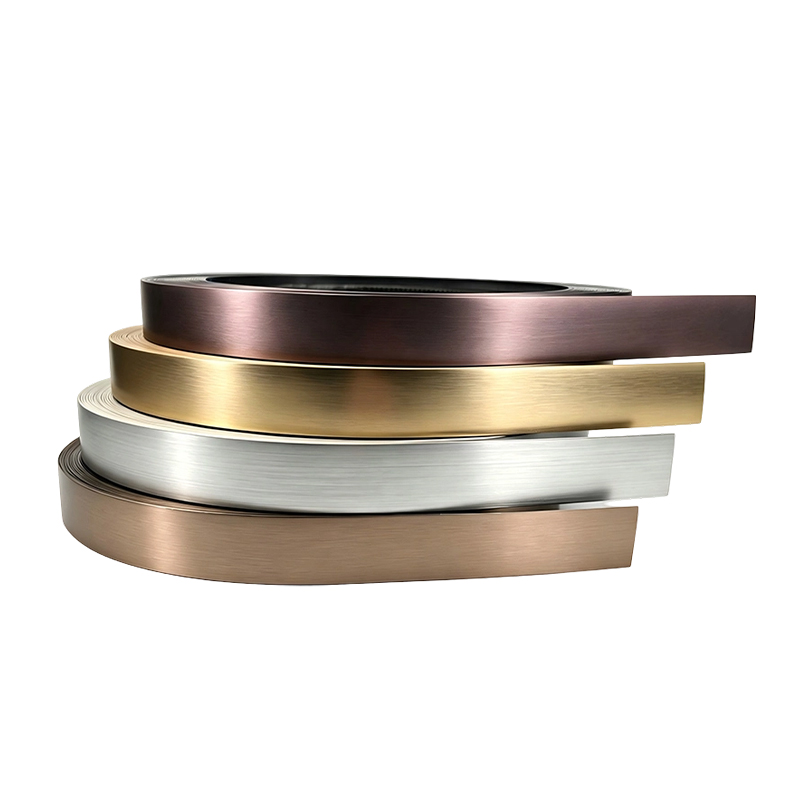
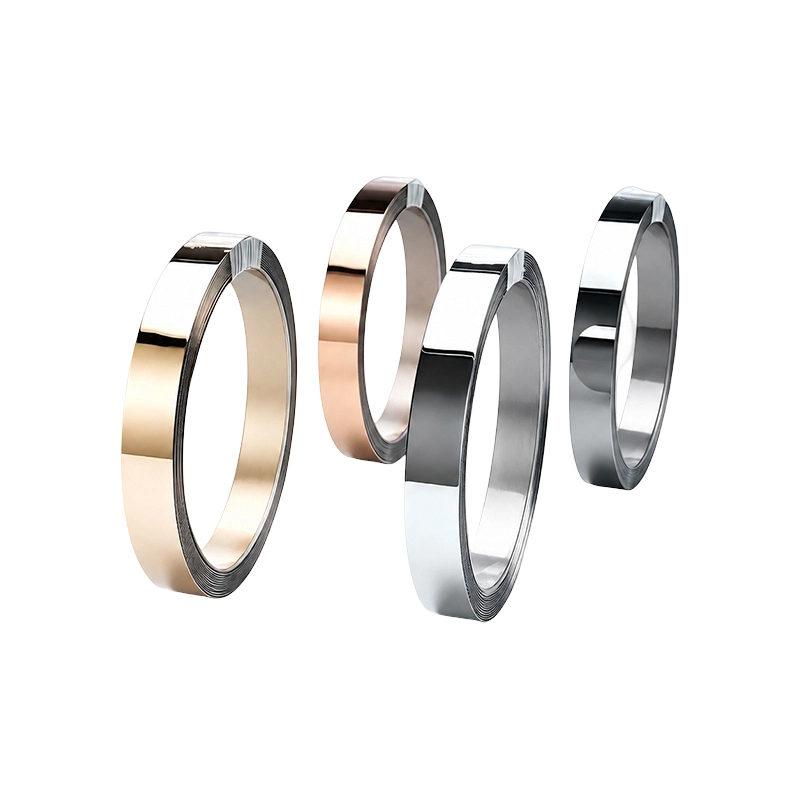
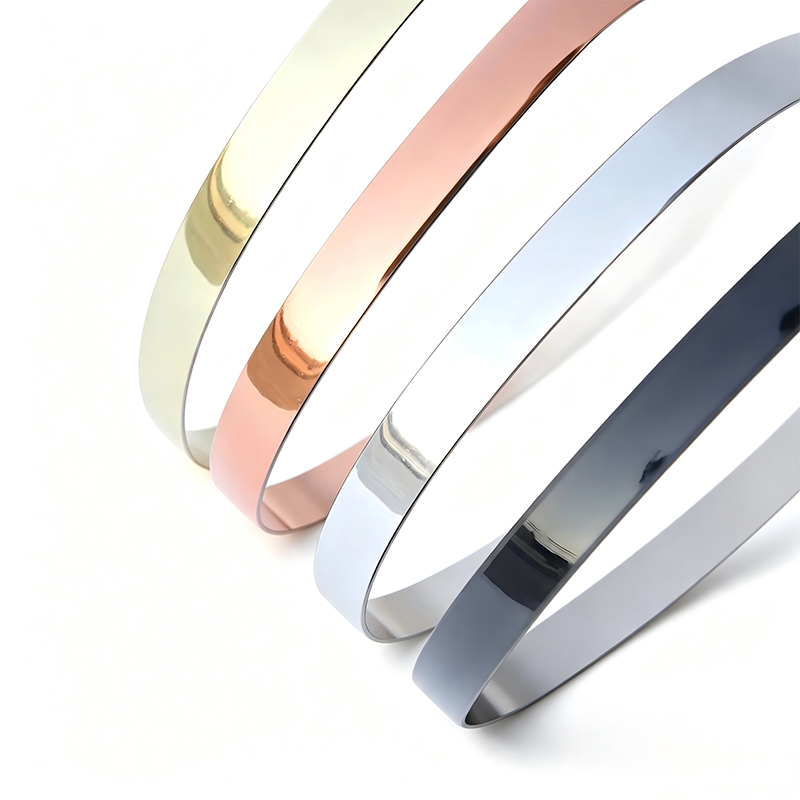
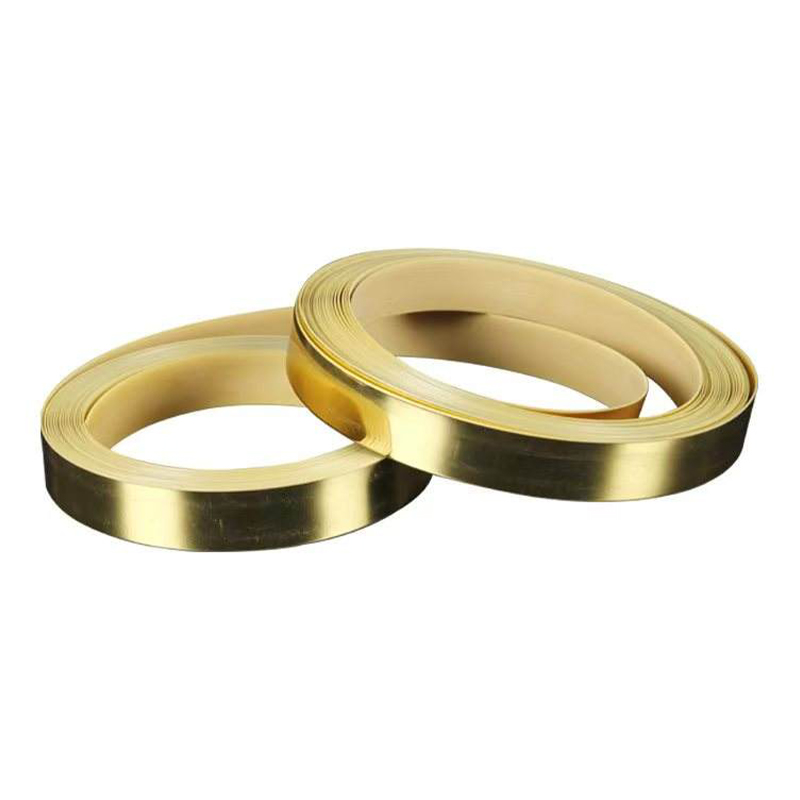
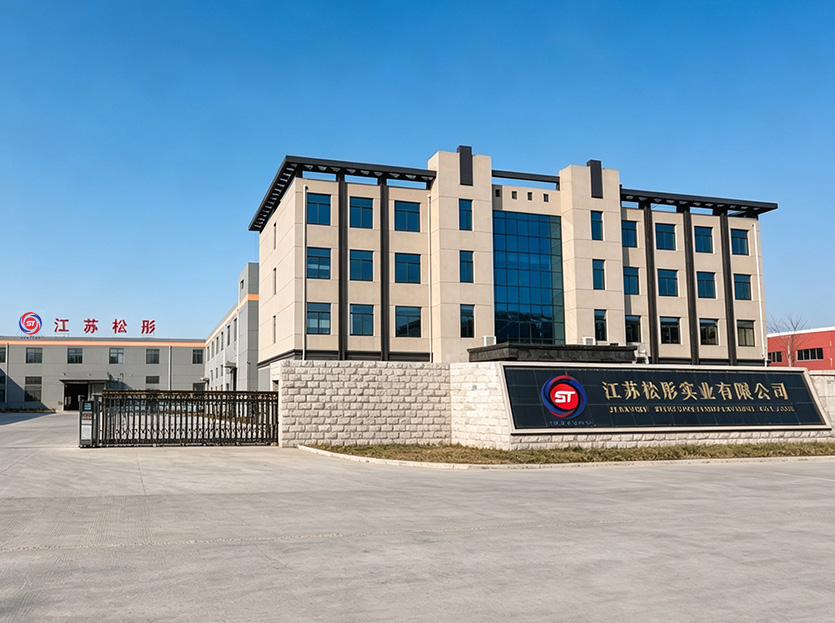



Suntung is a Metallic Edge Banding with PET Film manufacturer supplying metallised decorative edging on a polymer carrier. Our 21,500 m² production base in Taizhou, Jiangsu runs 23 automatic lines at a monthly capacity of 25 million meters, and this range serves furniture factories, panel processors, joinery operations and distributors that want a brushed or mirror metal edge line without the weight, cost and tool wear of solid metal strip.
The product fits luxury wardrobes, kitchen and bathroom cabinetry, office furniture, retail fixtures, reception counters and hospitality interiors — applications where a reflective or directional edge has to stay colour-consistent with the panel face and survive handling, cleaning and daily contact.
What the PET Film Layer Contributes
An unprotected metallic decorative layer marks, oxidises and dulls. In this construction the metallised effect is bonded to a polymer carrier and covered by a PET film that becomes the actual working surface of the edge. The visual result is metal; the behaviour on the line and through years of service is closer to a technical polymer band.
- Surface protection — the film carries the wear load, holding gloss, grain and reflectivity through trimming, packing, transport and cleaning.
- Handling tolerance — lower fingerprint and smudge pickup than an unlacquered foil surface, which matters on high-touch door and drawer edges.
- Moisture and colour stability — the metallic effect stays consistent in humid kitchens, bathrooms and utility areas.
- Clean machining — controlled gauge and a uniform primer coating support stable bonding and a crisp trim on automatic edge banders.
Two Surface Families for Different Interiors
The range is organised by surface character, because brushed and mirror finishes answer different design intents and ask for different handling discipline on the shop floor.
Brushed Effect
Our Brushed Effect Edge Banding with PET Film reproduces the directional grain of brushed aluminium and stainless steel. The fine grain scatters light and masks light scuffing far better than a mirror surface, which makes it the lower-risk specification for long runs of doors, drawer fronts and open shelving in minimalist, industrial and contemporary schemes.
Mirror Effect
Our Mirror Effect Edge Banding with PET Film delivers a high-reflectivity chrome and polished-steel appearance for accent work: reception counters, retail displays, handleless cabinet fronts and feature panels. A reflective edge shows handling marks and adhesive squeeze-out more readily, so we supply it with protective interleaf and agree trimming and cleaning routines with the line team before the first production batch.
Application split: brushed finishes suit programmes where the metallic line repeats across whole doors and panels; mirror finishes work best as a controlled accent where reflectivity itself is the design point.
Panel, Substrate and Machine Fit
Metallic PET edge banding bonds to MDF, plywood, particleboard and decorative panels with conventional hot melt adhesives. Real fit depends less on the decor than on board thickness, edge geometry and how the band is machined.
- Substrate: MDF and particleboard accept hot melt readily; plywood edges need a stable, well-filled edge so the band does not telegraph voids.
- Width and thickness match: the band is slit to board thickness with a trimming allowance, and gauge is chosen against the edge profile rather than by habit.
- Radius limits: a metallised PET band is stiffer than soft PVC. Tight radii and profiled edges call for a thinner gauge; we confirm the minimum radius from the profile drawing before quoting.
- Adhesive: EVA for general interior work, PUR where moisture or heat exposure is higher. Primer uniformity is what determines bond consistency along the roll.
- Trimming and scraping: sharp tooling and correct rake keep the film edge clean — blunt cutters show up immediately as whitening or micro-chipping on a reflective surface.
- Handling stations: where mirror surfaces pass through manual handling, work-in-progress protection and clean gloves protect the finish as effectively as any machine setting.
Critical Specifications Confirmed at Quotation
Metallic effects shift noticeably with small changes in gauge, gloss and grain direction, so each order is defined against a written specification rather than a colour name alone.
| Configuration item | Why it matters on the line | What we agree before production |
|---|---|---|
| Surface effect | Sets reflectivity, grain direction and handling sensitivity | Panel reference or sample, gloss target, signed master swatch |
| Carrier and film construction | Governs stiffness, trim behaviour and bond strength | Carrier type, film grade and primer specification for the application |
| Thickness | Balances edge protection, radius capability and visual weight | Gauge selected against board thickness, edge profile and radius |
| Width and tolerance | Must match panel thickness with a workable trimming allowance | Slit width, tolerance band and inspection method per roll |
| Roll length and winding | Affects run-out, changeover frequency and machine uptime | Roll length, core diameter and winding direction |
| Adhesion system | Bond strength varies with substrate, glue type and feed rate | Primer specification plus EVA or PUR glue matched to your line, verified in machine tests |
| Colour and gloss | Has to sit with the panel decor under production lighting | Approved master sample and visual acceptance under an agreed light source |
| Packing format | Protects reflective surfaces through export logistics | Interleaf, carton grade, pallet pattern, labelling and container fill |
Quality Control and Acceptance Evidence
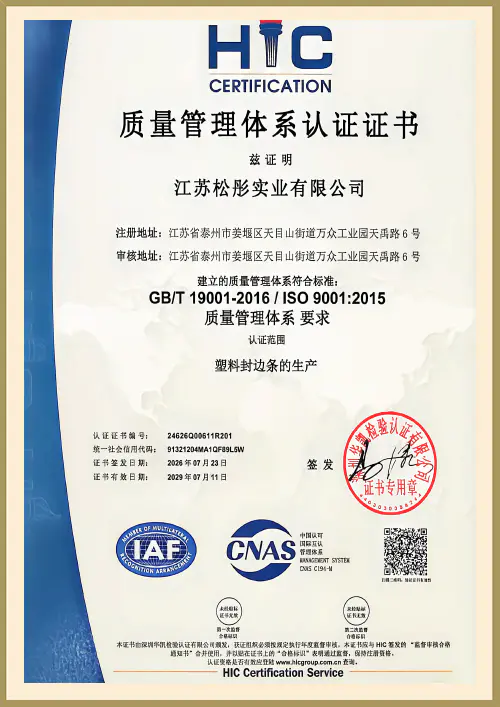
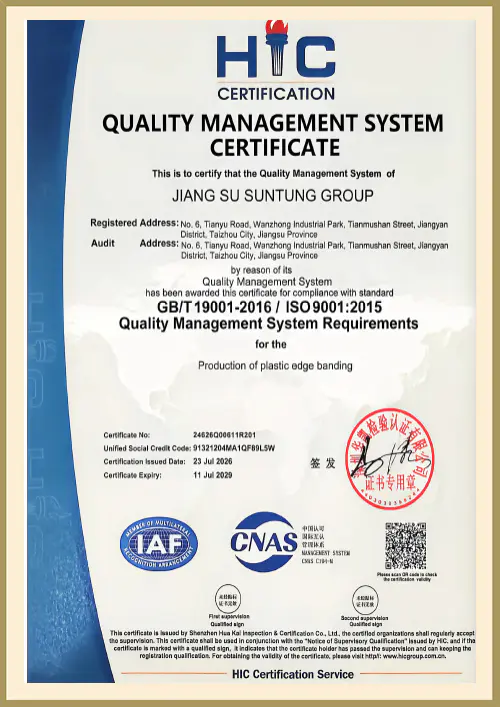
Manufacturing is certified to ISO 9001:2015 and products are made to EU RoHS requirements. Control runs from incoming raw material inspection through mixing, extrusion, calendering, slitting, printing, primer application and final packing.
- Colour tone, surface texture and gloss level are verified against the approved master sample, with colour matching similarity of 95% or better on matched decors.
- Primer is applied through automated glue application for an even layer, then checked in machine tests that simulate the customer's production conditions — bonding strength, sealing integrity and trimming performance.
- Surface inspection covers grain clarity, flatness and reflectivity uniformity on every batch.
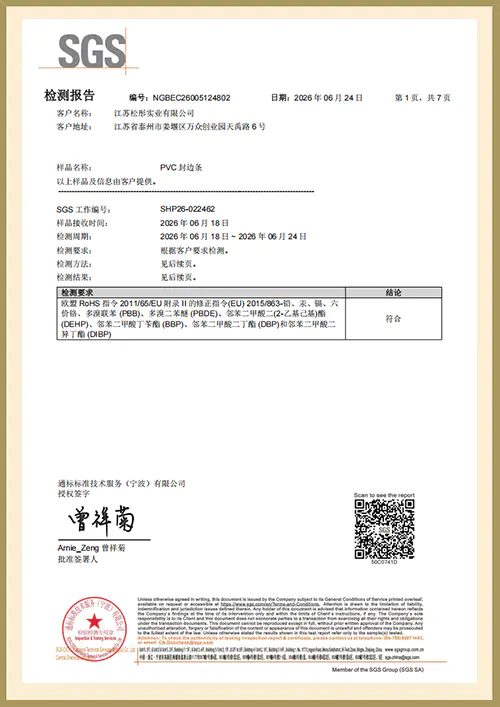
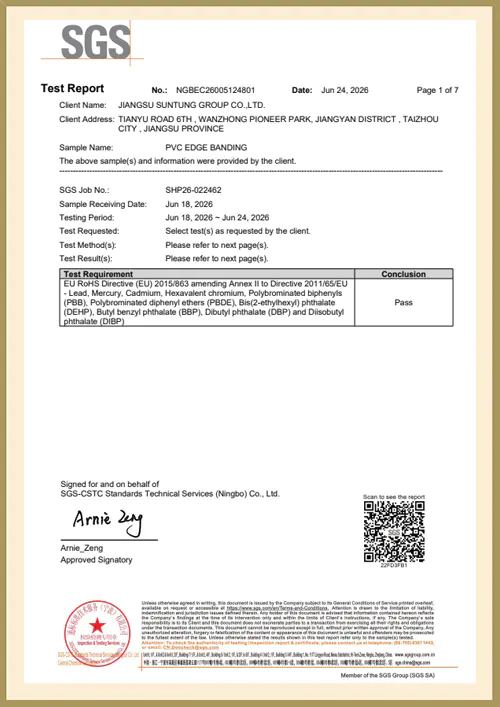
- Final pre-shipment inspection covers appearance, colour, dimensions, labelling and packaging integrity; SGS test reports and compliance documents are issued with an order on request.
Capacity, Packaging and Delivery Scope
Twenty-three automatic lines and monthly capacity of 25 million meters carry repeat programmes alongside custom runs, with loading capability of 30 × 20GP containers per month from the Port of Shanghai and stock held on mainstream colours and specifications.
Brushed and mirror surfaces are wound and packed to protect the finish: protective interleaf between windings where the surface demands it, export-grade cartons, pallet patterns set to the container plan, and labels carrying batch, gauge and colour reference so incoming inspection is straightforward.
Customisation and One-Stop Supply
Our engineering team develops metallic effects from drawings, panel samples and master swatches: colour tone, grain depth, gloss level, width, thickness and surface texture, under OEM and ODM programmes. Decor matching is carried out against the panel programmes our customers build with, including the major international board brands.
Metallic banding ships alongside our PVC Edge Banding range, PVC profiles, hot melt adhesives and screw caps, so a cabinetry project can be consolidated into one container and one set of shipping documents.
Information We Use to Configure Your Solution
A workable proposal needs the working point, not just a colour name. Our sales and engineering team builds the offer from these inputs:
- Panel decor reference — board brand and code, physical sample or offcut, and the gloss level to be matched.
- Board material and thickness, edge profile drawing, and any curved or radiused edges in the programme.
- Edge bander make and model, glue type, typical feed speed and trimming configuration.
- Required band thickness and width, with the tolerance expectation on width.
- Application and service environment — interior cabinetry, wet area, retail fixture — plus the climate of the destination market.
- Order structure: colours, quantities per colour, roll length, pallet and container plan.
- Documentation needs: test reports, RoHS declarations, labelling language and certificate copies.
- Sample and approval route, including who signs off the master swatch.
Frequently Asked Questions
How is the metallic finish matched to our panel decor?
We work from a physical panel sample, an offcut or a master swatch and match colour tone, grain direction and gloss level to it, with colour matching similarity of 95% or better on matched decors. Approval happens on a produced sample before the bulk run, and that signed swatch becomes the acceptance reference for every following batch.
Which thicknesses and widths can you supply?
Width is slit to your panel thickness with a trimming allowance, and the gauge is selected against the edge profile and radius rather than fixed per decor. Send the profile drawing and board thickness and we return a specification with the slit width, tolerance band and recommended gauge.
Will it run on our existing edge bander with EVA glue?
Metallic PET banding applies on conventional edge banding equipment with EVA hot melt, and with PUR where moisture or heat exposure is higher. We confirm glue type, feed speed and trimming setup for your machine model, then run machine tests that simulate production to verify bonding strength and trim quality before shipment.
What documentation accompanies a shipment?
Orders are produced under an ISO 9001:2015 certified system and to EU RoHS requirements. SGS test reports, RoHS declarations and other compliance documents are issued on request, and packing lists carry batch, gauge and colour reference for incoming inspection.
Can you produce custom metallic colours and OEM packaging?
Yes. Our engineering team develops custom metallic tones, grain depths, gloss levels, widths and thicknesses from drawings and samples, and labels, cartons and pallet configurations are produced to the customer's own branding and container plan.
How is mirror-finish banding protected in transit?
Reflective surfaces are wound with protective interleaf, packed in export-grade cartons and palletised to the container plan, with roll length and winding direction set per order so the band runs out cleanly at the machine without handling damage.


