

 eng
 English
 Español
 русский
 عربى
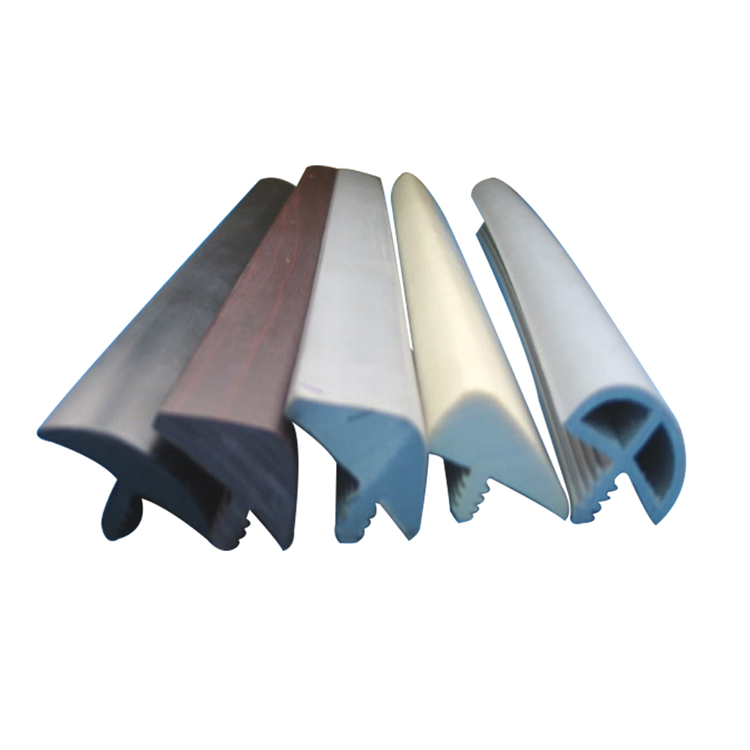
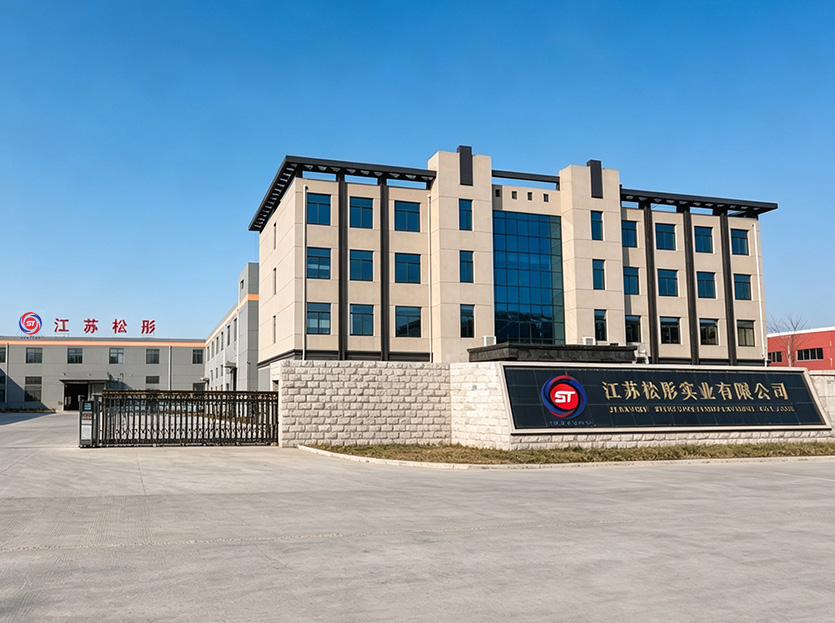



Shanghai Suntung Industry Co., Ltd. develops and extrudes Custom PVC Extrusion Profiles manufacturer work for furniture OEMs, panel processors, distributors and industrial customers who need a section that no standard catalogue carries. We have been processing PVC since 2005 and now run a 21,500 m² production base in Taizhou, Jiangsu, certified to ISO 9001:2015, with 23 automatic lines and a monthly output of 25 million metres across our edge banding and profile programme. A project reaches us as a drawing, a CAD file or a physical part; it leaves as a dimensioned, colour-matched extrusion in coil or cut length, packed for shipment from Shanghai to more than 90 countries.
A Profile Programme Built Around Your Drawing
Extrusion work starts where standard sections stop. We read the mating part, the assembly method and the visible face first, then propose a section that can be run reliably — wall thickness that fills and cools evenly, radii the die can hold, and tolerance bands that match how the profile is fitted on your line. Where a design needs adjustment before tooling, we return a marked-up drawing with the change and the reason behind it.
- Section optimisation and DFM feedback before die cutting
- Sample development from a drawing, a 3D file or a worn original part
- Colour, gloss, texture and hardness set against the panel or component it meets
- Coil, cut-to-length or kit-packed supply, labelled to your line requirements
Profile Range and Application Fit
The range covers decorative and functional sections in rigid PVC, flexible PVC and co-extruded combinations, produced on the same site as our edge banding so a furniture project can be consolidated into one shipment.
| Profile family | Where it fits | What we fix at quotation |
|---|---|---|
| Decorative edge and trim sections | Cabinet doors, drawer fronts, open shelving, display and shop-fitting units | Section geometry, visible-face radius, colour, gloss, texture, cut length |
| Panel capping and joining sections | Exposed MDF and particleboard edges, knock-down furniture, wall and ceiling panels | Opening width, wall thickness, interference allowance, hardness |
| Flexible PVC sections | Sealing lips, gap closure, radiused and curved assemblies, protective edging | Shore hardness, bend and compression requirement, elongation at fit |
| Corner, gap and transition trims | Skirting, worktop joints, wardrobe internals, refurbishment and retrofit work | Leg length, angle, coverage, colour match to the adjacent surface |
| Co-extruded rigid/flexible profiles | Components that must hold shape and seal or cushion in one part | Material pairing, bond-line position, differential shrinkage allowance |
| Industrial and non-furniture sections | Equipment trim, protective channels, cable and edge protection, OEM assemblies | Tolerance class, service environment, packing format, length consistency |
Rigid, Flexible and Co-Extruded Construction
Material choice drives fit, feel and service life more than any other decision on a profile. Rigid PVC gives dimensional stability and clean machining for visible trim; flexible PVC, adjusted through plasticiser loading, sets how firmly a section grips, seals or cushions. Co-extrusion puts both in one part, with the bond line positioned where the assembly flexes least.
- Wall thickness: heavy sections need slower haul-off and tighter gauging to control shrinkage; thin walls risk draw-down and edge waviness
- Hardness: tuned to the clamp force, seal requirement or snap-fit you need, not selected from a fixed list
- Surface: matte, gloss, high gloss, embossed or printed effects matched to melamine, laminate, lacquer, veneer or metal finishes
- Environment: indoor humidity, UV exposure, cleaning agents and temperature range are reviewed before the compound is fixed
Critical Specifications Fixed Before Tooling
- Section drawing with nominal dimensions and a tolerance for each critical feature
- Overall width and height, wall thickness, visible-face radius and draft
- Cut length, cut angle and squareness, or coil length, winding direction and core size
- Colour reference — approved master sample, RAL or Pantone code, or the panel chip itself
- Gloss level in gloss units and the surface texture to be reproduced
- Hardness and flexibility target, expressed as Shore A or D or as a bend requirement
- Mating part and fixing method — adhesive, clip, screw or interference fit
From Drawing Review to Approved Sample
- Application review: we study the mating component, assembly sequence and finishing step, and flag anything the extrusion process cannot hold economically.
- Section proposal and quotation: material grade, tooling, run length, packing and delivery scope are quoted as one package.
- Die and sample development: a sample is produced and sent for fit, colour and surface approval, with measured dimensions against the drawing.
- Approval and production: the approved sample becomes the reference master, and a first-article check is completed before the run is released.
Quality Control and Acceptance
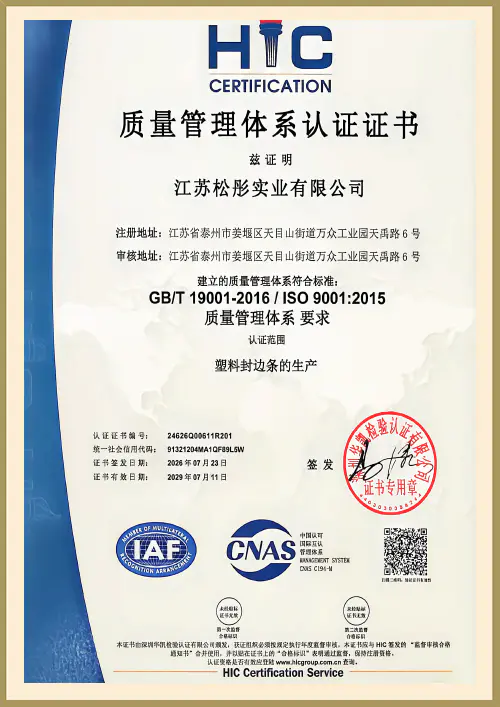
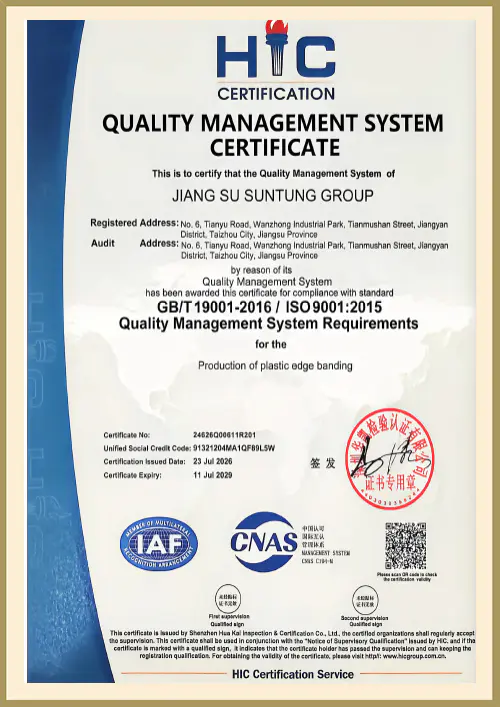
Production runs under an ISO 9001:2015 quality system with incoming material inspection, in-process sampling and pre-shipment verification. Colour is checked against the approved master under controlled lighting, and our colour programme works to a matching similarity of 95% or better against the customer reference.
- Incoming PVC compound, colourant and masterbatch verified before mixing
- Dimensional checks on critical features, cut length and squareness
- Fit trial against the mating panel or a supplied counterpart section
- Visual inspection for die lines, sink marks, flow marks and surface defects
- Batch labelling with profile code, colour code and production date
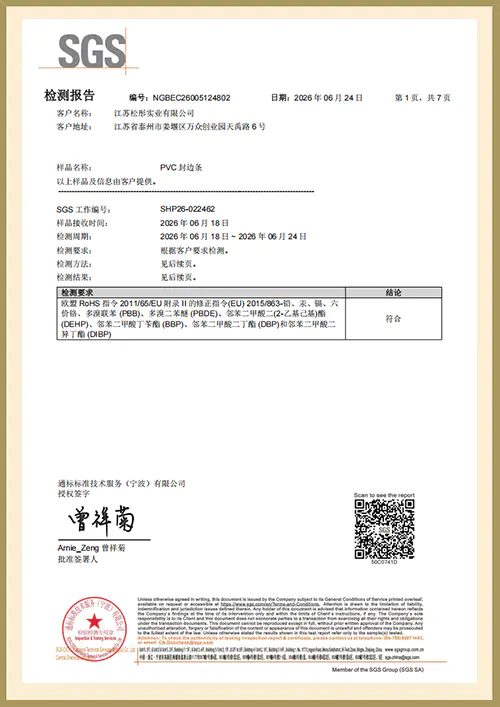
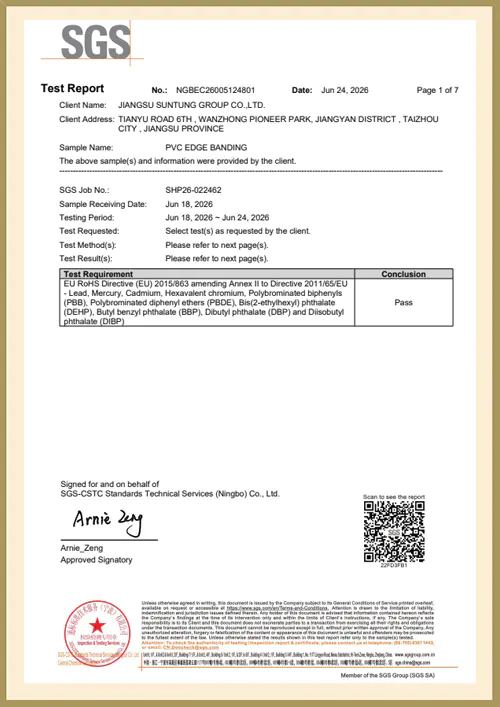
- RoHS documentation and SGS test reports supplied on request
Configuration Options
Most projects combine several of these choices, so we quote them together rather than as separate upgrades.
- Colour, gloss and texture matched to the panel, laminate or paint finish
- Hardness and flexibility adjusted for grip, seal or snap-fit performance
- Co-extruded soft lip or sealing element on a rigid body
- Cut-to-length with deburred ends, or coiled with a specified core and winding direction
- Protective film or interleaving for scratch-sensitive visible faces
- Cartons, labels and pallet patterns configured for your warehouse or line-side handling
Capacity, Packing and Container Planning
Our Taizhou base runs 23 automatic lines with a monthly output of 25 million metres and shipping capacity of roughly 30 × 20GP containers per month, dispatched through the Port of Shanghai with an on-time delivery rate above 95%. Profile runs are scheduled by die and compound, so long campaigns are planned alongside your release pattern rather than against it.
Because profiles, PVC Edge Banding, Pre-Glued PVC Edge Banding, hot melt adhesive and screw caps come from the same group, a furniture project can be loaded as a single mixed container instead of several part loads.
Information We Use to Configure Your Solution
- 2D section drawing or 3D model, with tolerances and a physical sample where one exists
- Application, mating part and fixing method, including the assembly sequence
- Order pattern — first order quantity, annual volume and release frequency
- Colour reference, gloss target and surface texture to be reproduced
- Hardness, bend or compression requirement, and the service environment
- Packing format, labelling, port of discharge and documentation required
- Sample deadline and production launch date
Documentation and Repeat-Order Consistency
Every profile ships with a specification sheet covering section, material, colour, tolerance and packing, together with an inspection record and packing list. The approved master sample and its production records are retained, so a repeat order runs from the same reference and the same die. ISO 9001:2015 certification, RoHS declarations and SGS test reports are issued with the shipment when the project requires them.
Frequently Asked Questions
Can you produce a profile from our own drawing or sample?
Yes. We work from 2D drawings, 3D files or a physical part, and return a manufacturability review before the die is cut so that radii, wall thickness and tolerances are agreed in advance.
How closely can you match our panel colour and texture?
Colour is matched against your approved master or panel chip, with a similarity target of 95% or better, and gloss and embossing are set to the same reference so the profile reads as part of the panel.
Should the profile be rigid or flexible PVC?
Rigid PVC suits visible trim and sections that must hold shape or accept a screw; flexible PVC suits sealing, gap closure and curved assemblies. Where both functions are needed, a co-extruded section carries a soft lip on a rigid body in a single part.
What determines the minimum order quantity?
Quantity follows section size, die cost and run length, since short runs of a large section carry proportionally higher tooling and set-up. We quote sample and production quantities together once the drawing has been reviewed.
Can profiles be shipped together with edge banding and adhesive?
Yes. Profiles, edge banding, hot melt adhesive and screw caps can be combined in one container from Shanghai, which reduces freight cost and keeps matching materials from the same production batch together.
Which compliance documents come with the order?
Shipments carry an inspection record, packing list and specification sheet, supported by ISO 9001:2015 certification, RoHS declarations and SGS test reports where the destination market or your customer requires them.
Related Products and Categories
Our portfolio also includes Products for applications with different operating ranges, interfaces or integration requirements.


