

 eng
 English
 Español
 русский
 عربى
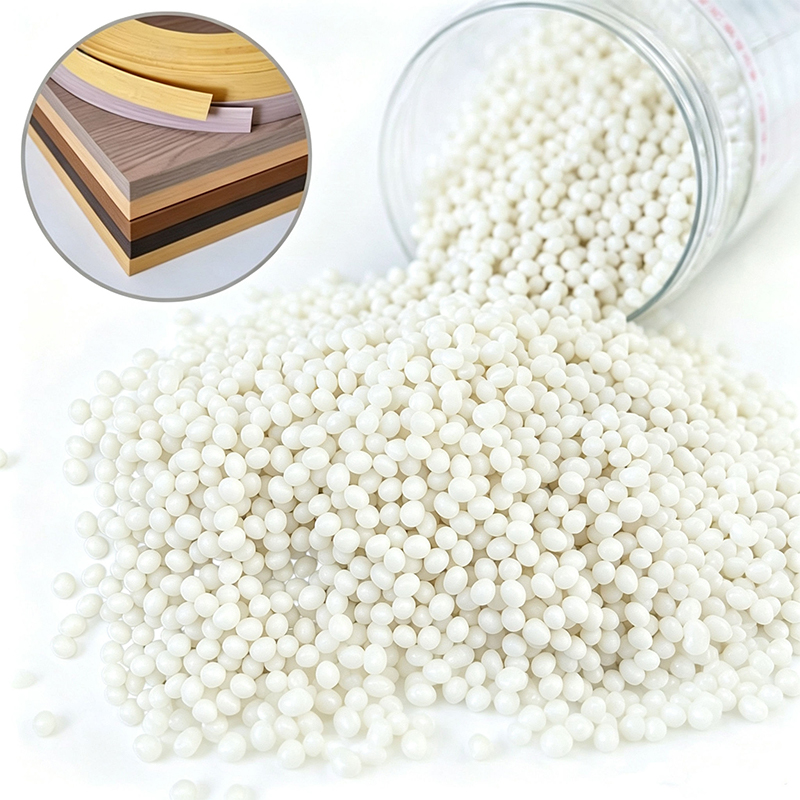



Shanghai Suntung Industry Co., Ltd. supplies hot melt adhesive as part of an edge banding programme in continuous production since 2005. The range covers EVA granule adhesive for automatic edge banding machines and machine-grade edge banding adhesive matched to the banding material, the panel substrate and the working conditions of a specific line. Because the adhesive comes from the same Hot Melt Adhesive manufacturer that extrudes the banding, glue line and edge material are specified together rather than reconciled on the shop floor after delivery.
A Bonding Range Built Around Edge Banding
Adhesive is never a stand-alone purchase in panel furniture production. It travels with the banding, the machine setting and the finished surface, and the grade that holds a high-gloss acrylic edge on MDF is not the grade that holds a soft-touch PVC edge on a lightweight particleboard carcass. Our two product families exist for that reason: EVA chemistry as the base, and edge banding formulations tuned to the line that will run them.
Both families are compatible with PVC, ABS, 3D acrylic, melamine and veneer banding, and with MDF, particleboard, plywood and laminated panels — the combinations that make up most cabinet, office and residential furniture production.
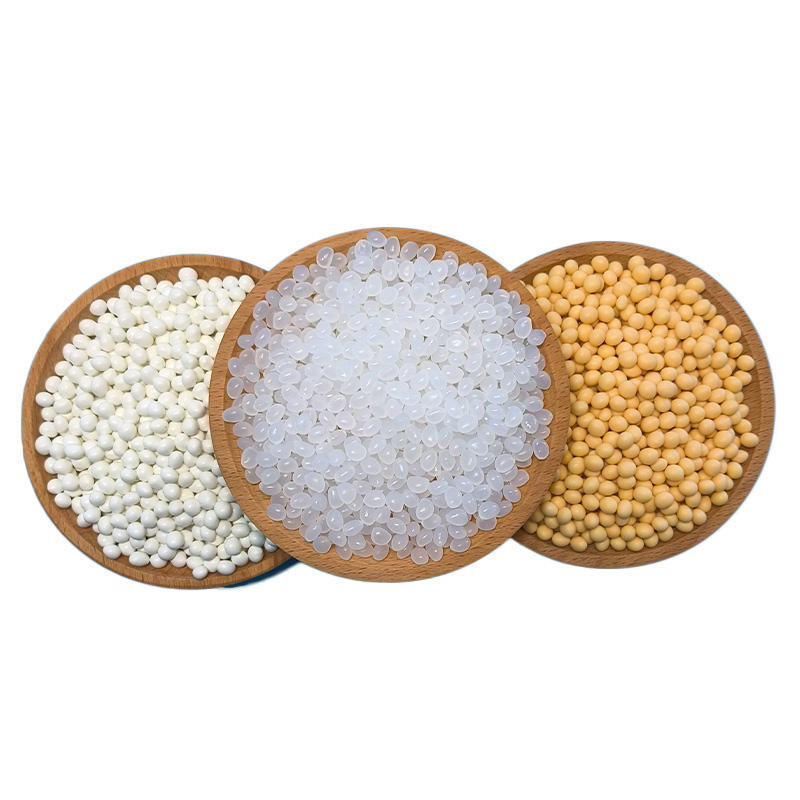
EVA Hot Melt Adhesive
A granule adhesive for furniture manufacturers and edge banding processors working with PVC, ABS and comparable edge materials. Processing performance, bonding strength and compatibility with different banding types are the three properties we build around, and the grade we quote depends on which of them is under pressure in your plant.
Edge Banding Hot Melt Adhesive
Formulated for furniture edge banding machines and panel processing lines. Fast melting, stable viscosity through a shift and strong initial tack are the working targets; the practical outcome is a cleaner trim line, lower glue consumption and less unplanned downtime spent cleaning or resetting the pot.
Product Range and Application Matching
| Range | Base chemistry | Edge materials | Panel substrates | Typical process fit |
|---|---|---|---|---|
| EVA Hot Melt Adhesive | EVA granule | PVC, ABS, acrylic | MDF, particleboard, plywood, laminated board | Automatic edge banding machines with granule tank; general cabinet and furniture lines |
| Edge Banding Hot Melt Adhesive | EVA, machine-specific formulation | PVC, ABS, 3D acrylic, melamine, veneer | MDF, particleboard, plywood | High-speed panel lines where melt stability, open time and initial tack decide the result |
| Pre-Glued PVC Edge Banding | EVA pre-applied during banding production | Solid color, wood grain, high glossy, soft touch PVC | MDF, particleboard | Short runs, curved work and plants running without a separate glue pot |
| Custom-formulated adhesive | EVA chemistry adjusted to sample and line data | Per project | Per project | OEM/ODM programmes, existing machine fleets, unusual climate or throughput targets |
Process Fit: Working Point, Open Time and Line Speed
Selection starts at the working point: the temperature the pot actually holds, the film weight the applicator delivers, and the seconds available before the pressure roller closes. Formulations are set against that data rather than a catalogue default, because the same granule behaves differently on a 12 m/min line and a 25 m/min line.
- Melt and feed rate balanced against line speed, so the pot recovers between panels instead of starving the roller.
- Viscosity stability across the shift, keeping film weight and bead geometry constant from first panel to last.
- Open time matched to the distance between applicator and pressure zone, including the slower settings used on thick or high-gloss banding.
- Heat resistance of the cured glue line sized for the finished application — kitchen and bathroom joinery, export containers, or unheated storage.
- Thermal behaviour at the pot, since sediment, skinning and charring cost more production time than the adhesive itself.
Workpiece and Material Considerations
- Substrate type and density: MDF, particleboard, plywood and laminated board draw heat and absorb adhesive at different rates, so density data belongs in the specification.
- Edge surface: PVC and ABS, printed melamine, sliced veneer and high-gloss acrylic each present a different bonding surface and a different tolerance for squeeze-out.
- Panel condition: machining dust, moisture content and freshly sanded faces all influence wetting and final bond strength.
- Shop climate: unheated plants in winter and humid summer air change cooling rate and effective open time on the same machine setting.
- Geometry: curved and shaped panels place more demand on initial tack and on the flexibility of the finished edge assembly.
Specifications We Confirm Before Supply
Each quotation states the technical scope in writing so the grade on the pallet matches the grade in the machine.
- Chemistry and physical format: granule size, colour and bag weight.
- Softening range and viscosity at the intended working temperature, referenced to your pot and roller type.
- Open time, set speed and the resulting minimum pressure dwell.
- Heat resistance target for the finished furniture application.
- Adhesive system scope: EVA grades form the core of the range, and where a plant also runs PUR-reactive equipment the supply boundary is defined in writing at quotation stage.
- Packaging, pallet layout, storage conditions and shelf life as agreed for the order.
Capacity, Quality and Compliance Evidence
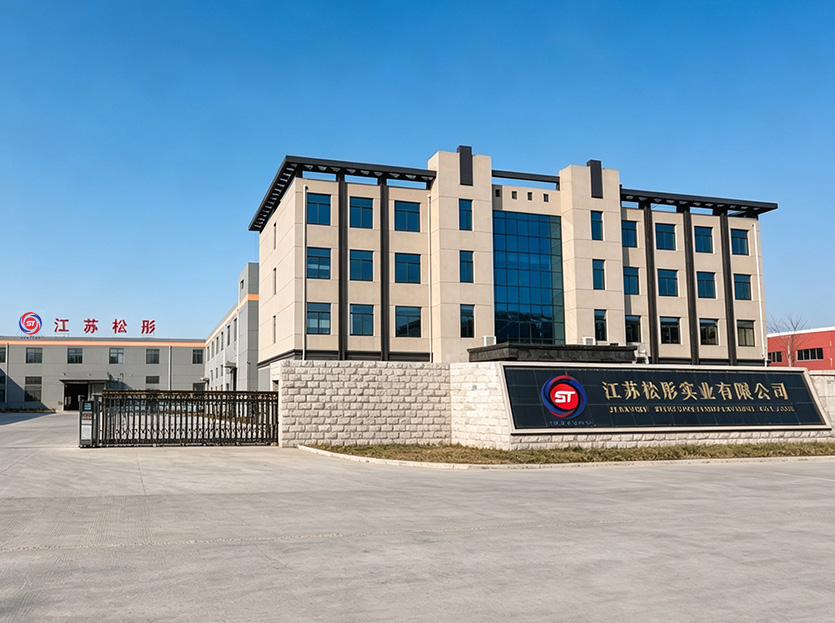
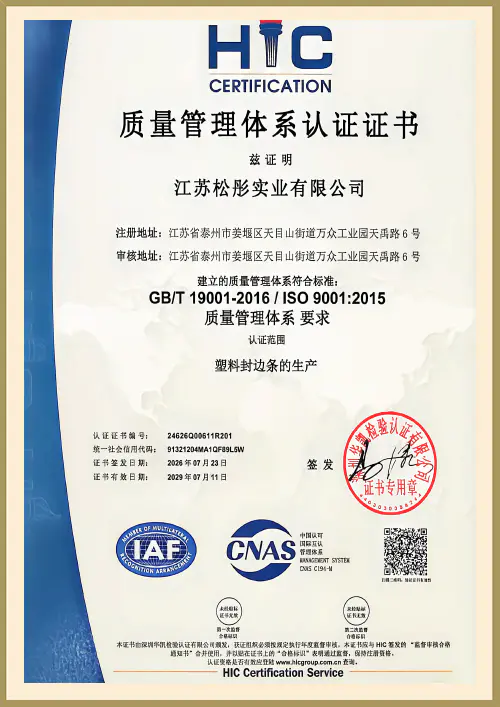
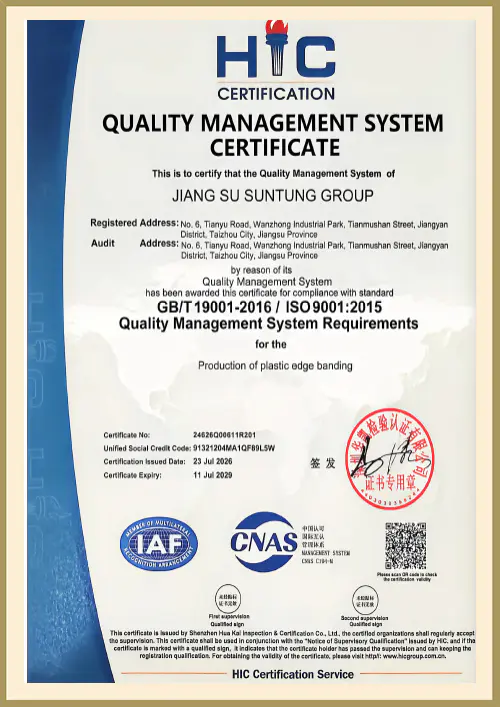
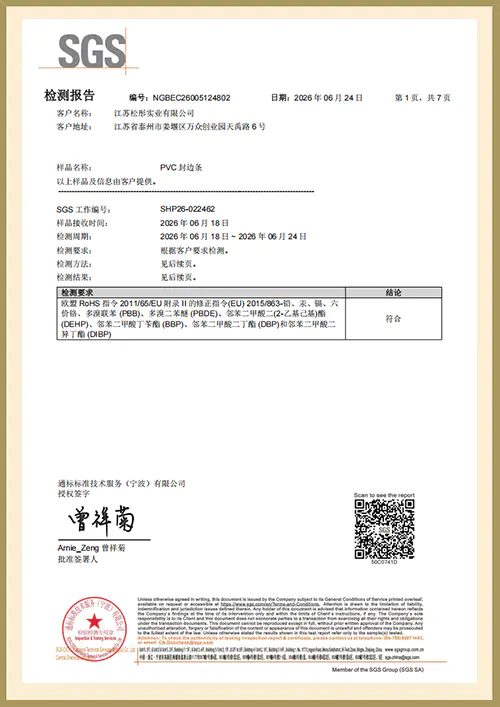
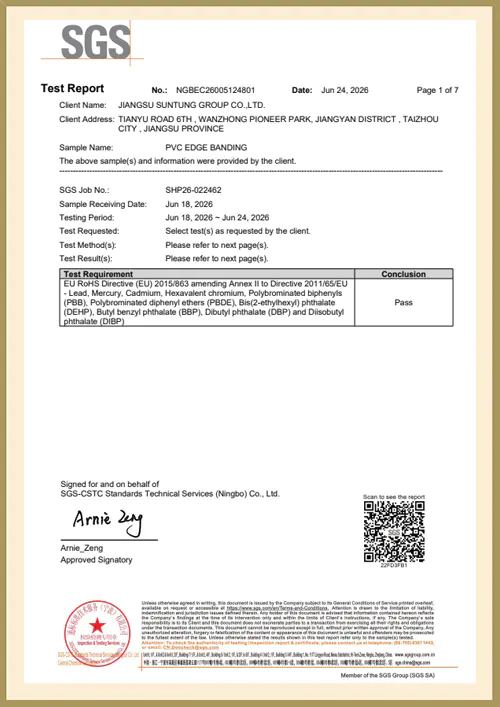
Production runs from a 21,500 m² base in Taizhou, Jiangsu, with 23 automatic lines and a monthly edge banding capacity of 25 million metres — the volume context in which our adhesive is specified and shipped. The operation is certified to ISO9001:2015, products are RoHS compliant, and SGS test reports and relevant compliance documents are issued on request.
Quality control follows the same sequence applied to the banding: incoming material verification, colour and surface checks, primer and adhesion control, in-process sampling and a final inspection before shipment. Machine trials that simulate production conditions are used to verify bonding, sealing integrity and processing behaviour before a grade is released for a repeat order.
Customization, Packaging and Delivery Scope
Our R&D and engineering team develops adhesive and banding against drawings and samples, which covers OEM/ODM programmes, plant-specific grades and colour or format adjustments. Adhesive is packed to the agreed unit weight and pallet format, and can be consolidated with PVC Edge Banding, ABS, 3D acrylic, melamine, veneer and profiles in a single container, shipped from Shanghai.
Technical support covers grade selection, storage and handling guidance, and troubleshooting on melt behaviour, bond failure or glue-line contamination after the material is in production.
Information We Use to Configure Your Solution
- Edge material type, thickness and surface finish.
- Panel substrate, density and typical moisture content.
- Machine make and model, pot or cartridge type, and applicator configuration.
- Line speed, working temperature and pressure dwell.
- Finished application and heat or moisture exposure of the end product.
- Ambient conditions in the plant across the year.
- Annual volume, order pattern and destination port.
- Compliance documents required for import or customer approval.
Frequently Asked Questions
What separates EVA hot melt adhesive from edge banding hot melt adhesive?
EVA describes the base chemistry; edge banding adhesive describes a formulation tuned to a banding machine, a banding material and a substrate. Our EVA grades are the raw platform, and the edge banding grades are built from them with melt behaviour, open time and heat resistance adjusted to the line.
Which banding materials and panels does the range cover?
PVC, ABS, 3D acrylic, melamine and veneer banding on MDF, particleboard, plywood and laminated panels. Combinations outside that list are reviewed against the sample and the machine data before a grade is proposed.
Can the adhesive be matched to the machine we already run?
Yes. Machine make and model, pot type, line speed, working temperature and banding thickness are the inputs we use, and a sample is run on your equipment before a bulk grade is fixed.
Is adhesive shipped together with the edge banding?
Adhesive, banding, profiles and screw caps can be consolidated into one container from Shanghai, which keeps a project on a single delivery schedule and a single set of documents.
Which documents support an order?
ISO9001:2015 certification and RoHS compliance evidence, with SGS test reports and relevant compliance documents supplied on request for import clearance or customer approval files.
How is a new grade proven before a full production order?
Development runs from drawings, samples and your line data, followed by a trial quantity on your machine. Bond strength, trim quality and glue-line appearance are assessed against your approved panel and edge sample before volume supply is scheduled.
Related Products and Categories
Our portfolio also includes Products for applications with different operating ranges, interfaces or integration requirements.


