

 eng
 English
 Español
 русский
 عربى
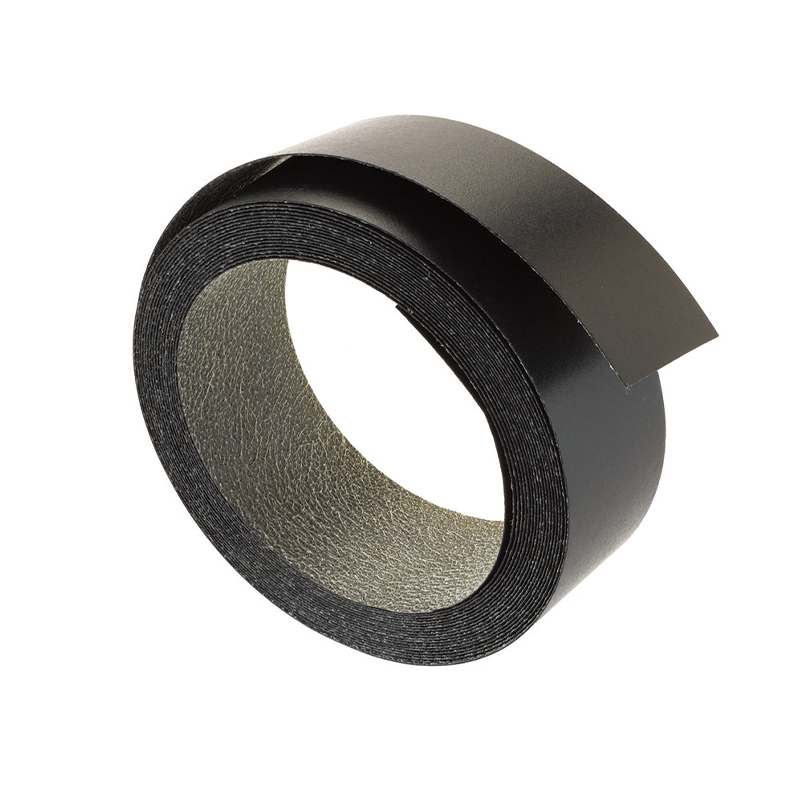
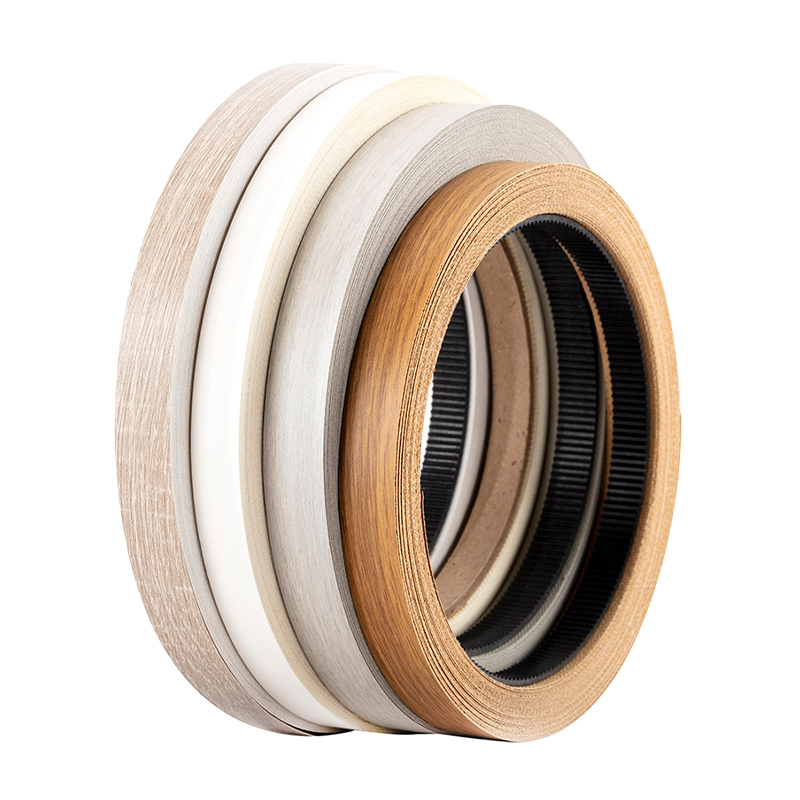
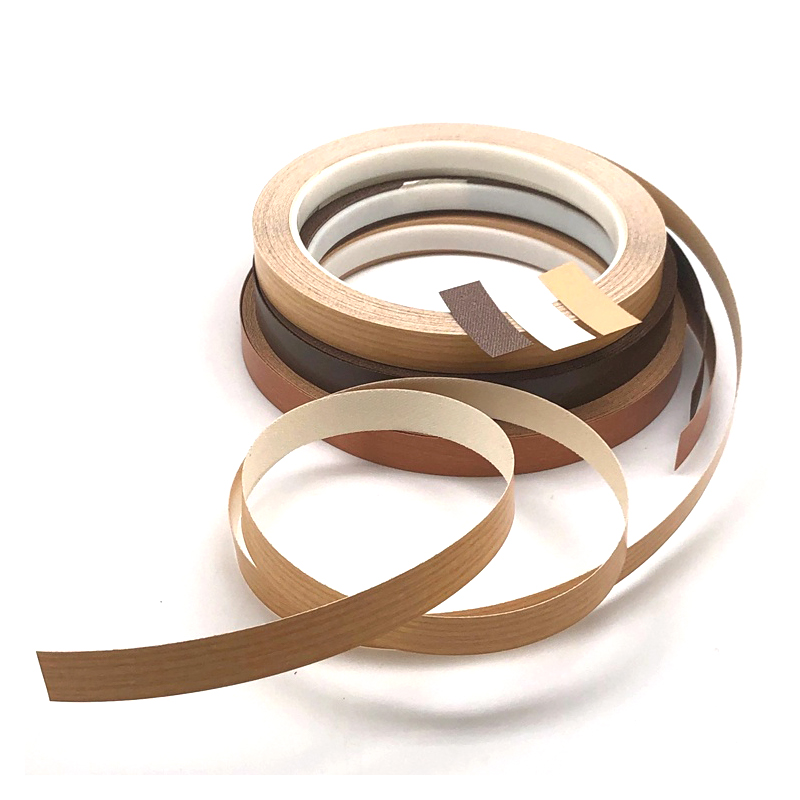
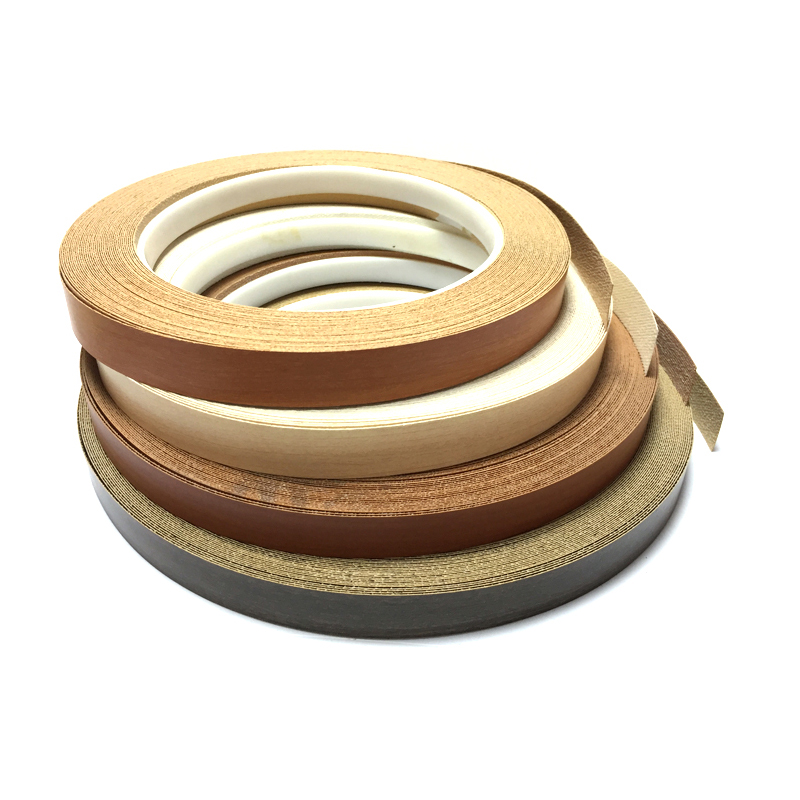
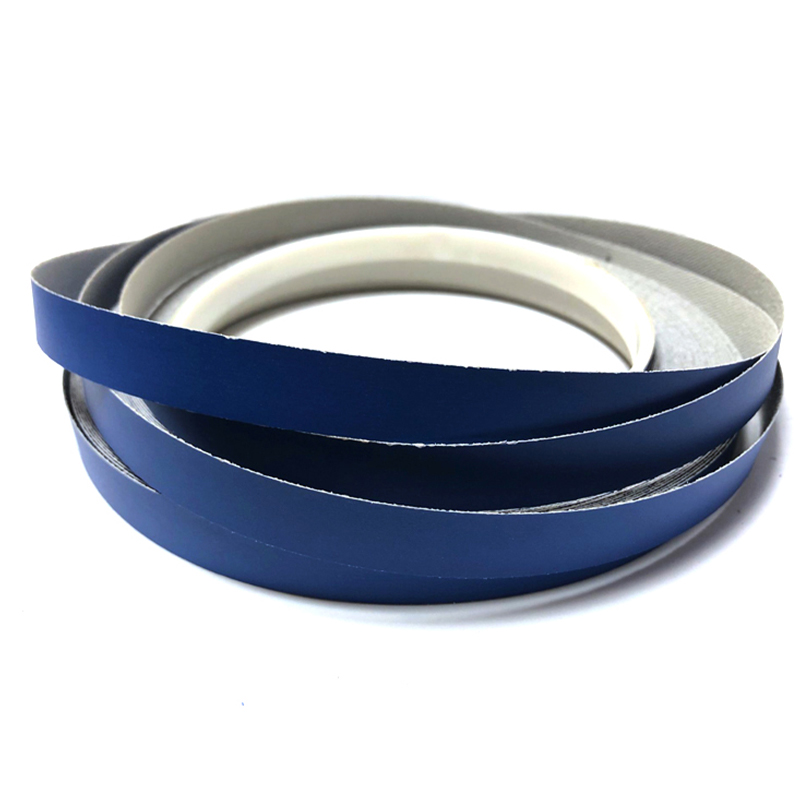
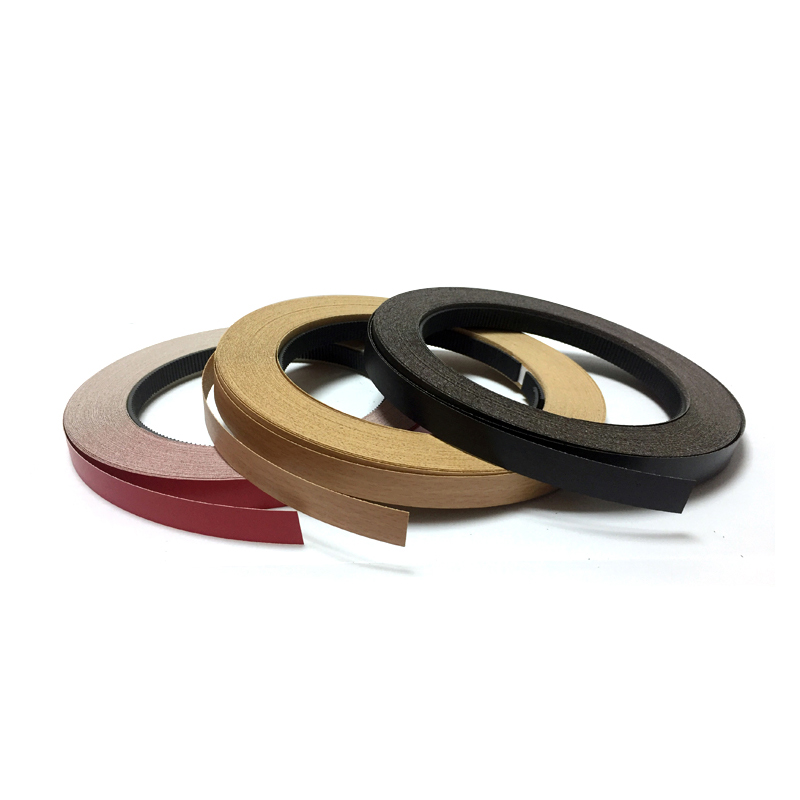
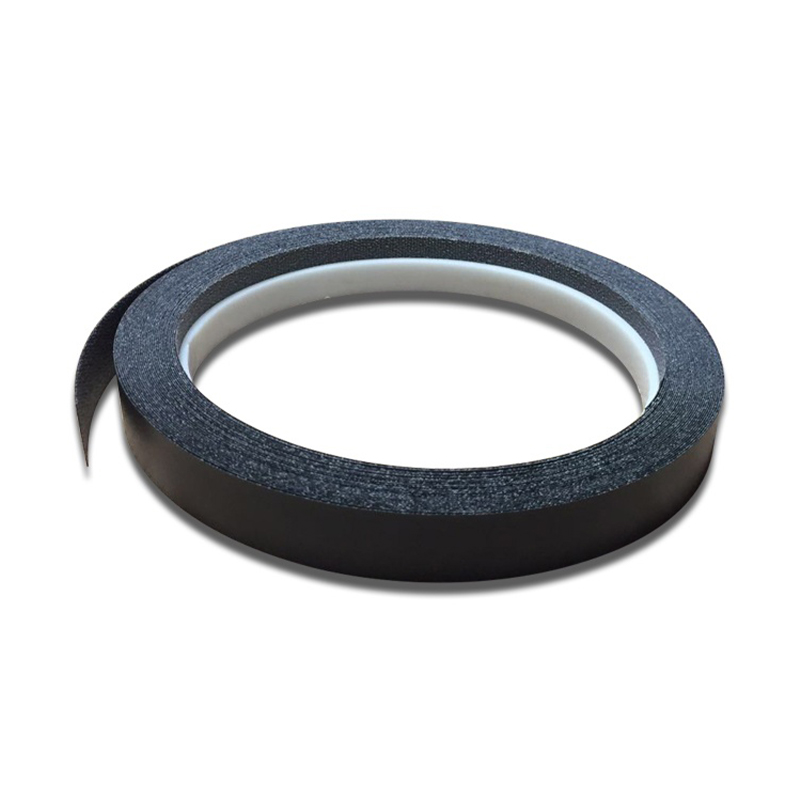
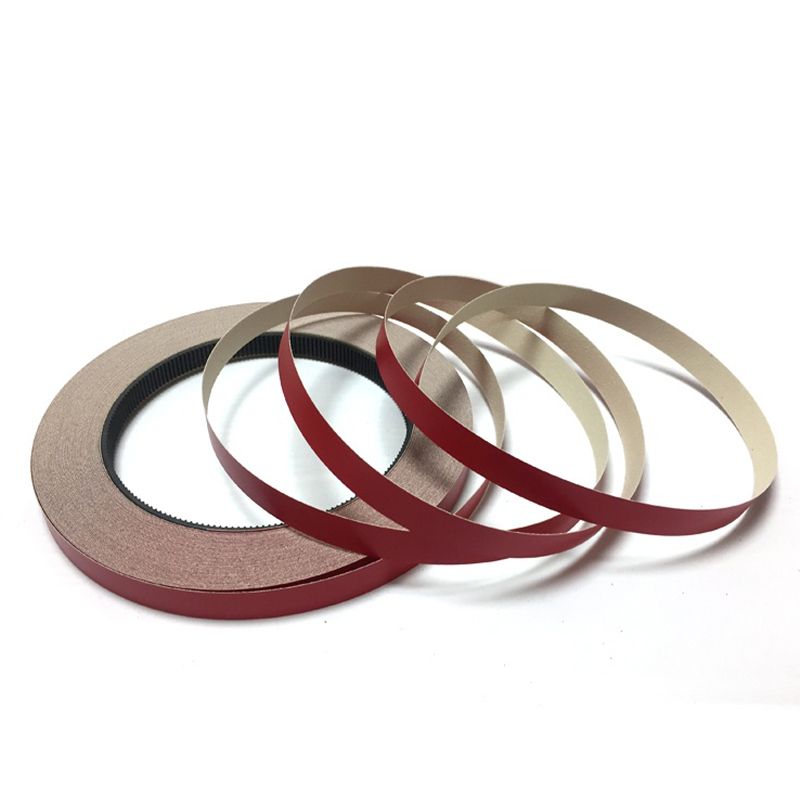
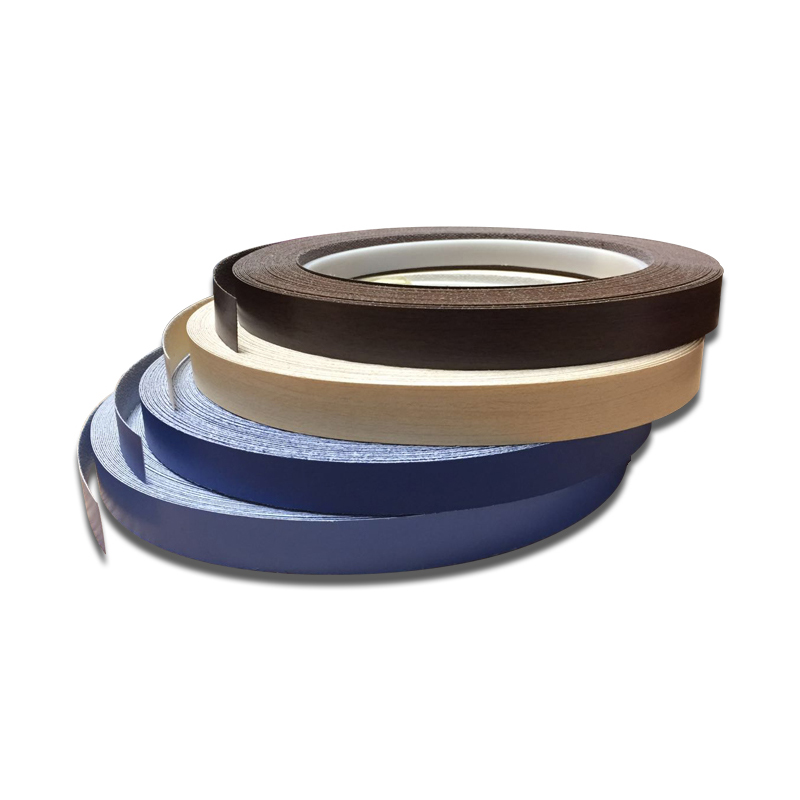
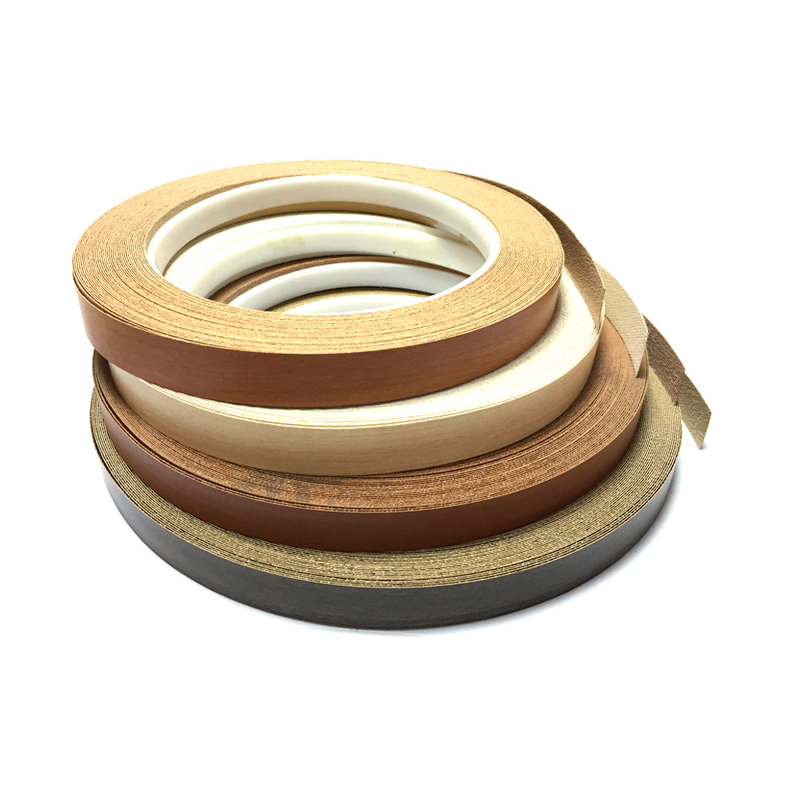
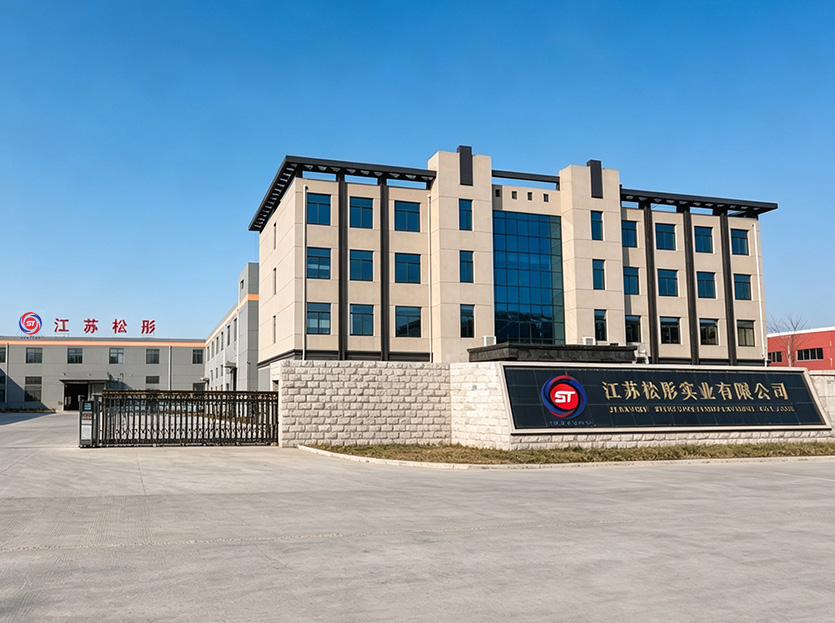



Shanghai Suntung Industry Co., Ltd. has manufactured edge banding since 2005 and today operates a 21,500 m² production base in Taizhou, Jiangsu, running 23 automatic lines at a monthly capacity of 25 million meters. Melamine edge banding is the volume workhorse of that portfolio: decorative paper impregnated with melamine resin, matched to melamine-faced particle board and MDF, and supplied in the formats that furniture programmes actually consume.
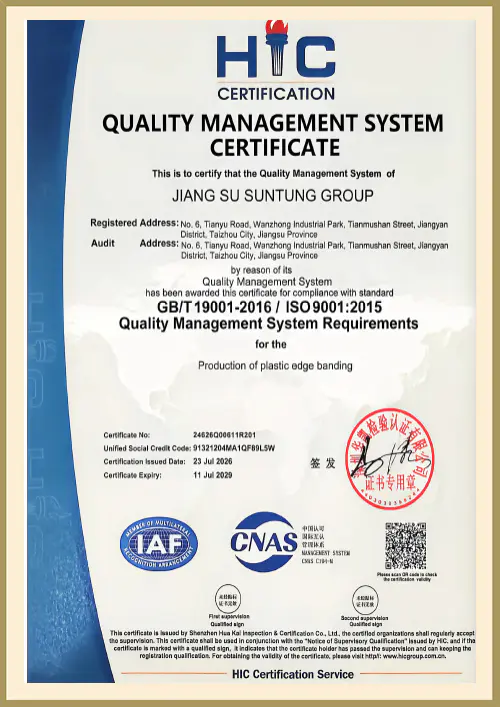
As a Melamine Edge Banding manufacturer, we keep the whole chain in-house — resin mixing, printing, calendering, slitting, primer application and packing — so colour, thickness and adhesion are controlled inside one ISO 9001:2015 quality system instead of being assembled from outside converters.
- Production experience: edge banding R&D and manufacturing since 2005.
- Plant: 21,500 m² in Taizhou, Jiangsu, with export operations handled from Shanghai.
- Output: 25 million meters per month across 23 automatic lines.
- Reach: shipments to more than 90 countries, dispatched from the Port of Shanghai.
Three Melamine Constructions for Three Different Lines
The decorative face is similar across the family, but the adhesive layer — or its absence — decides which machine applies the edging, how fast the line can run and who carries the glue inventory. We build all three constructions from the same matched decor library, so a programme can use pre-glued edging for touch-up and non-glued edging on the main line without a visible colour split between them.
Pre-glued Melamine Edge Banding
A factory-applied hot melt layer makes the strip ready to use, activated by an iron, a hand-held edge banding tool or light-duty bench equipment. It fits repair work, on-site cabinetry, sample rooms and short runs where a glue pot is impractical. Formats and decors are listed under Pre-glued Melamine Edge Banding.
Non-glued Melamine Edge Banding
No adhesive layer; bonding comes from the EVA or PUR system in your own edge bander. This is the construction behind wardrobe, office furniture, kitchen cabinet and panel-furniture lines that need steady feed, clean trimming and tight colour control at volume — covered under Non-glued Melamine Edge Banding.
Soft Melamine Edge Banding
An optimised, more flexible melamine structure for shaped components, gentle radii and profile edges where standard edging would stress, lift or crack. Decor and colour matching stay the same; conformability during application is what changes — see soft melamine edge banding.
| Product range | Construction and adhesive | Best-fit production route | What we match or customize |
|---|---|---|---|
| Pre-glued | Melamine strip with factory-applied hot melt adhesive layer | Repair and touch-up, on-site joinery, sample rooms, small and mixed batches | Solid colours and wood grains, width, thickness, roll length, OEM decor |
| Non-glued | Uncoated melamine strip, bonded by the line's EVA or PUR adhesive | High-volume cabinet, wardrobe, office and RTA furniture on automatic edge banders | Panel-chip colour match, 0.4 mm and heavier grades, print and emboss, packing format |
| Soft | Flexible melamine structure for shaped edges | Curved components, radii, profile edges, customized interior furniture | Matched decor, custom colour, width and thickness, flexibility level |
Matching the Edging to the Panel and the Machining Route
Melamine edging is selected against the panel it closes and the machine that applies it, not against a colour card. We work from the actual board decor — a chip, a cut panel or a decor code — because the same colour can need a different primer weight, winding tension and stiffness for a hand tool than for a high-speed automatic line.
- Substrate: melamine-faced particle board, MDF and laminated panels for wardrobes, kitchen cabinets, office furniture, bookcases, retail fixtures, educational furniture and ready-to-assemble ranges.
- Edge thickness: set by the panel build and the capability of the trimming unit; thinner grades keep the edge visually flush, heavier grades tolerate more rework on radiused parts.
- Curvature: standard melamine for straight components, soft melamine where the profile bends.
- Adhesive route: non-glued on automatic banders using EVA or PUR; pre-glued for irons, hand tools and light-duty equipment.
- Finishing behaviour: formulations are tuned for a clean flush and end trim with no whitening along the cut line.
Critical Specifications We Fix Before a Run Starts
Each order is released against a written specification rather than a generic grade name. These are the values we confirm with you and hold through production:
- Thickness and width: nominal figures with a stated tolerance band, slit to the panel edge.
- Colour: matched to the approved master sample, with colour similarity held at 95% or better against that reference.
- Gloss and texture: surface sheen and emboss depth aligned to the board face, since melamine decor usually reads matte and a gloss mismatch is visible in raking light.
- Print quality: grain or solid-colour clarity, UV adhesion, scratch and wear resistance over the life of the panel.
- Primer: uniform coating from the automated glue application system, so the strip seals evenly on the machine.
- Roll format: length, core size and winding direction specified for your feed and splice practice.
Capacity, Colour Repeatability and Supply Stability
Melamine edge banding is ordered in tens of thousands of meters against a fixed decor, so repeatability matters more than a single good batch. Print runs are controlled in-house, and our mixing department standardises raw-material proportioning, colour blending and formula adjustment before material reaches the extrusion and calendering stages.
- 23 automatic lines and 25 million meters monthly, which keeps mainstream colours and specifications available without long waiting windows.
- Dedicated colour inspection against the approved master sample at the start of production and through the run.
- Batch discipline: mixing, extrusion, calendering, slitting and printing records allow a repeat order to be rebuilt from the same parameters.
- Export logistics: shipments from the Port of Shanghai, with on-time delivery above 95% as reported across our export programmes.
Quality Assurance and Acceptance Evidence
Before a consignment leaves the plant it is run on edge banding equipment under conditions that simulate a production line, verifying adhesion, sealing integrity and processing stability. That machine trial sits on top of in-process checks at every stage, from incoming paper and resin inspection to final packing.
- Final inspection covers: appearance, colour accuracy, dimensional tolerance, surface condition, labelling, packaging integrity and full order compliance.
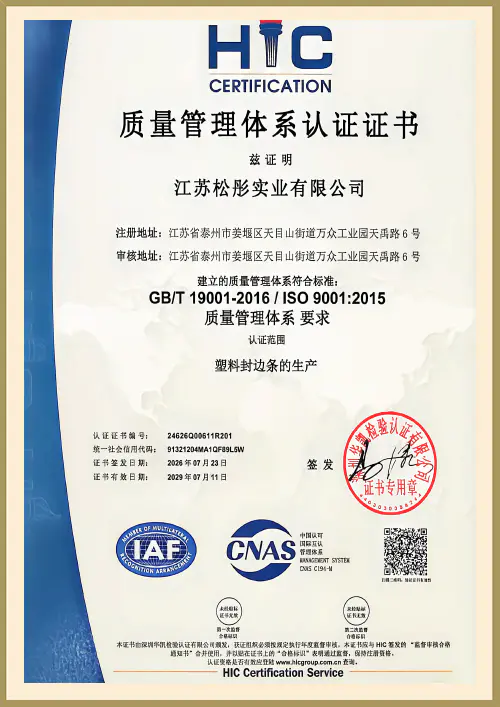
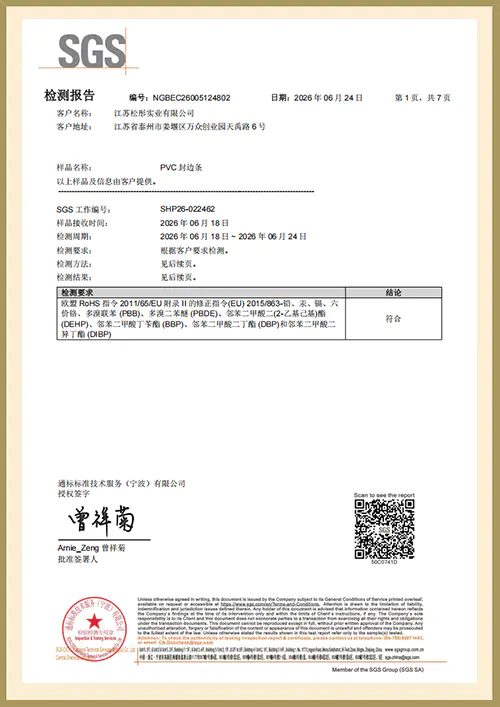
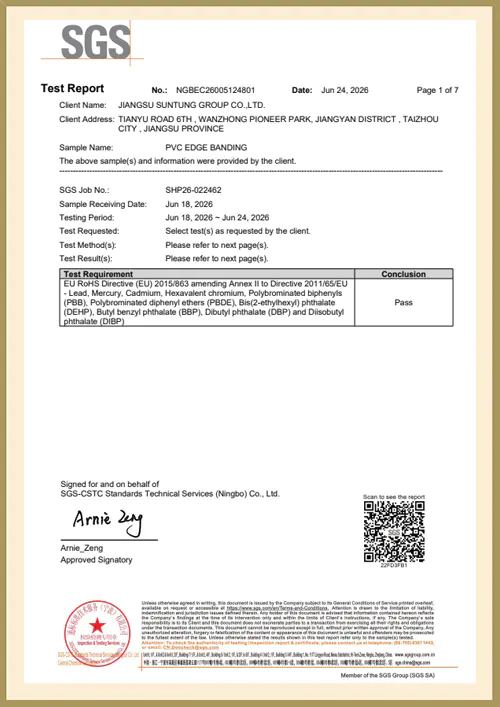
- Certification: ISO 9001:2015 quality management, with RoHS-compliant materials and SGS test reports available on request.
- Trimming and durability tests: bending performance, crack resistance and resistance to edge whitening after trimming.
Customization and OEM Support
Our engineering team develops against drawings and physical samples, which is how most private-label programmes start. Typical customization on melamine edge banding covers colour, decorative print, surface texture, thickness, width, roll length and hardness for curved work, with plate making and sample approval handled before bulk release.
Packing, Documentation and Delivery Scope
Finished rolls are sorted, wound and sealed to the packing specification agreed for the order, then labelled for container loading. Each shipment is accompanied by the commercial documents and inspection records for the batch; compliance documents such as the ISO 9001:2015 certificate, RoHS declaration and SGS reports are issued with the order where the project requires them.
Information We Use to Configure Your Solution
A quotation on melamine edge banding is only meaningful once the decor, the machine and the volume are fixed. This is the input set our sales and engineering team works from:
| Project input | What it tells us | How it shapes the proposal |
|---|---|---|
| Panel decor or physical sample | Colour target, gloss level, texture | Print route, master sample approval, colour similarity check |
| Edge thickness and width | Fit to panel build and trimming unit | Slitting setup, tolerance band, roll format |
| Adhesive route: pre-glued, EVA or PUR | Which construction and primer system applies | Product family, primer weight, machine trial parameters |
| Line type and running speed | Feed, winding and stiffness requirements | Roll diameter, winding tension, packing method |
| Monthly volume and call-off pattern | Capacity allocation and stock policy | Production scheduling and container loading plan |
| Destination port and compliance documents | Logistics, handling and acceptance criteria | Export packing, labelling, ISO 9001:2015 and RoHS evidence, SGS reports |
Frequently Asked Questions
Which thicknesses and widths do you supply in melamine edge banding?
Thickness is quoted against your panel build and trimming unit — 0.4 mm is a common grade for non-glued panel furniture production, and heavier grades are produced where the edge needs more rework allowance. Width is slit to the panel edge, and roll length and core are set by your machine.
Can you match a specific melamine board decor?
Yes. Send a panel chip or the decor reference and we match colour, gloss and texture to that master sample, holding colour similarity at 95% or better. Sample approval happens before the bulk run, and the approved reference is kept for repeat orders.
Should we take pre-glued or non-glued melamine edge banding?
The line decides it. Pre-glued is activated by an iron or light-duty tool and suits repair work, site fitting and short runs. Non-glued runs on automatic edge banders with your own EVA or PUR adhesive, which is the right choice for continuous cabinet, wardrobe and office furniture production.
How is adhesion verified before the goods ship?
Each batch is run through edge banding equipment that simulates production conditions, checking adhesive bonding strength, sealing integrity and processing stability. Final inspection then covers appearance, colour, dimensions, labelling and packing before the container is released.
Can soft melamine match the same decor as our flat-line edging?
Yes. Soft melamine comes from the same decor library as the standard construction, so curved components, radii and profile edges keep the same colour and surface finish as the straight parts of the same piece of furniture.


