

 eng
 English
 Español
 русский
 عربى
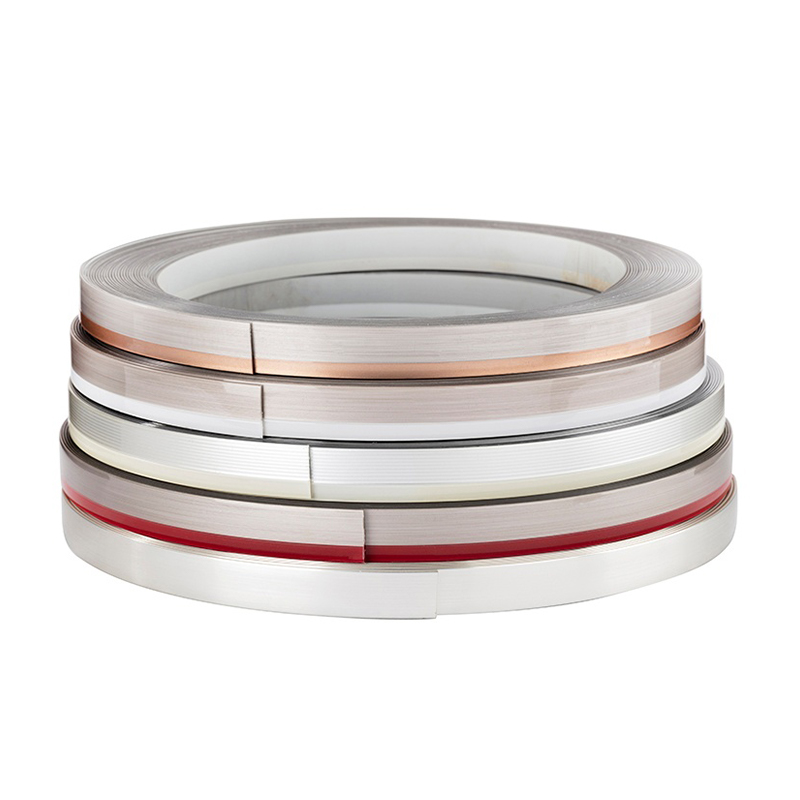
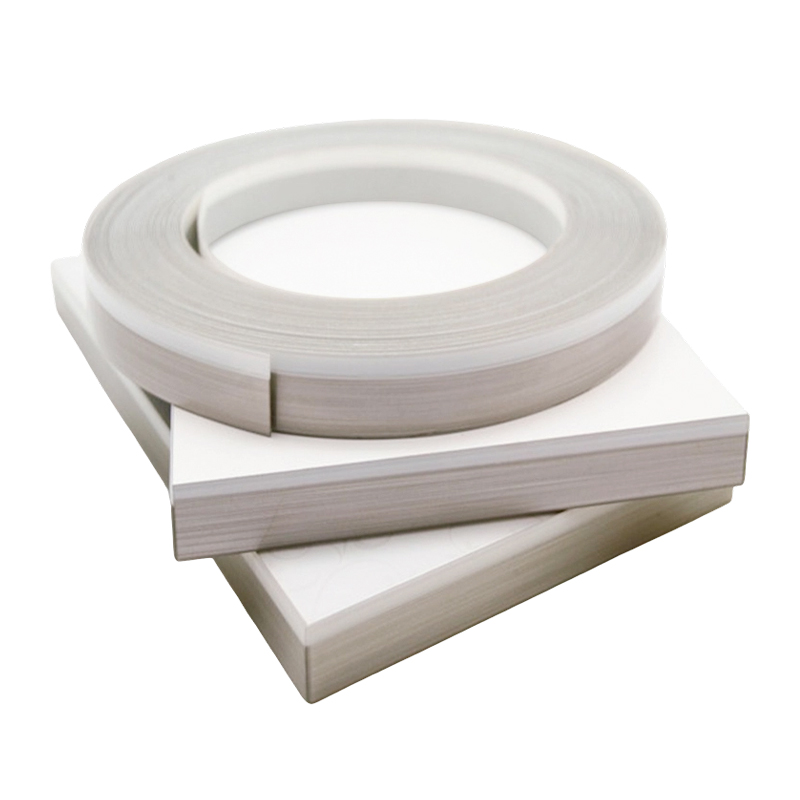
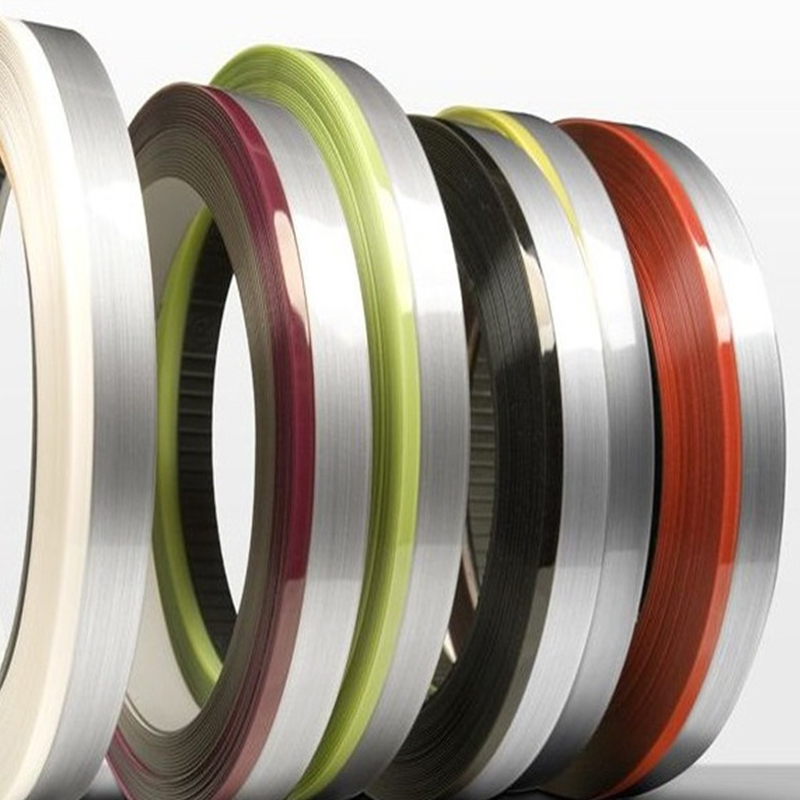




As a Bicolor Color 3D Acrylic Edge Banding manufacturer, Shanghai Suntung Industry Co., Ltd. supplies furniture factories, cabinet makers, shopfitting contractors and distributors with a decorative edge strip built around two complementary color layers read through a transparent acrylic face. The contrast sits beneath the surface, so it shifts with viewing angle and light instead of lying flat on the edge.
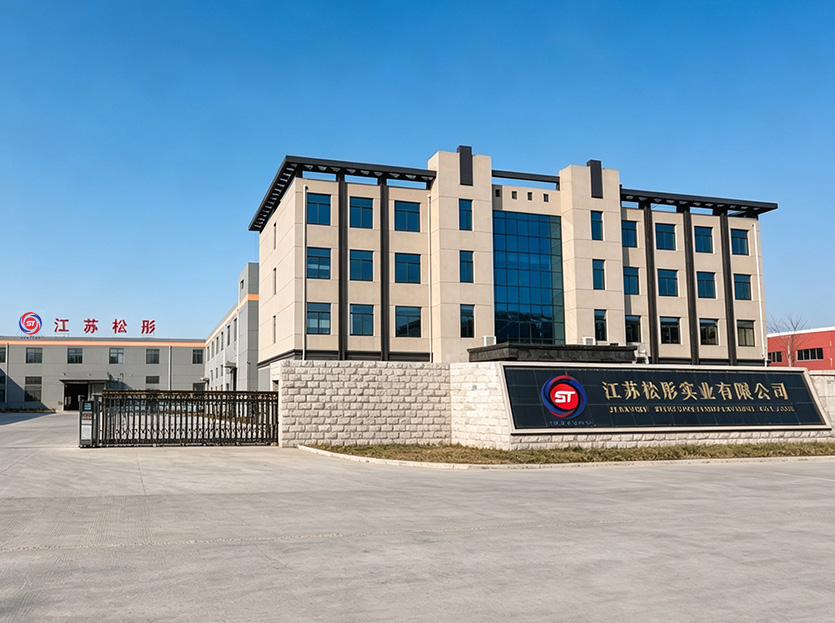
Edge banding has been our core business since 2005. From a 21,500 m² production base in Taizhou, Jiangsu, we run 23 automatic lines at a monthly capacity of 25 million meters under ISO 9001:2015, supplying home furnishing brands such as Haier and Mengtian Group as well as customers in more than 90 countries.
How Bicolor 3D Acrylic Produces Its Depth
The strip is built through co-extrusion combined with decorative printing: two registered color layers are laid beneath a clear acrylic surface, and the acrylic carries the gloss while protecting the print underneath. That construction is what separates the material from single-pass printed PVC — the edge reads as a solid, optically deep element rather than a thin decorative skin.
- Dual color layer: two complementary tones held in registration, creating a controlled transition along the length of the edge.
- Transparent acrylic face: gloss is a property of the material itself, so the surface stays visually clean under raking light and close inspection.
- UV-stabilized build: formulated for gloss and color retention on daylight-facing cabinetry and display joinery.
- Automated primer application: a uniform primer layer supports consistent adhesion and sealing on automatic edge banding machines.
Where the Bicolor Range Fits
Bicolor 3D acrylic earns its cost where the edge is meant to be seen. On flat slab doors, open shelving, reception counters and retail fixtures, the dual-tone edge becomes a deliberate design line and removes the need for separate inlay or aluminum trim work.
| Application | Design intent | Typical pairing |
|---|---|---|
| Designer and statement furniture | Contrasting edge as the visual signature of the piece | Matte lacquered panels, solid-color melamine faces |
| Retail display and fixture systems | High visibility at close range, durable printed surface | High-gloss and super-matte board faces |
| Commercial interiors and hospitality | Consistent decorative language across large joinery runs | HPL-faced and veneered substrates |
| Luxury wardrobes and cabinetry | Two-tone carcass detail behind a plain door face | Deep-tone panels with a lighter accent edge |
| OEM collections and private label programmes | Brand-exclusive color combinations developed with the customer | Customer master samples and color chips |
Positioning Within the 3D Acrylic Family
Bicolor is the design-led branch of our acrylic range. The plain and wood-effect variants handle volume carcass work and conventional panel matching; the bicolor variant is specified where the edge itself has to carry the concept.
| Range | Surface character | Best fit |
|---|---|---|
| Unicolor 3D Acrylic Edge Banding | Single tone under the acrylic face, deep gloss | Volume production matched to one panel color |
| Wooden Color 3D Acrylic Edge Banding | Printed grain beneath a clear acrylic layer | Decorative panel programmes and wood-effect joinery |
| Bicolor Color 3D Acrylic Edge Banding | Two complementary tones with a visible optical transition | Statement furniture, retail and hospitality joinery |
All three sit within the wider 3D Acrylic Edge Banding programme, so a single project can use bicolor on feature fronts and a matched plain acrylic on concealed carcass edges without splitting the supply.
Panel and Workpiece Considerations
- Substrate: particleboard, MDF, plywood and HPL-faced panels all bond reliably provided the primer system matches the adhesive in use.
- Thickness coordination: band thickness is set against panel thickness and the trimming allowance your line leaves, so the finished edge finishes flush without over-trimming the acrylic face.
- Curved and shaped parts: acrylic-faced strips tolerate bending on radiused components, but the tighter the radius, the more the color layer is stressed — radius data belongs in the configuration stage.
- Gloss and texture: the acrylic face should sit at the same gloss level as the board surface, otherwise a two-tone edge reads as a separate material in a finished room.
- Light exposure: for shopfronts and daylight-facing joinery, specify the UV-stabilized build so the color pair does not drift relative to the panel.
Specifications That Define a Bicolor 3D Acrylic Order
| Parameter | How it is fixed |
|---|---|
| Overall thickness | Selected against panel thickness and the trimming setup on your line |
| Width | Cut to the required band width with controlled cutting tolerance in the slitting workshop |
| Color pair | Approved from physical samples or chips submitted with the enquiry |
| Color matching to panel | Verified against the approved master sample, with matching similarity of 95% or better |
| Gloss level | Confirmed as gloss, high gloss or matte to align with the board face |
| Surface texture | Smooth acrylic face as standard; textured and embossed effects available on request |
| Adhesive compatibility | Specified for the hot melt system on your machine — EVA or PUR |
| Roll format | Winding length, core and labeling agreed per order and per market |
Line Integration and Processing Behaviour
Acrylic-faced banding behaves differently from PVC on the sealing machine, mainly in heat sensitivity at the trimming station. We confirm the working point with you — adhesive type, feed rate, roller pressure and trimming sequence — before a production run is scheduled, and we machine-test batches on simulated production conditions to verify bond strength and sealing integrity.
- Uniform primer coating supports even glue wetting and a closed, clean glue line.
- Formulations are balanced for flexibility and machinability, tested for bending performance and trimming quality to limit cracking and edge whitening.
- Higher PVC content in the substrate helps hold color after trimming, keeping the cut edge consistent with the face.
- Where a project uses PUR for moisture resistance, the primer and surface treatment are matched accordingly.
Quality Assurance and Acceptance
Quality control runs from incoming material inspection through color matching, printing, surface treatment, primer application and final inspection. Each batch is checked against the approved master sample for tone, texture, decorative finish and gloss level, and the finished roll is inspected for dimensions, surface condition, labeling and packaging integrity before release.
- Color matching inspection: tone, texture and gloss compared with the customer master sample throughout production.
- Surface effects control: flatness, clarity and uniformity of the acrylic face verified batch by batch.
- Durability testing: UV adhesion, scratch resistance, stain resistance and wear resistance evaluated for long-term appearance.
- Pre-shipment verification: appearance, dimensional tolerance, labeling and full order compliance.
Capacity, Consistency and Delivery
Twenty-three automatic lines and a monthly output of 25 million meters give us the volume to hold a color pair stable across repeat orders rather than treating bicolor as a one-off sample run. The Taizhou plant also carries stock of mainstream colors and specifications, and container loading is planned at roughly 30 × 20GP per month, shipped through Shanghai with on-time delivery performance above 95%.
For multi-phase projects — a hotel roll-out, a retail chain or a seasonal OEM collection — we schedule production against the delivery pattern you give us so that later phases come from a controlled, documented batch sequence.
Compliance, Documentation and Packing
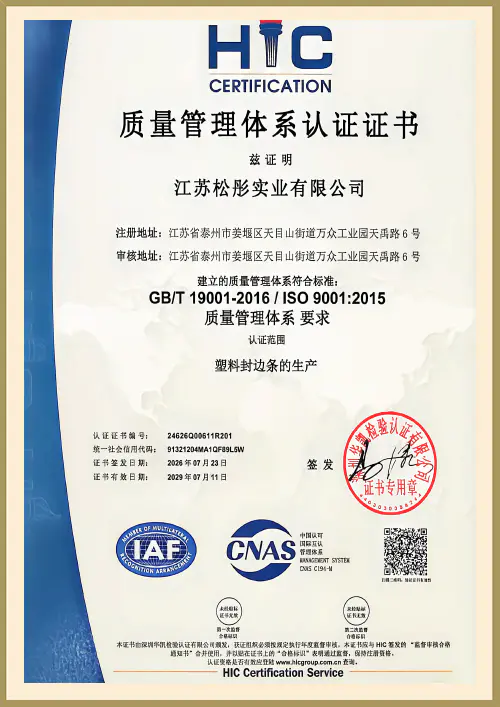
- Manufacturing under an ISO 9001:2015 certified quality management system.
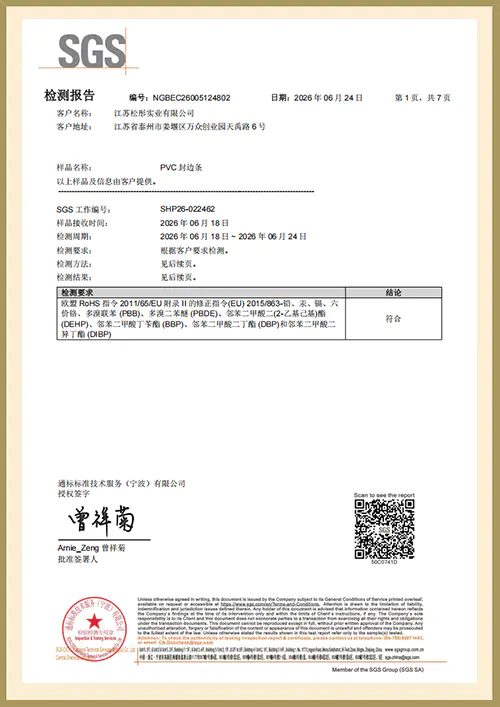
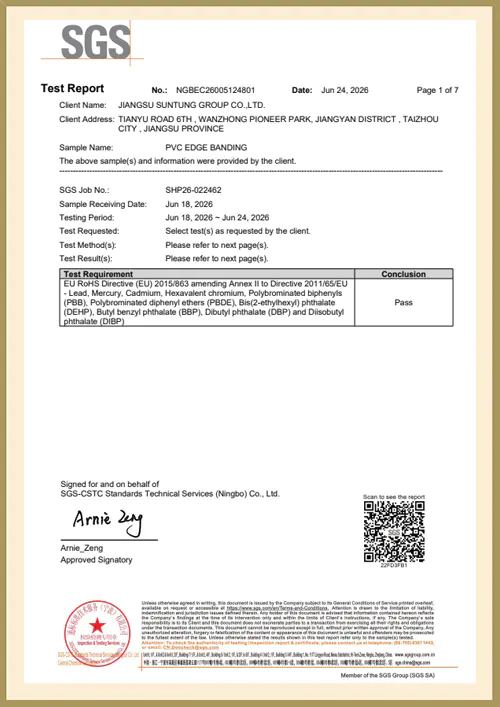
- RoHS-compliant and CE-marked products, made from eco-friendly raw materials.
- SGS test reports and supporting compliance documents supplied on request for project files.
- Export packing with sorting, winding and sealing tailored to specification and destination market.
- One-container supply across edge banding, PVC profiles, hot melt adhesive and screw caps, so cabinetry accessories arrive together.
Information We Use to Configure Your Solution
A bicolor proposal is only as good as the inputs behind it. The following items let us return a specification, a color development plan and a quotation that can be produced without later correction.
- Panel reference, board sample or color chip showing the face the edge must relate to.
- Target color pair, or a design reference for the two tones and the direction of the transition.
- Required thickness and width, with the trimming allowance your line works to.
- Gloss level and surface texture of the panel face.
- Adhesive system, machine make and line speed at the sealing station.
- Smallest bend radius on shaped components, if any.
- Volume per order, repeat pattern and delivery schedule.
- Roll length, core, labeling and packing requirements for your market.
- Compliance documentation needed for the destination country.
Frequently Asked Questions
What separates bicolor 3D acrylic from high-gloss PVC edge banding?
High-gloss PVC carries its appearance on a single decorative layer. Bicolor 3D acrylic places two complementary color layers beneath a transparent acrylic surface, so the edge shows optical depth and a color transition that changes with viewing angle. The acrylic face also holds gloss as a material property rather than a coating.
Can you develop a specific color pair for our brand?
Yes. Our R&D and engineering team develops and produces against drawings and physical samples, and we verify color tone, texture and gloss against your approved master sample, with matching similarity of 95% or better. Custom color, texture, size, surface and hardness are all open to specification.
Which thicknesses and widths do you supply?
Thickness and width are set per project against panel thickness, trimming allowance and machine setup, then cut to width in our slitting workshop with controlled cutting tolerance. Send the panel build-up and line data and the dimensions come back fixed in the quotation rather than as a range.
Will it run on our existing edge banding machine?
The banding is supplied compatible with EVA and PUR hot melt systems and with an evenly applied primer from our automated glue application line. We confirm the working point with you beforehand and run machine tests simulating production conditions to check bond strength, sealing integrity and trimming behaviour.
What documentation comes with a shipment?
Products are manufactured under ISO 9001:2015, are RoHS compliant and CE marked, and SGS test reports plus relevant compliance documents are provided on request. Batch records, labeling and packing details are aligned to the order specification before the container leaves Shanghai.
How do you keep repeat orders visually consistent?
The approved master sample stays attached to the running specification. Color matching, printing and surface inspection are carried out against that sample on every batch, and with 25 million meters of monthly capacity across 23 automatic lines a repeat order can be scheduled inside the same controlled production sequence.


