

 eng
 English
 Español
 русский
 عربى
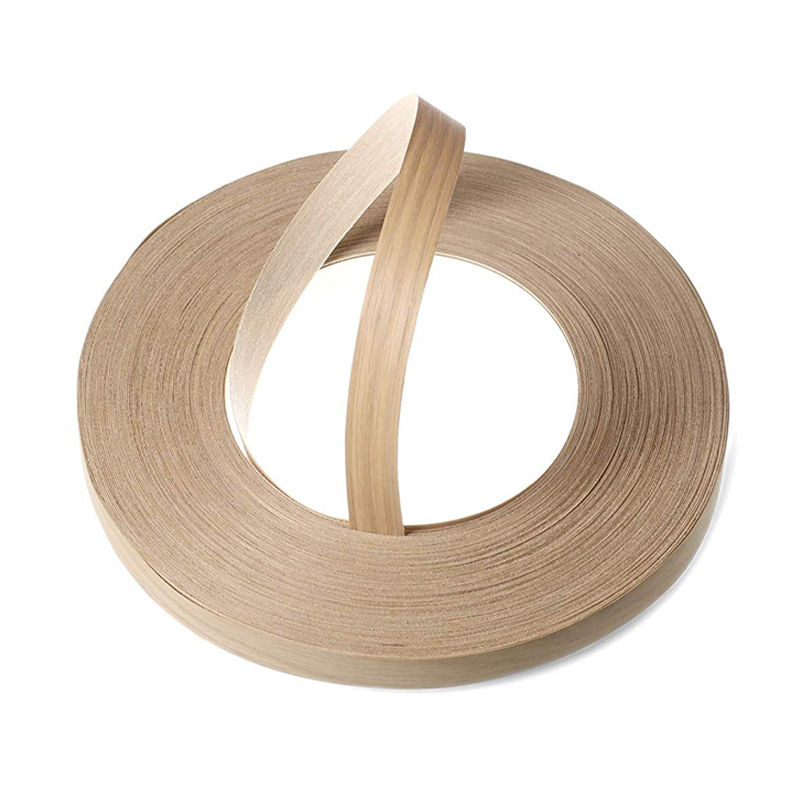
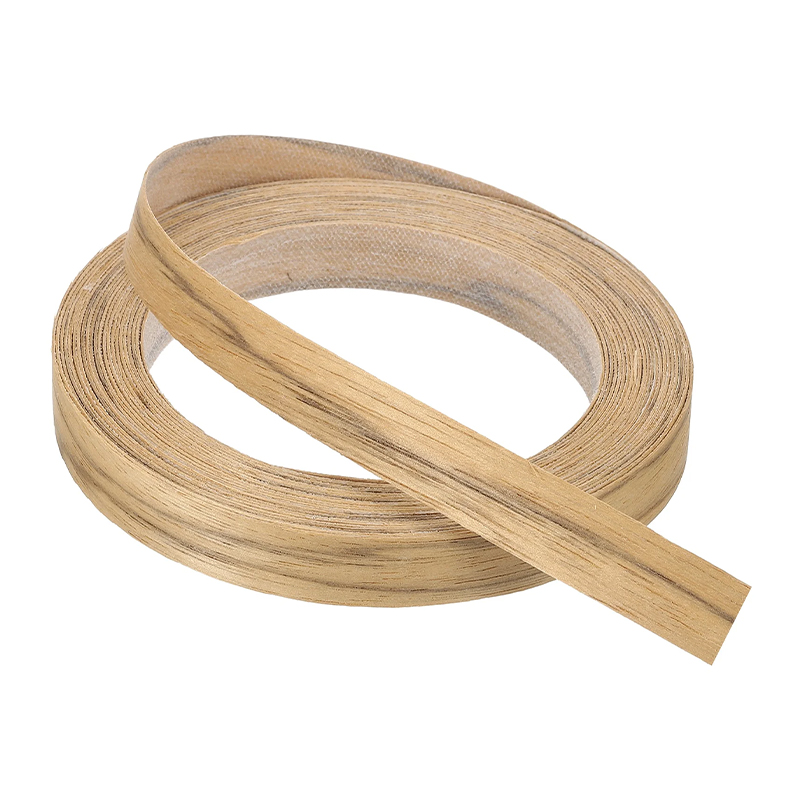
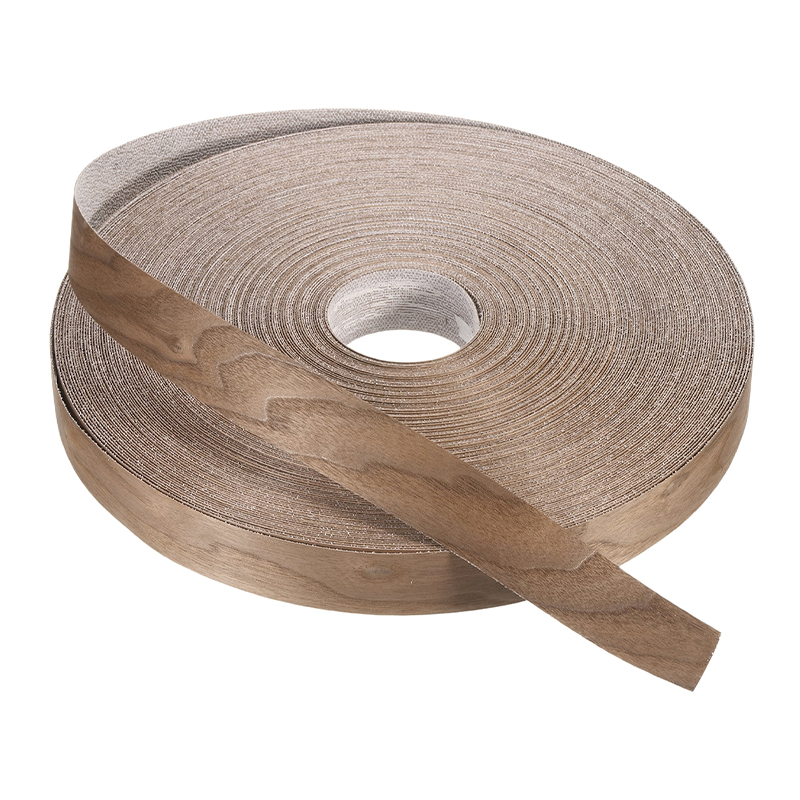
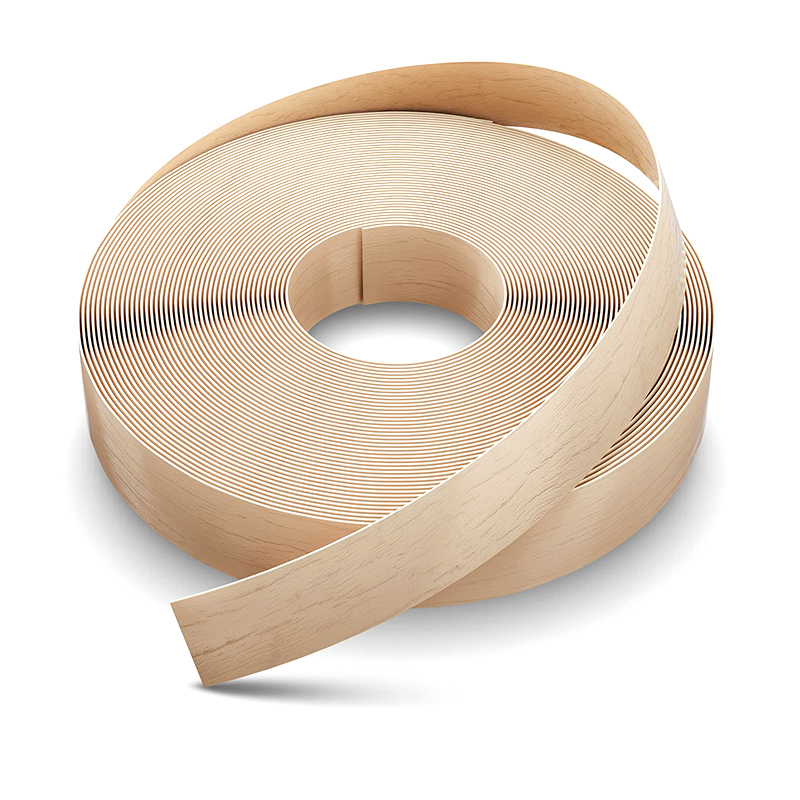



Natural Wood Edges from a Dedicated Edge Banding Producer
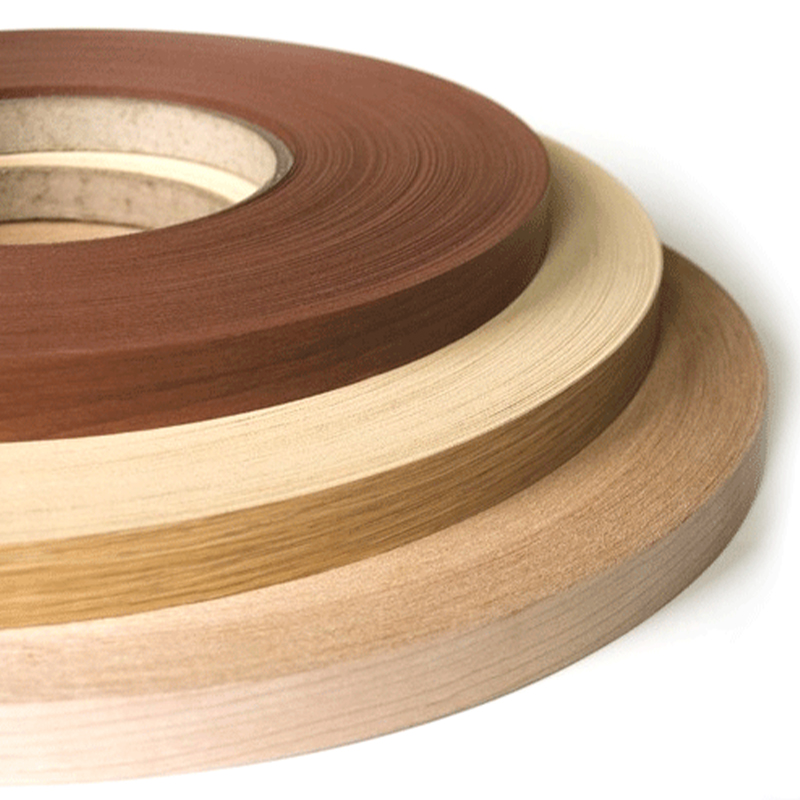
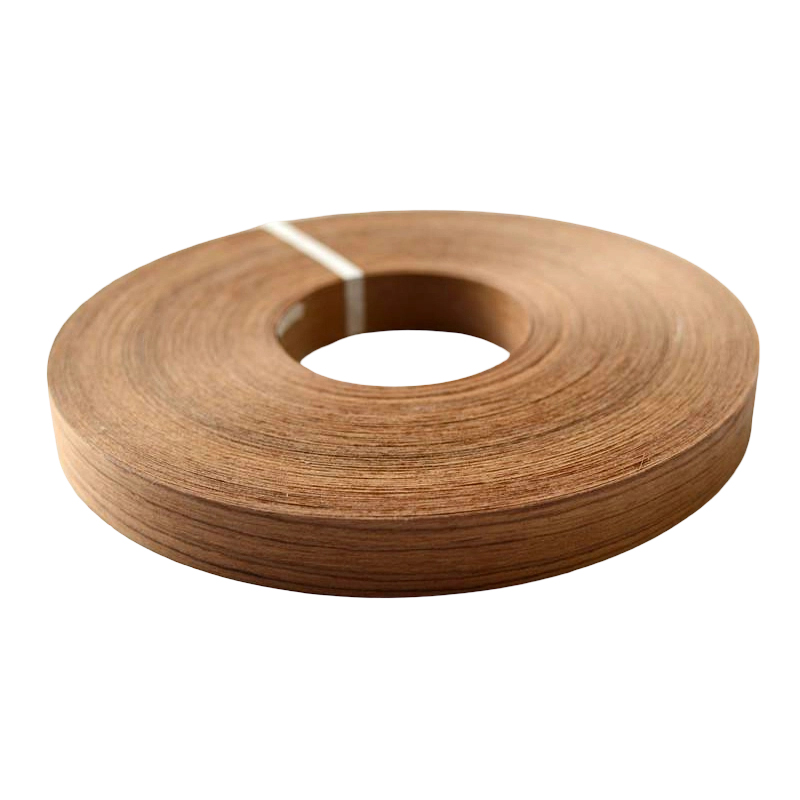
Suntung is a Veneer Edge Banding manufacturer supplying furniture factories, joinery works, panel processors and distributors with natural wood edging in pre-glued and non-glued formats. The range covers Oak, Walnut, Maple, Ash, Cherry, Birch and project-specific species, prepared so that the edge can be sanded, stained and lacquered in the same operation as the panel face.
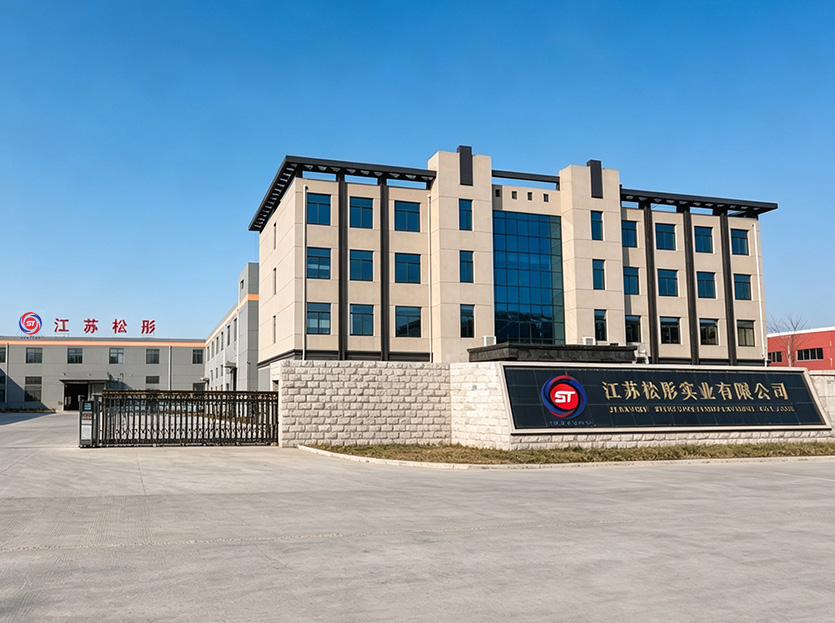
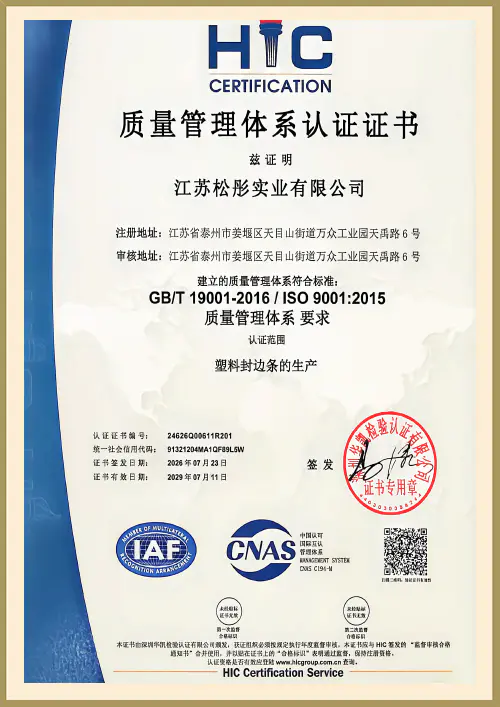
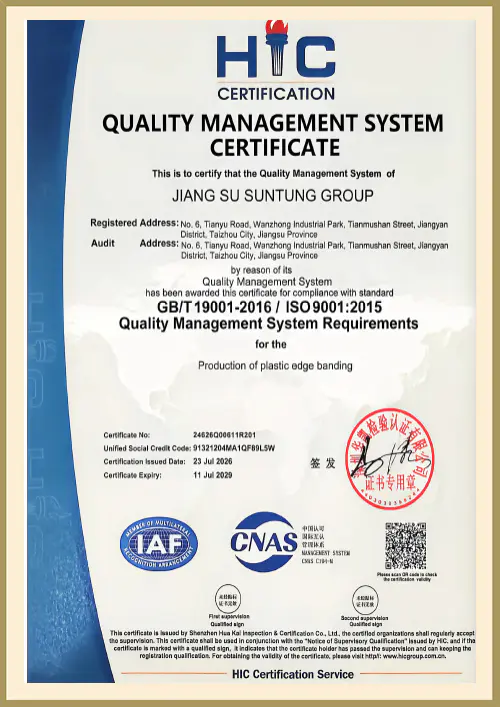
Production runs from our 21,500 m² base in Taizhou, Jiangsu, where 23 automatic lines achieve a monthly capacity of 25 million meters under an ISO9001:2015 quality system. Veneer edges are rarely a single-species, single-width order, so capacity and stock depth across several species are what keep a mixed container on schedule.
Two Supply Formats: Pre-glued and Non-glued
Adhesive placement is the first decision that shapes a veneer edge order. It determines which machine the roll runs on, who carries responsibility for bond quality, and how much handling the edge tolerates before finishing.
- Pre-glued Veneer Edge Banding carries a factory-applied hot melt layer that is activated by the hot-air or infrared unit of an edge bander. It suits cabinet repair, shelving, site joinery and plants without a glue pot, and keeps short runs free of reservoir cleaning and adhesive cooking.
- Non-glued Veneer Edge Banding is supplied bare for lines running EVA hot melt, PUR or contact adhesive. The bond line is chosen against the substrate, the climate at the destination and the finishing schedule, which gives higher-end work control over joint durability and glue-line visibility.
Both formats are produced from the same selected veneer stock, so a project can run pre-glued rolls for a repair kit and non-glued rolls for the main line without a colour or grain mismatch between them.
Range Matching at a Glance
| Edge option | Construction | After application | Where it fits |
|---|---|---|---|
| Pre-glued natural veneer | Real wood veneer with factory hot melt layer | Sanded, stained, lacquered with the panel | Cabinet repair, shelving, small and mid-size shops, site work |
| Non-glued natural veneer | Real wood veneer, no adhesive layer | Sanded, stained, lacquered with the panel | Automatic lines with EVA, PUR or contact adhesive |
| PVC Edge Banding | Extruded polymer, printed or solid colour | No sanding or staining required | High-volume panel furniture, wet areas, heavy wear |
| Melamine edge banding | Paper-based decorative strip | Sealed only; no grain build-up | Cost-driven flat-pack and shelving programmes |
Application Fit: Where a Wood Edge Changes the Specification
Natural veneer is specified when the edge has to behave like timber after finishing rather than imitate it. Luxury residential furniture, executive office furniture, hotel interiors, premium cabinetry, wooden doors, wall panels and architectural millwork are the core applications, alongside bespoke pieces where the panel face and the edge are finished in one pass.
Repair and retrofit work is the second strong fit. A pre-glued roll applied with an iron or a hot-air unit lets a cabinet maker reinstate an edge on a damaged door front without masking the joint, because the patch takes stain and lacquer exactly as the surrounding veneer does.
- Choose veneer where the finish schedule includes sanding, staining and lacquering, and where the visual grain must continue across the panel face.
- Non-glued veneer is the practical answer for high-value doors and millwork, where a PUR bond line and a controlled finishing shop are both available.
- Where the priority is throughput, moisture resistance or a uniform colour across thousands of panels, extruded PVC or melamine edges carry a lower process cost per metre.
Species, Figure and Dimensional Control
Species and figure
Oak, Walnut, Maple, Ash, Cherry and Birch are the standing selection, with other species developed on request from a panel sample or veneer swatch. Slicing method and log selection drive how the edge reads against the panel face, so we match grain direction, figure scale and colour tone to the approved master rather than to a catalogue code.
Thickness and width
Veneer thickness is set by the sanding allowance the finishing schedule consumes: a heavier finish build needs more material left on the edge for flattening, while a thin sealer coat calls for a lighter caliper to avoid a visible step at the joint. Width is quoted against the panel thickness plus a trimming allowance, and roll length is set to the run length of the line so that joints fall where the operator expects them.
- Panel thickness and edge profile, including any radius or postforming detail
- Veneer caliper and the sanding allowance it leaves after bonding
- Grain direction and figure scale relative to the panel face
- Colour tone against the approved master sample under the destination's lighting
- Roll length, core size and splice policy for the specific edge bander
Bonding Route and Line Integration
Pre-glued rolls need the activation unit to reach the adhesive layer without scorching the veneer face, and pressure-roller dwell has to be long enough to wet out the panel edge. Feed rate, hot-air temperature and roller pressure are set together; changing one without the others is the usual cause of a springy, unsealed edge on the first metres of a run.
Non-glued veneer moves the same variables into the glue system. EVA suits general cabinetry, PUR is chosen where moisture or heat exposure is a concern, and contact adhesive stays in the workshop for curved and hand-applied work. After bonding, the edge is trimmed flush or bevelled, sanded back to the panel plane, then stained and sealed in the same sequence as the face.
- Trial a short run and check the joint before committing the full roll to the line
- Trim with a sharp cutter and light pressure to avoid tearing the veneer at the joint line
- Sand along the grain and stop before the veneer caliper is consumed
- Match stain batch to the panel finish so the edge and face age together
Quality Assurance and Acceptance
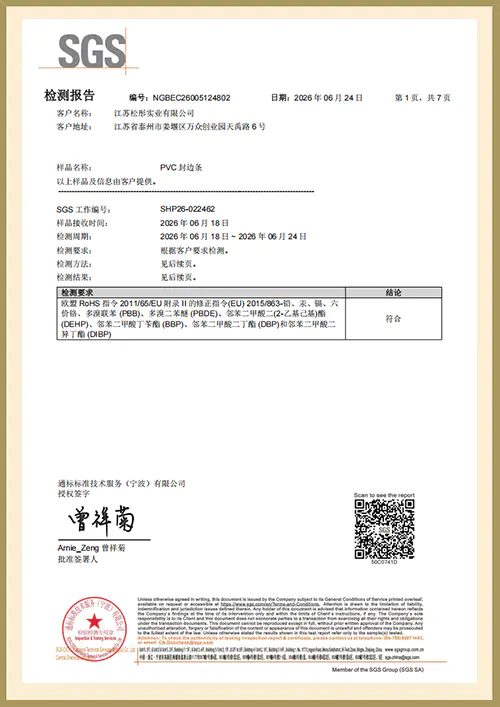
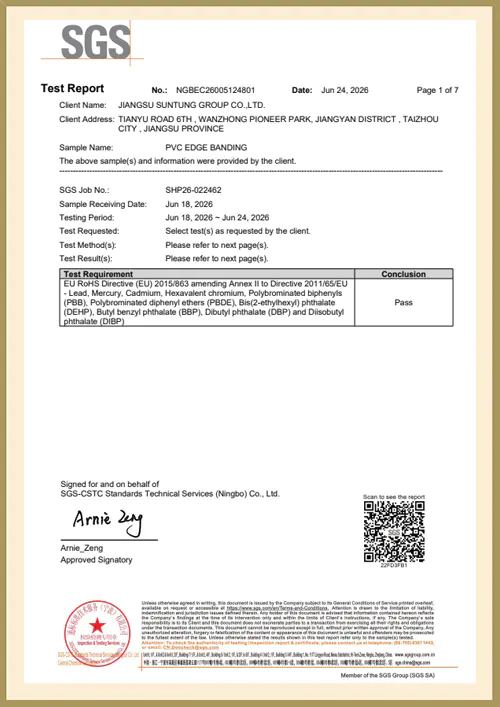
Every batch is checked against the approved master sample for colour tone, surface condition, caliper and width before packing, and batch records are retained so a later order can be traced back to the veneer lot. Our factory operates under ISO9001:2015, and RoHS material documentation plus SGS test reports are available with shipments where the project requires them.
- Incoming veneer inspection for colour, figure and defect level
- Caliper and width verification across the roll, not only at the ends
- Flexibility and handling checks so the strip follows curved and shaped edges without cracking
- Adhesion and processing trials on pre-glued formats before dispatch
- Final inspection covering appearance, labelling, packaging integrity and order compliance
Capacity, Packaging and Delivery Scope
The Taizhou plant runs 23 automatic lines with a monthly output of 25 million meters and can load up to 30 × 20GP containers per month, shipping through the Port of Shanghai. Veneer edges travel as wound rolls in moisture-barrier packing with species, caliper, width and batch marked on each unit, and mixed containers can combine veneer with PVC, ABS, 3D acrylic, melamine, profiles, hot melt adhesive and screw caps for a single cabinet programme.
Mainstream species and dimensions are stocked so repeat orders and trial quantities move without a full production cycle. Bespoke species, caliper and width moves to the R&D and engineering team, which develops the specification from drawings, samples and finishing requirements.
Information We Use to Configure Your Solution
A quotation for veneer edge banding is only useful once the species, caliper, width, adhesive route and volume are fixed together. These are the inputs we work from.
| Project input | What it determines |
|---|---|
| Panel face sample or veneer swatch | Species, figure scale, grain direction and colour tone of the edge |
| Panel thickness and edge profile | Strip width, trimming allowance and radius capability |
| Finishing schedule | Veneer caliper and sanding allowance left after bonding |
| Edge bander model and adhesive system | Pre-glued or non-glued format, hot melt type, core and roll length |
| Volume, run length and reorder pattern | Batch continuity, stock allocation and container planning |
| Destination climate, compliance and labelling needs | Adhesive selection, moisture-barrier packing and document set |
Frequently Asked Questions
What is the practical difference between pre-glued and non-glued veneer edge banding?
Pre-glued strips carry a hot melt layer that the edge bander or a hand iron activates, so no glue pot is needed and setup is fast. Non-glued strips are bonded with the plant's own EVA, PUR or contact adhesive, which gives control over joint durability and is the usual choice on automatic lines running high-value doors and millwork.
Which wood species can you supply?
Oak, Walnut, Maple, Ash, Cherry and Birch are standard, and other species are developed from a panel sample or veneer swatch. Where a panel programme uses a specific decorative veneer, we match grain figure and colour tone to the approved master rather than to a general colour code.
Can the edge be sanded and lacquered after application?
Yes. Natural veneer edges are designed to be sanded, stained, varnished or painted together with the furniture surface, which is what produces a continuous grain appearance across the panel and its edge. The veneer caliper is set so that material remains for flattening after the bond is made.
How is the right thickness and width confirmed?
Both are fixed against your panel and finishing schedule: thickness follows the sanding allowance, width follows panel thickness plus trimming allowance, and roll length follows the run length of the line. Sending a panel offcut and the line details is enough for us to propose the specification.
What quality and compliance evidence is available?
The factory is certified to ISO9001:2015, and RoHS material documentation and SGS test reports are supplied with shipments where the project calls for them. Batch records link each roll to its veneer lot, so a repeat order can be checked against the original approved sample.
Do you supply trial quantities and matched panel programmes?
Yes. Trial rolls of standard species and dimensions are released ahead of volume orders, and the same material can be combined in one container with PVC, ABS, 3D acrylic, melamine, profiles, hot melt adhesive and screw caps so a full cabinet programme ships together.


