

 eng
 English
 Español
 русский
 عربى
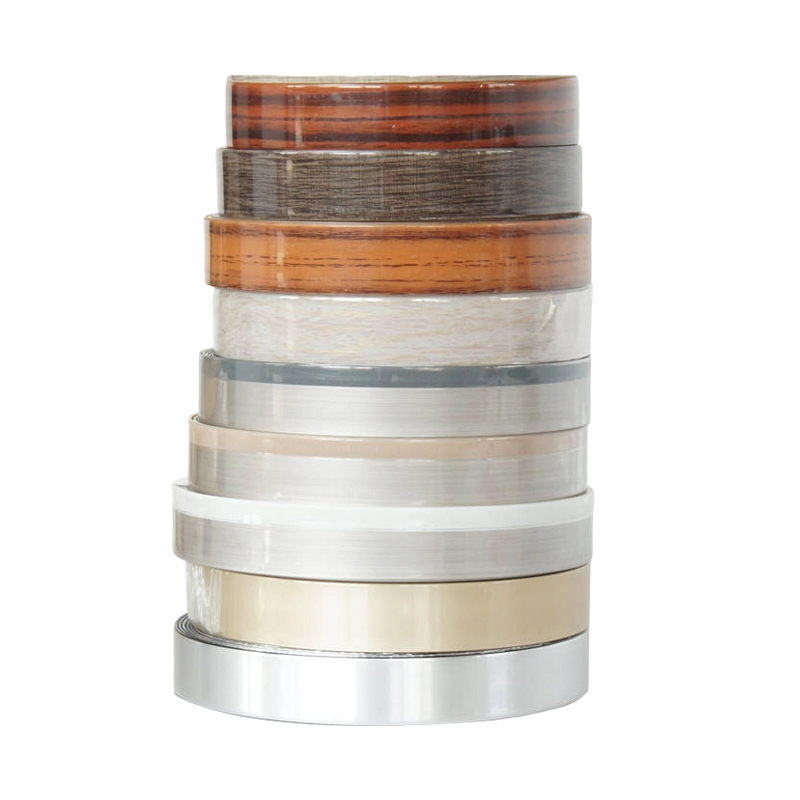
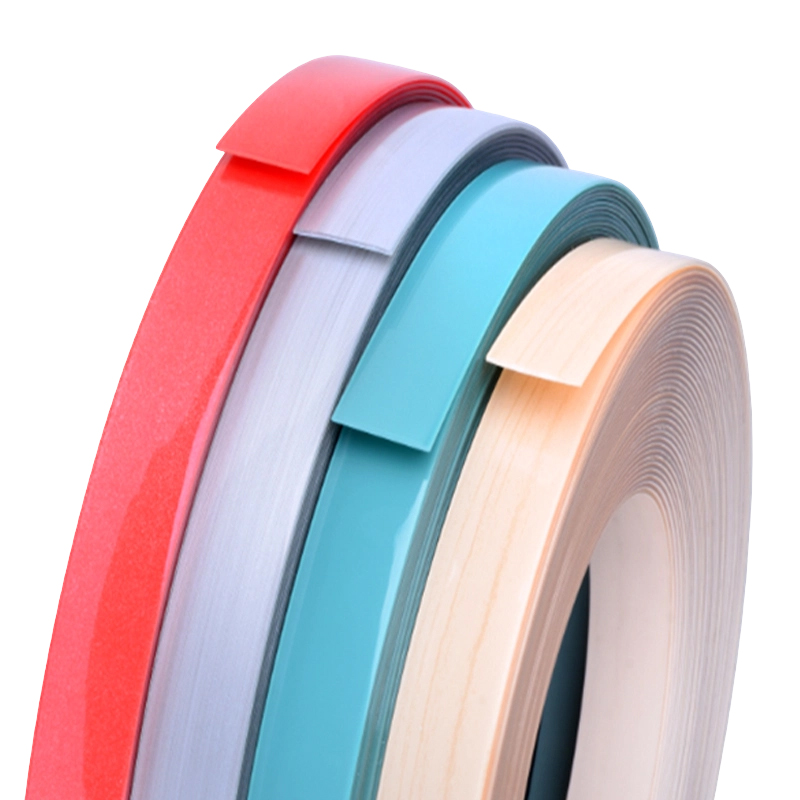
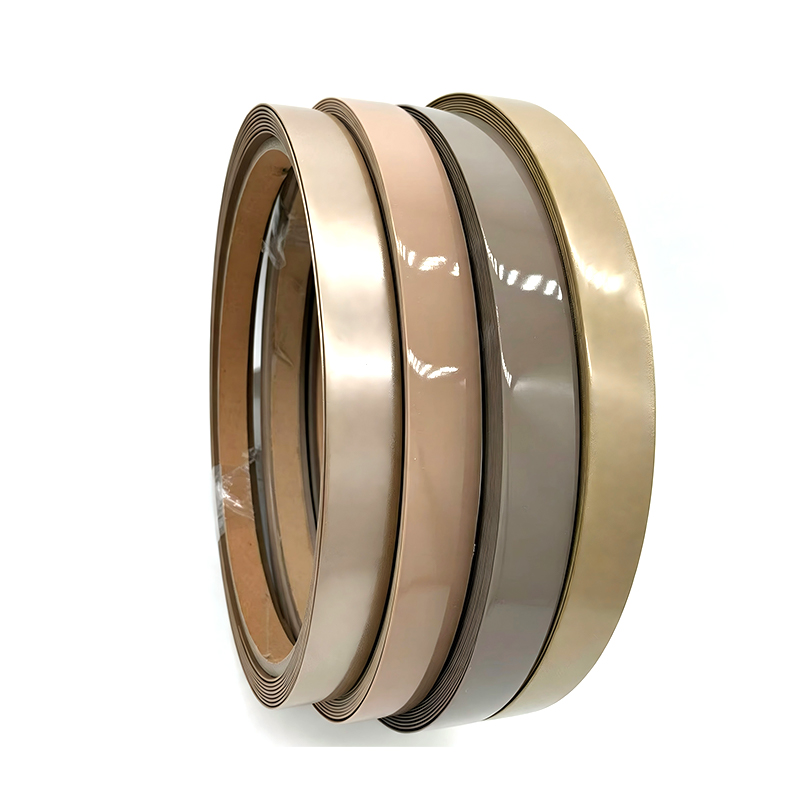
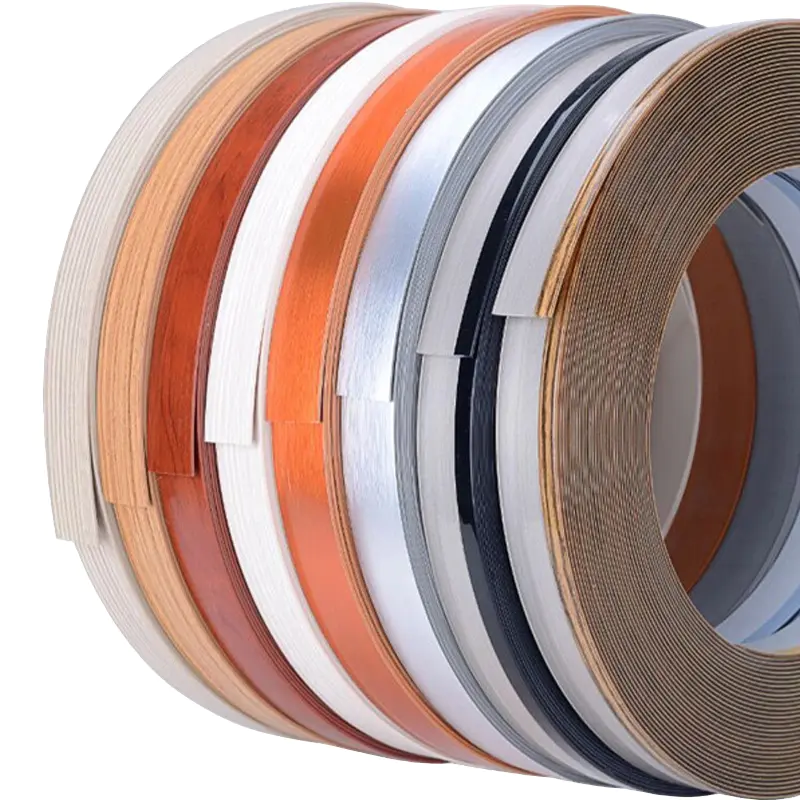
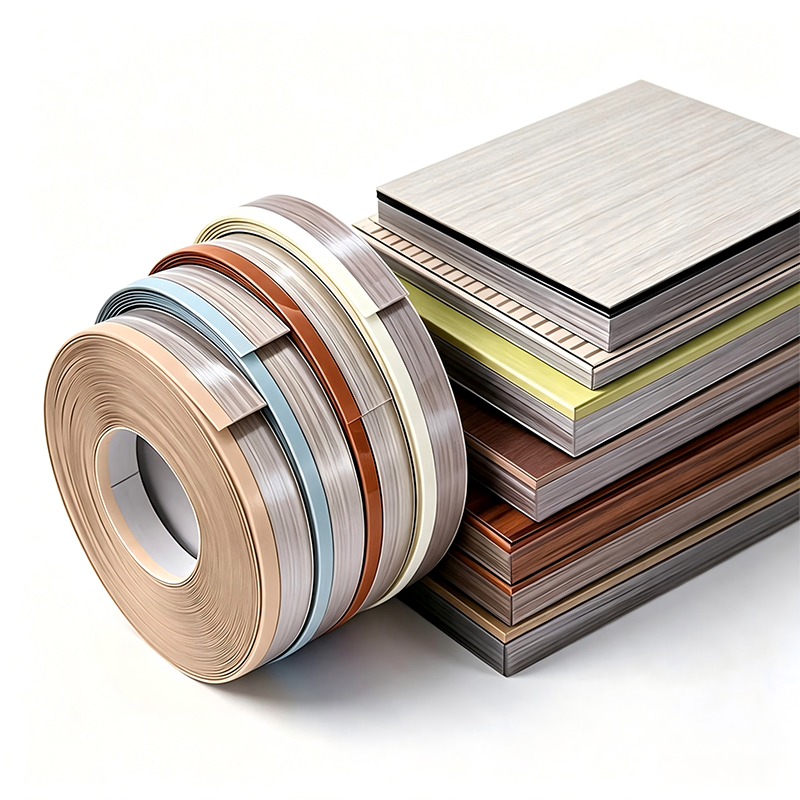
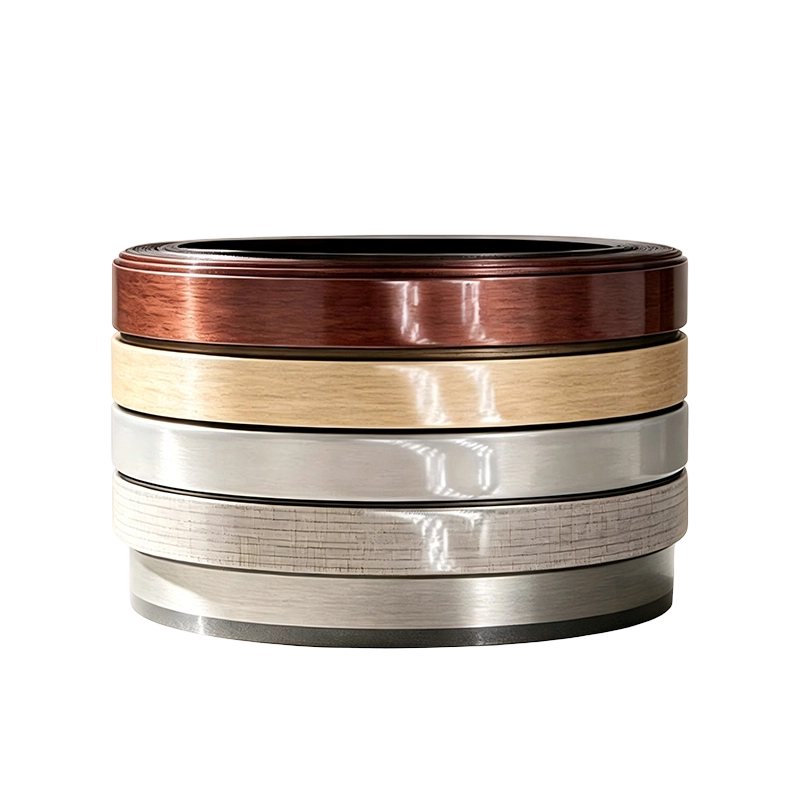
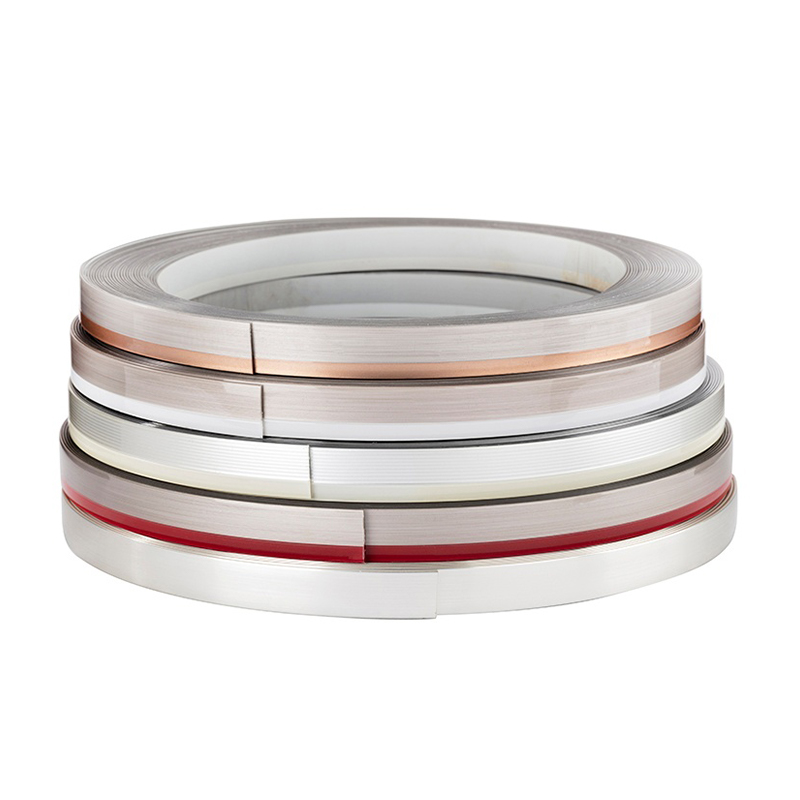
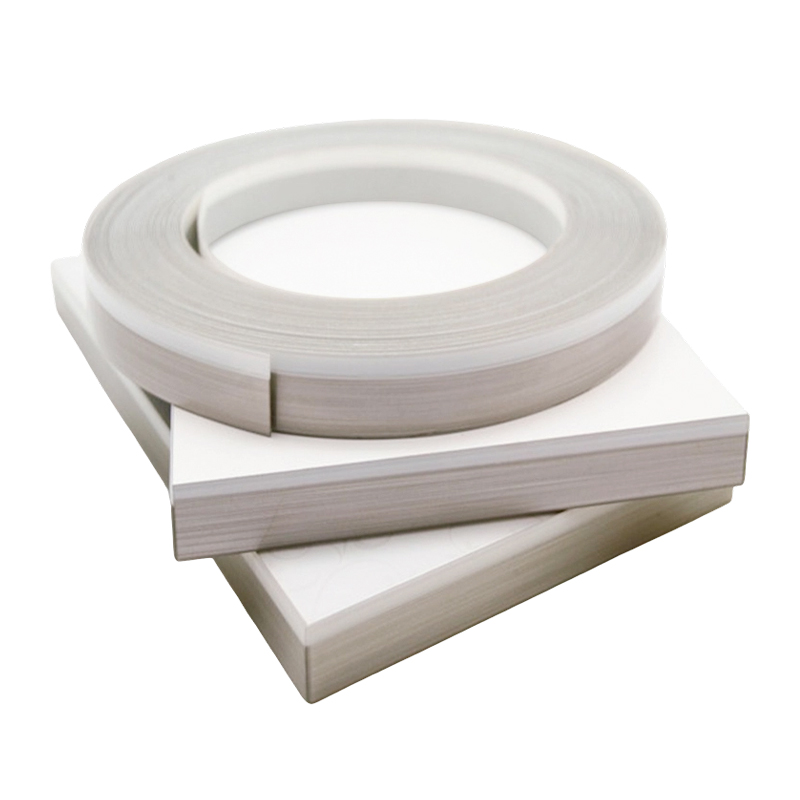
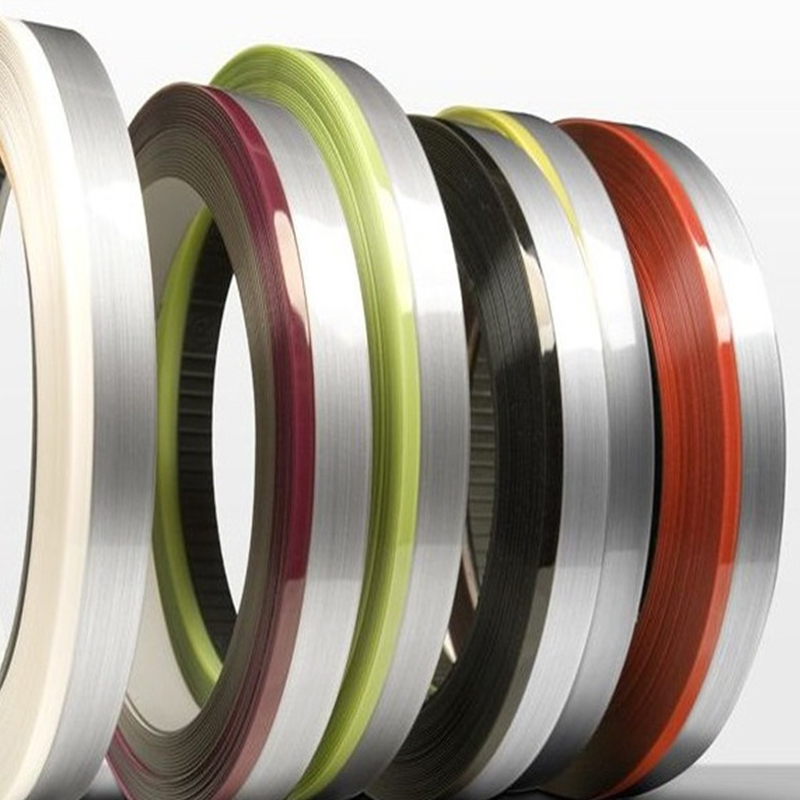
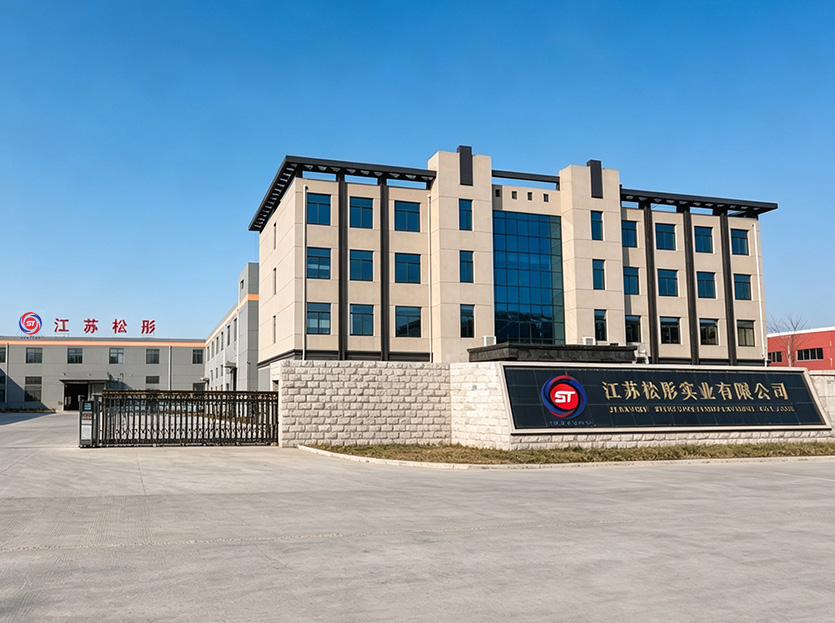




Suntung is a 3D Acrylic Edge Banding manufacturer for furniture programmes where the edge has to carry the same visual weight as the panel face. A transparent PMMA acrylic layer is co-extruded over a printed decorative layer and a durable polymer base, so solid colors, wood grain and bicolor graphics read through the surface with genuine optical depth instead of sitting flat on the band. The range is produced at our 21,500 m² base in Taizhou, Jiangsu, and configured against the panel, the adhesive system and the trimming setup on your line.
How the Three-Dimensional Effect Is Built
The depth comes from the acrylic face itself. Light enters the transparent PMMA layer, reaches the decorative layer beneath and returns through the surface, which magnifies grain detail and raises apparent color saturation. That optical behaviour is what separates a 3D acrylic band from a printed PVC or ABS band carrying the same decor reference.
The construction is engineered for the finishing line as much as for the showroom. A uniform primer layer is applied by automated glue application so the band seals consistently on hot-melt edge banding machines, and the formulation is tuned for dimensional stability, gloss retention and scratch resistance through the life of the cabinet.
- Optical depth: the decorative layer sits behind the acrylic surface, so patterns appear suspended rather than printed on top.
- Gloss retention and UV resistance: the acrylic face holds its sheen where thin printed films can dull.
- Trimming behaviour: stable formulations resist edge whitening after the cut, keeping the joint clean.
- Flexibility: suitable for radiused and shaped panels, including curved cabinet doors and reception counters.
- Positioning: a premium decorative band for specified collections, not a commodity substitute for high-volume PVC work.
The Range: Three Decorative Families
Every family shares the same acrylic-over-decorative-layer construction and the same primer and processing logic, so a programme can mix finishes across a collection without changing line settings.
Unicolor 3D Acrylic Edge Banding
Single-color bands where the acrylic layer lifts saturation and gives a clean, glass-like edge. This is the family most often matched to acrylic panels, PET faces and high-gloss boards in minimalist kitchens, wardrobes, bathroom furniture and office casework. See the Unicolor 3D Acrylic Edge Banding range for white, crystal-effect and custom-matched solid colors.
Wooden Color 3D Acrylic Edge Banding
Realistic wood decors viewed through the transparent face, so grain structure and tonal variation gain a layered, natural appearance. Grain direction, embossing depth and gloss level are aligned with the panel print for luxury wardrobes, executive office furniture, hotel casework and premium kitchens. The Wooden Color 3D Acrylic Edge Banding pages show the wood texture and 3D surface treatments we produce.
Bicolor Color 3D Acrylic Edge Banding
Two complementary colors printed beneath the acrylic face create a contrast line that shifts with viewing angle, which is difficult to achieve with conventional banding. It suits designer furniture, retail display systems, feature cabinets and OEM collections that need a differentiated edge. Review the Bicolor Color 3D Acrylic Edge Banding options for dual-color and custom contrast designs.
| Family | Surface effect | Matching basis | Typical application | Order variables |
|---|---|---|---|---|
| Unicolor | Deep single color with glass-like clarity | Solid tone and gloss level matched to acrylic, PET or high-gloss panels | Kitchens, wardrobes, bathroom and office furniture | Color, gloss, width, thickness, roll length |
| Wooden Color | Magnified grain with layered depth | Decor matched to the panel print, grain direction and texture aligned | Luxury wardrobes, executive office, hotel casework | Decor reference, grain direction, embossing, gloss |
| Bicolor | Two-tone contrast under a clear face | Both colors specified separately, transition line positioned | Designer furniture, retail display, feature cabinets | Color pair, transition geometry, width, thickness |
Matching the Edge to the Panel Face
Color consistency above 95% against an approved master sample is our working standard on this family, verified in a dedicated color inspection room before and during production. Tone, texture and gloss level are checked together, because a correct hue under the wrong sheen still reads as a mismatch on a finished door.
Gloss coordination runs from super-matte through satin, gloss and high gloss, so a 3D acrylic edge can sit beside a matte PET face or a mirror-level acrylic door within the same kitchen. We also match against established panel decor systems, which keeps edge and face visually continuous when panel supply changes between batches.
Line Integration and Processing
3D acrylic runs on standard hot-melt edge banding equipment, and the variables that decide success are the ones we control in production: primer uniformity, thickness consistency across the roll and a formulation that trims without whitening. Adhesive type, feed rate, pressure and trim head setup remain line-side parameters, and we test against them before a batch ships.
For shaped and radiused work, we set flexibility to the tightest radius in the programme rather than to a general-purpose value. Tell us the minimum radius and the panel build and the band is specified accordingly.
| Configuration item | What we set | Project data we need |
|---|---|---|
| Band width | Panel thickness plus trimming allowance | Nominal panel thickness, trim head setup |
| Band thickness | Handling and impact exposure at the edge | Vertical or horizontal application, transport conditions |
| Gloss level | Sheen matched to the panel face | Panel sample or gloss reading |
| Color and decor | Master-sample matching to 95% or better | Approved sample, panel decor code |
| Primer and adhesion | Primer weight and uniformity for hot-melt bonding | Adhesive type, machine model, line speed |
| Flexibility | Formulation set to the tightest radius in the programme | Minimum radius, curved component drawings |
| Packing | Roll length, winding direction, labelling, pallet pattern | Unwinding direction, container plan, label artwork |
Capacity, Repeatability and Delivery
Our Taizhou plant runs 23 automatic lines and reaches 25 million meters per month, with capacity equivalent to roughly 30 × 20GP containers monthly across the edge banding portfolio. That scale matters on 3D acrylic specifically: a decorative family is only useful if the second and third production runs match the first, and volume plus in-house mixing keeps formulas and printed layers stable between campaigns.
The company has manufactured edge banding since 2005 and exports to more than 90 countries through the Port of Shanghai, with an on-time delivery rate above 95%. Mainstream colors and specifications are held in stock so repeat orders can be scheduled without a full production cycle.
Quality Assurance and Acceptance Evidence
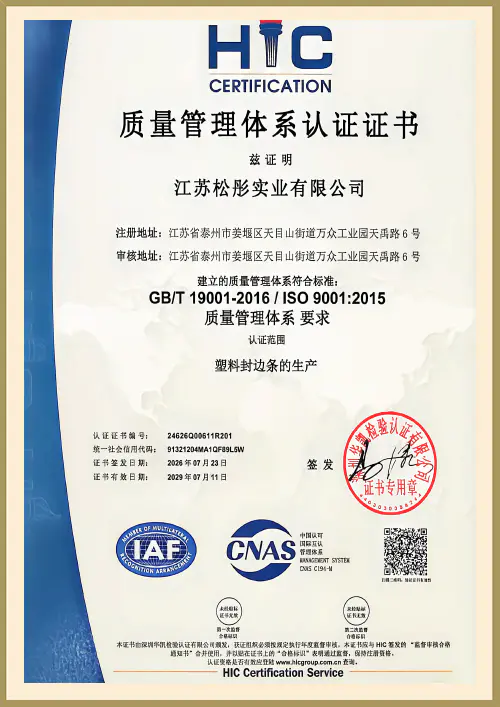
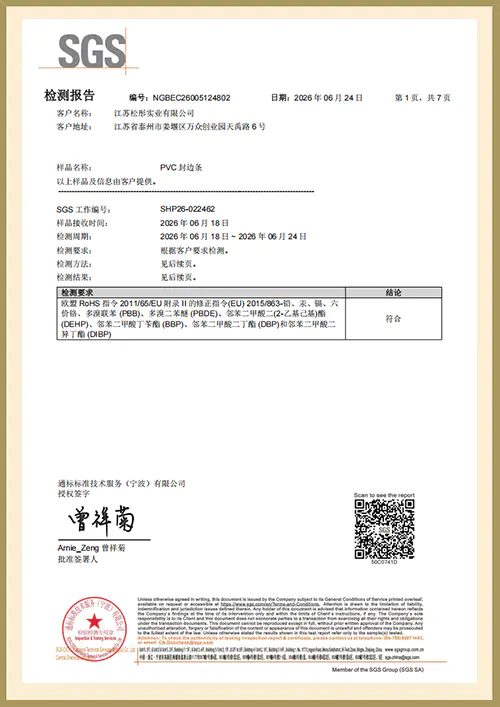
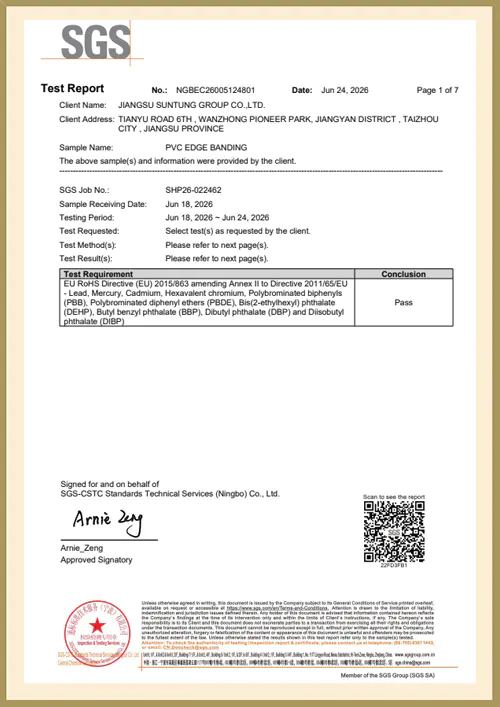
The plant is certified to ISO9001:2015 and produces to EU RoHS requirements, with SGS test reports and compliance documents issued on request for project files. Quality control runs as seven gated stages rather than a single final check.
- Incoming raw material inspection for color accuracy, flexibility, surface finish and machinability.
- Color matching against the approved master sample, checked on tone, texture and gloss.
- Primer and adhesion control with machine testing that simulates production bonding.
- Surface effect control on embossing clarity, depth uniformity and flatness.
- Print durability and UV adhesion testing for scratch and wear resistance.
- Bending and trimming tests to confirm no cracking and no edge whitening.
- Pre-shipment inspection of appearance, dimensions, labelling, packaging and order compliance.
Custom and OEM Development
Our R&D and engineering team develops 3D acrylic bands from drawings and physical samples, covering color, texture, width, thickness, surface effect and flexibility. Bicolor transition geometry and custom wood decors are handled at the printing and co-extrusion stages, which allows a decor to be developed specifically for one collection rather than selected from a catalogue.
Development samples are produced against the panel you will actually run, so the approved reference already accounts for the face gloss and substrate tone in the finished cabinet.
Information We Use to Configure Your Solution
A configuration and quotation for 3D acrylic edge banding is prepared from a short, specific set of inputs. The more of these that arrive with the enquiry, the fewer sample rounds are needed.
- Panel type, thickness and face decor, with a sample or decor code where available.
- Required band width and thickness, and the trimming allowance your line runs.
- Target gloss level and any matte or high-gloss face to be matched.
- Edge banding machine model, adhesive type and line speed.
- Minimum radius or shaped components in the programme.
- Application segment and transport conditions that affect thickness choice.
- Roll length, label artwork and packing preferences.
- Volume by color, delivery sequence and destination port.
Packaging, Documentation and Delivery Scope
Finished rolls are wound, sorted, sealed and labelled to the agreed packing specification, with export cartons and pallet patterns set per destination. Documentation follows the shipment: packing list, compliance documents and test reports where the project requires them, and full order traceability from mixing batch through to the shipping mark.
Because the same plants produce PVC, pre-glued and ABS edge banding as well as profiles, adhesive and screw caps, 3D acrylic can be consolidated into a mixed container with the rest of a cabinetry programme. That reduces the number of shipments a project has to coordinate and keeps the whole edge specification sourced to one supplier.
Frequently Asked Questions
What widths and thicknesses do you produce for 3D acrylic edge banding?
Width and thickness are set per order against your panel thickness and trimming allowance, with thickness selected for the handling and impact exposure of the finished component. Send the panel build and trim setup and we confirm the matching band specification in the quotation.
Can you match an acrylic, PET or high-gloss panel decor?
Yes. We match color and gloss level to the panel reference and work to a color similarity of 95% or better against the approved master sample. A physical panel sample or decor code lets us confirm the match before production.
Will this band run on our existing edge banding machine?
3D acrylic is processed on standard hot-melt edge banding equipment. The uniform primer layer is what allows consistent sealing, and we run machine tests that simulate production bonding before dispatch so adhesion and trimming performance are verified, not assumed.
Does the acrylic surface yellow or lose gloss over time?
The PMMA face is specified for UV resistance and gloss retention, and the print beneath is protected by that layer rather than exposed. Wear resistance and UV adhesion are verified during production testing rather than left to field performance.
Can you develop a bicolor or exclusive wood decor for our brand?
We develop custom decors from drawings and samples, including two-color designs where both tones and the transition line are specified separately. OEM and ODM development is carried out by our in-house R&D and engineering team, with samples approved before a production run.
What documents accompany a shipment?
Shipments are supported by packing documentation, ISO9001:2015 certification and RoHS compliance evidence, with SGS test reports available where a project file requires third-party verification.


