
 eng
 English
 Español
 русский
 عربى

ABS Edge Banding Guide: How to Choose and Apply It Right
Content
- 1 What Is ABS Edge Banding and Why Do Furniture Makers Use It?
- 2 ABS Edge Banding vs PVC vs Melamine vs Wood Veneer
- 3 How to Choose the Right Thickness and Width
- 4 How to Apply ABS Edge Banding Step by Step
- 5 Common ABS Edge Banding Problems and How to Fix Them
- 6 How to Store and Care for ABS Edge Banding
- 7 Tips for Buying ABS Edge Banding from a Supplier
- 8 Final Thoughts on Choosing ABS Edge Banding
If you build or buy panel furniture, you have almost certainly seen ABS edge banding, even if you didn't know its name. It is the thin plastic strip glued to the raw sides of particleboard, MDF, or plywood so the panel looks finished and the core is protected from moisture and knocks. This guide covers what ABS edge tape is, how it compares with other materials, how to choose the right size, and how to apply it so it stays put.
What Is ABS Edge Banding and Why Do Furniture Makers Use It?
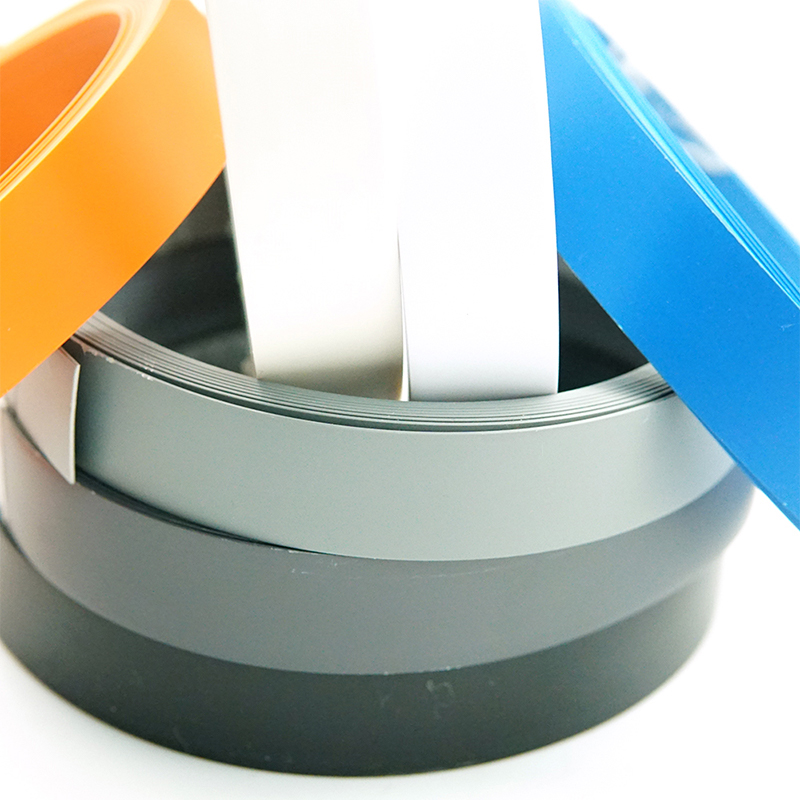
ABS edge banding is a strip made from acrylonitrile butadiene styrene, a tough thermoplastic also used in car interiors and LEGO bricks. In furniture, ABS plastic edge banding covers the exposed edge of a panel. It hides the rough core, stops moisture from soaking into the board, and gives a clean edge that matches or contrasts with the surface.
The main reason many factories prefer ABS edgebanding is that it contains no chlorine. When it is made, burned, or recycled, it does not release the chlorinated compounds that PVC can. That makes it popular for kids' furniture, kitchens, offices, and any project aimed at markets with strict environmental rules. It is also impact resistant, so edges are less likely to chip when a chair bumps a desk or a drawer slams shut.
ABS Edge Banding vs PVC vs Melamine vs Wood Veneer
Before ordering, it helps to see how ABS edge tape compares with the other common options. The table below summarizes the practical differences.
| Material | Impact Resistance | Chlorine Free | Flexibility | Typical Use |
| ABS | High | Yes | Good | Kitchens, offices, children's furniture |
| PVC | High | No | Very good | Budget furniture, curved edges |
| Melamine | Low | Yes | Low | Shelving, low-cost straight edges |
| Wood veneer | Medium | Yes | Medium | Premium wood-look furniture |
In short, ABS edge banding sits in the middle on price, performs well in daily use, and is the safer choice when environmental compliance matters. PVC is a little softer and often cheaper, while melamine is the weakest against impact and moisture.
How to Choose the Right Thickness and Width
Match the thickness to where the edge is used
ABS edge band comes in a range of thicknesses, and the right one depends on how much abuse the edge will take. As a rough guide:
- 0.4 mm to 0.5 mm: for hidden or low-contact edges such as the inside of cabinets and wardrobe shelves.
- 1 mm: the standard choice for visible edges on cabinet doors, bookcases, and bedroom furniture.
- 2 mm: for desk tops, countertop fronts, and tables that get leaned on, bumped, and wiped daily.
- 3 mm: for heavy-duty or design-led pieces where a thick, rounded edge is part of the look, such as reception desks and retail counters.
Choose a width slightly larger than the panel
The strip should be about 2 mm to 3 mm wider than the panel thickness so there is material left to trim flush. A standard 18 mm panel is usually paired with 22 mm wide tape, and a 25 mm panel with 28 mm or 29 mm tape. Buying tape that is exactly as wide as the panel leaves no margin for error, and any small misalignment will show as a ridge or a gap.
Match color, texture, and gloss
Ask your supplier for a sample and compare it against the actual panel in daylight, because colors that match under shop lights can drift apart near a window. Wood grain, stone, high gloss, matte, and solid colors are all available. For a seamless look, choose tape with the same embossing pattern as the panel surface.
How to Apply ABS Edge Banding Step by Step
Most workshops apply ABS edge tape with an automatic edge bander, which melts glue, presses the strip on, and trims it in one pass. The same principles also apply to small shops using hand-fed or portable machines.
Prepare the panel edge
The edge must be clean, dry, and free of dust, oil, and chips. A rough saw cut or a chipped corner will leave a weak bond and visible gaps under the tape. If the panel was cut with a dull blade, run it through a trimming or pre-milling unit first so the surface is smooth and square.
Set the glue temperature and feed speed
Hot melt glue is the adhesive that actually holds the tape on. EVA glue is the most common and works well for general furniture, with pot temperatures typically around 180°C to 200°C. PUR glue costs more but gives a stronger, more water-resistant bond, which is why it is often used for kitchens and bathrooms. Feed speeds of roughly 12 to 18 meters per minute are common for standard machines, but always follow the glue manufacturer's data sheet. Cold glue or a cold workshop is one of the most common causes of poor adhesion.
Press, trim, and finish
- Apply an even layer of glue to the panel edge or the back of the tape.
- Press the strip firmly with the pressure rollers so the glue spreads and bonds across the whole edge.
- Trim the overhanging ends with the end-trimming saws.
- Use the top and bottom trimming cutters to flush the edges, with a slight radius if desired.
- Scrape off glue marks and buff the edge so it looks smooth and clean.
Common ABS Edge Banding Problems and How to Fix Them
Even good ABS furniture edge banding can fail if something is off in the process. This table lists the most frequent issues, their usual causes, and the quick fix.
| Problem | Likely Cause | Fix |
| Tape peels off | Glue too cold, dusty edge, low pressure | Raise glue temperature, clean the edge, adjust rollers |
| Visible glue line | Too much glue or poor edge quality | Reduce glue amount, improve pre-milling, use color-matched glue |
| White stress marks on corners | Tape bent too sharply or kept too cold | Warm the tape slightly, use a larger corner radius |
| Gaps at the ends | Dull end-trimming saw or poor alignment | Sharpen or replace blades, recheck the setup |
| Rough or torn edge after trimming | Dull trimming cutters | Replace the cutters and check the feed speed |
How to Store and Care for ABS Edge Banding
Good results start before the tape reaches the machine. Store rolls in a dry, room-temperature area away from direct sunlight and heaters, and keep them in their original packaging until use. Heat can warp the strip, and a very cold roll becomes stiff and more likely to crack on corners. If the tape has been in a cold warehouse, let it sit in the workshop for several hours first.
Once the furniture is finished, caring for an ABS edge is simple. Wipe it with a soft damp cloth and mild detergent, and avoid harsh solvents, abrasive pads, or direct contact with very hot items such as pans fresh from the stove. ABS handles everyday heat well, but it will soften if exposed to high temperatures for long periods.
Tips for Buying ABS Edge Banding from a Supplier
Quality varies between manufacturers, so a few checks can save you money and rework. Keep these points in mind when comparing suppliers:
- Ask for free samples and test them on your own machine and glue before placing a bulk order.
- Check that the thickness and width tolerance is consistent along the whole roll.
- Confirm the back of the tape has a primer coating that suits your glue type, especially if you use PUR.
- Request color-matching service if you are working with custom panel decors.
- Ask about environmental certifications and test reports if you export to regulated markets.
Final Thoughts on Choosing ABS Edge Banding
ABS edge banding offers a strong balance of durability, appearance, and environmental friendliness, which is why it has become a go-to option for modern panel furniture. Pick the right thickness for the job, match the color and texture carefully, keep your glue and machine settings dialed in, and store the rolls properly. Do that, and your edges will look clean and hold up for years of daily use.
Recommend Products
-
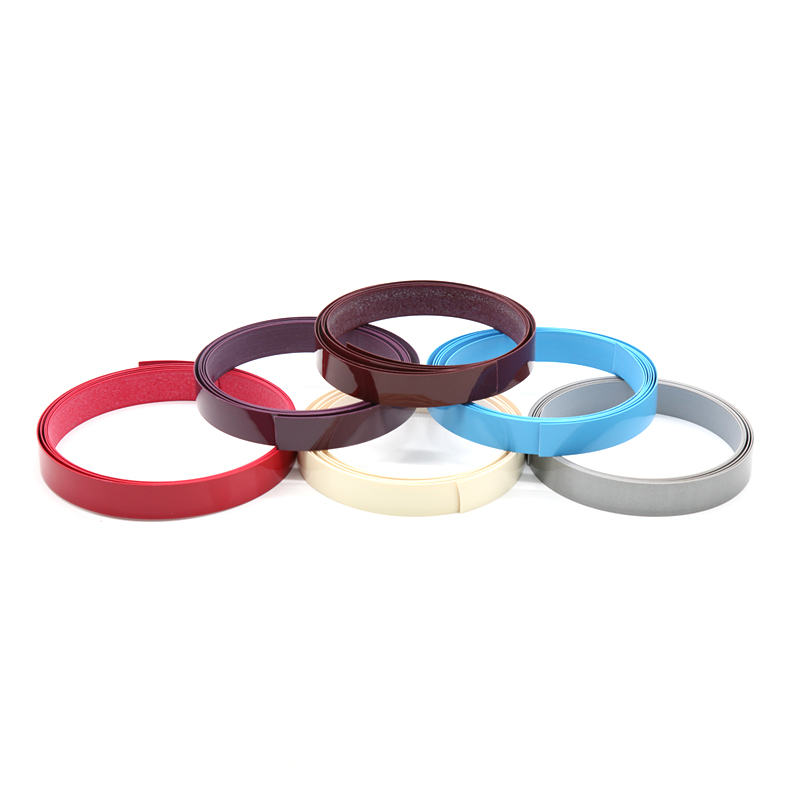
Custom High Glossy ABS Edge Banding for Modern Furniture Design
-
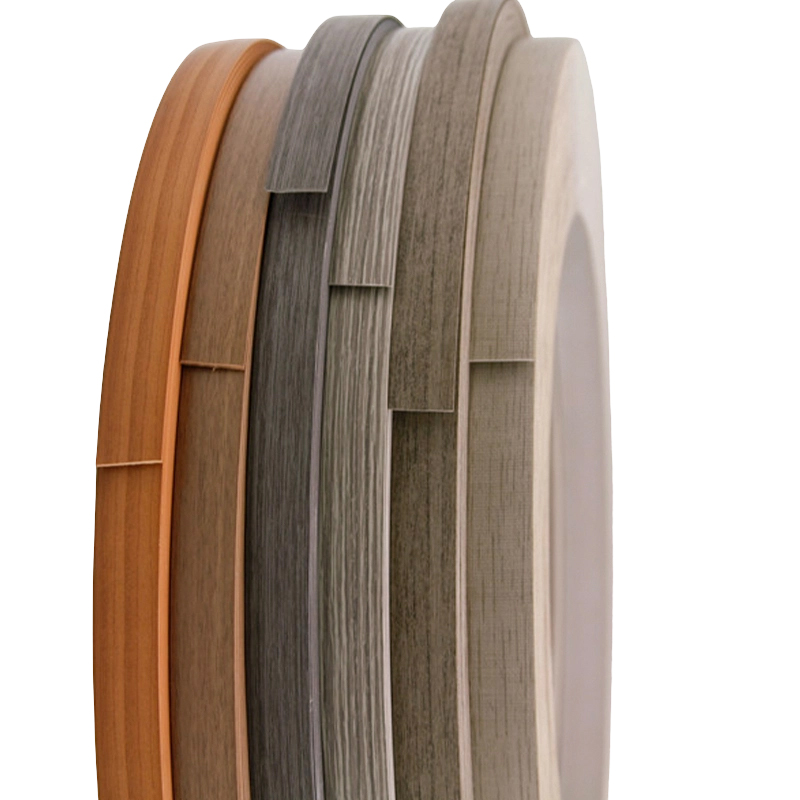
Custom Wood Grain ABS Edge Banding for OEM Furniture Brands
-
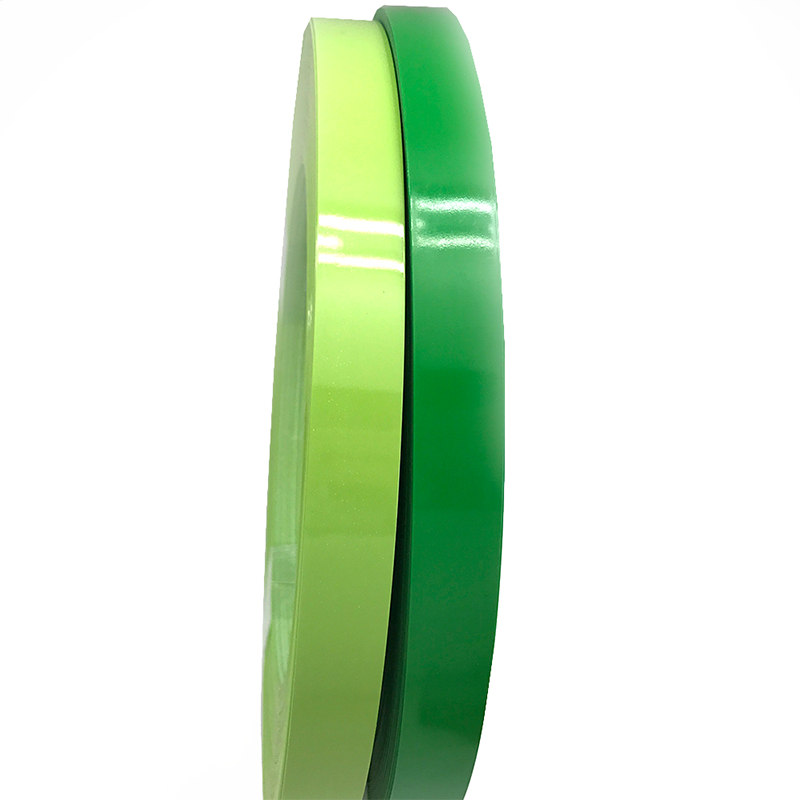
Custom High Gloss PVC Edge Banding with OEM Surface Development
-
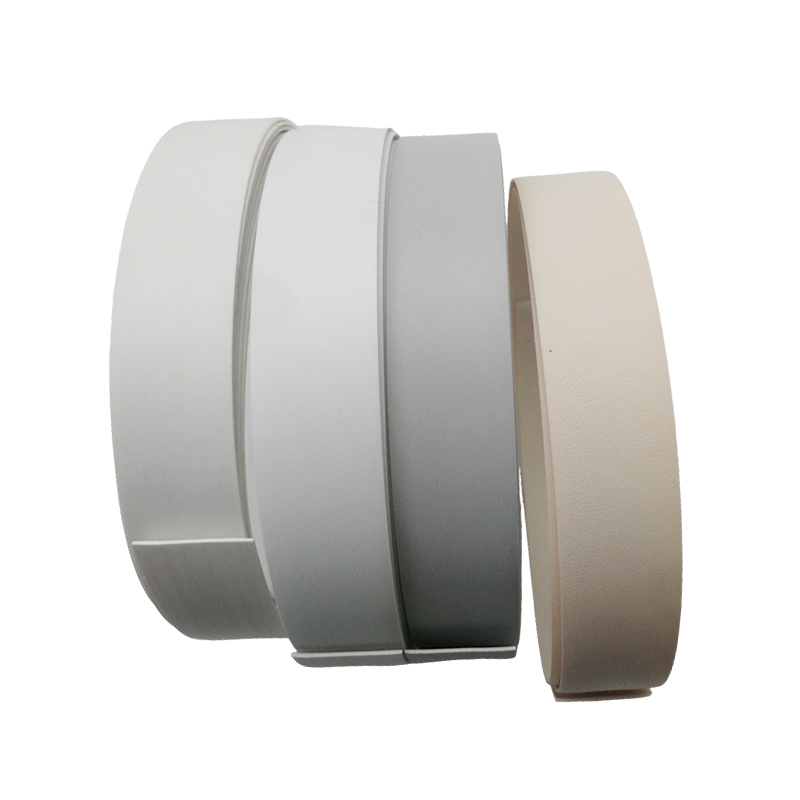
Solid Color ABS Edge Banding for Premium Furniture Panels
-
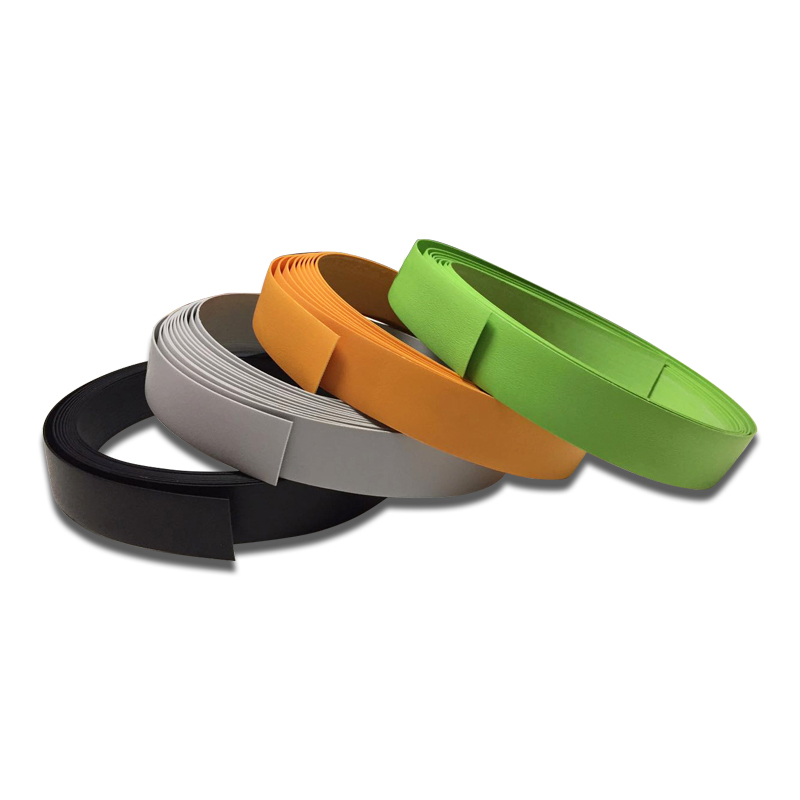
Ready-to-Use Solid Color PVC Edge Banding for Furniture Panels
-
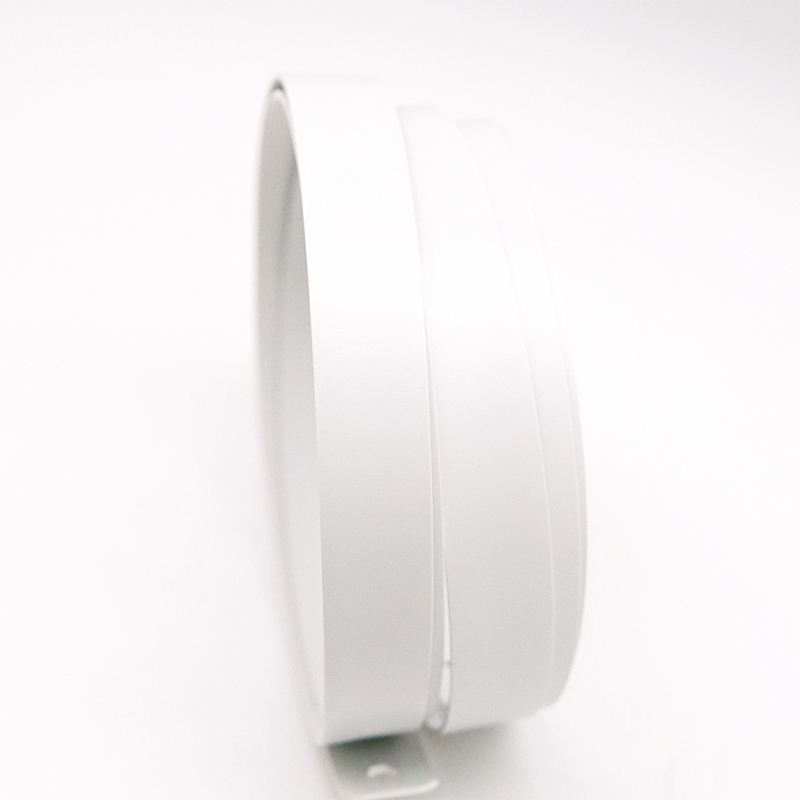
White Solid Color ABS Edge Banding for Modern Furniture
SUNTUNG
GROUP
Product List
Contact Info
-
 Tel.+86 150 0088 0641
-
 Whatsapp
-
 E-mailjoyce@suntunggroup.com
-
 Head Office AddressB-1218, Fengpu Av. 99th, Fengxian District, Shanghai, China
Get A Free Quote
Copyright © 2026 Shanghai Suntung Industry Co., Ltd. All Rights Reserved.
 Edge Banding Suppliers OEM/ODM Edge Banding Manufacturer